Navigating Electrical Maintenance: Safe Home Projects and When to Call the Experts
Maintaining a residential property requires a careful balance between routine upkeep and knowing exactly when to rely on specialized expertise. Homeowners across Texas often take pride in handling their own repairs to save money and learn new skills. However, electrical systems present unique hazards that separate them from basic plumbing or carpentry projects. The line between a simple weekend task and a dangerous safety violation is remarkably thin. Understanding which electrical fixes are safe to tackle and which require professional intervention is necessary for protecting your property and your family.
For residents in Mansfield, the varying ages of homes mean that electrical systems can range from brand-new smart configurations to older setups requiring substantial updates. AT ELECTRIC LLC provides the expertise needed to navigate these complexities. This guide outlines the boundaries of safe do-it-yourself maintenance and details the specific scenarios where professional intervention is an absolute necessity.
Safe DIY Electrical Maintenance for Homeowners
Not all electrical tasks require a professional service call. There are several routine maintenance procedures that homeowners can and should perform regularly to keep their systems functioning properly. These tasks involve minimal exposure to live wires and are fundamentally geared toward observation and basic upkeep.
Testing Ground Fault Circuit Interrupter (GFCI) outlets is a prime example of a safe homeowner task. These outlets are typically located in areas prone to moisture, such as kitchens, bathrooms, and garages. Pressing the "Test" button should immediately cut power to the outlet, and pressing "Reset" should restore it. Performing this check monthly ensures the safety mechanism operates correctly.
Replacing broken faceplates on switches and receptacles is another low-risk project. Cracked plastic covers expose underlying wiring to dust and accidental contact. By turning off the power at the breaker and carefully unscrewing the damaged plate, homeowners can easily install a replacement to restore the protective barrier.
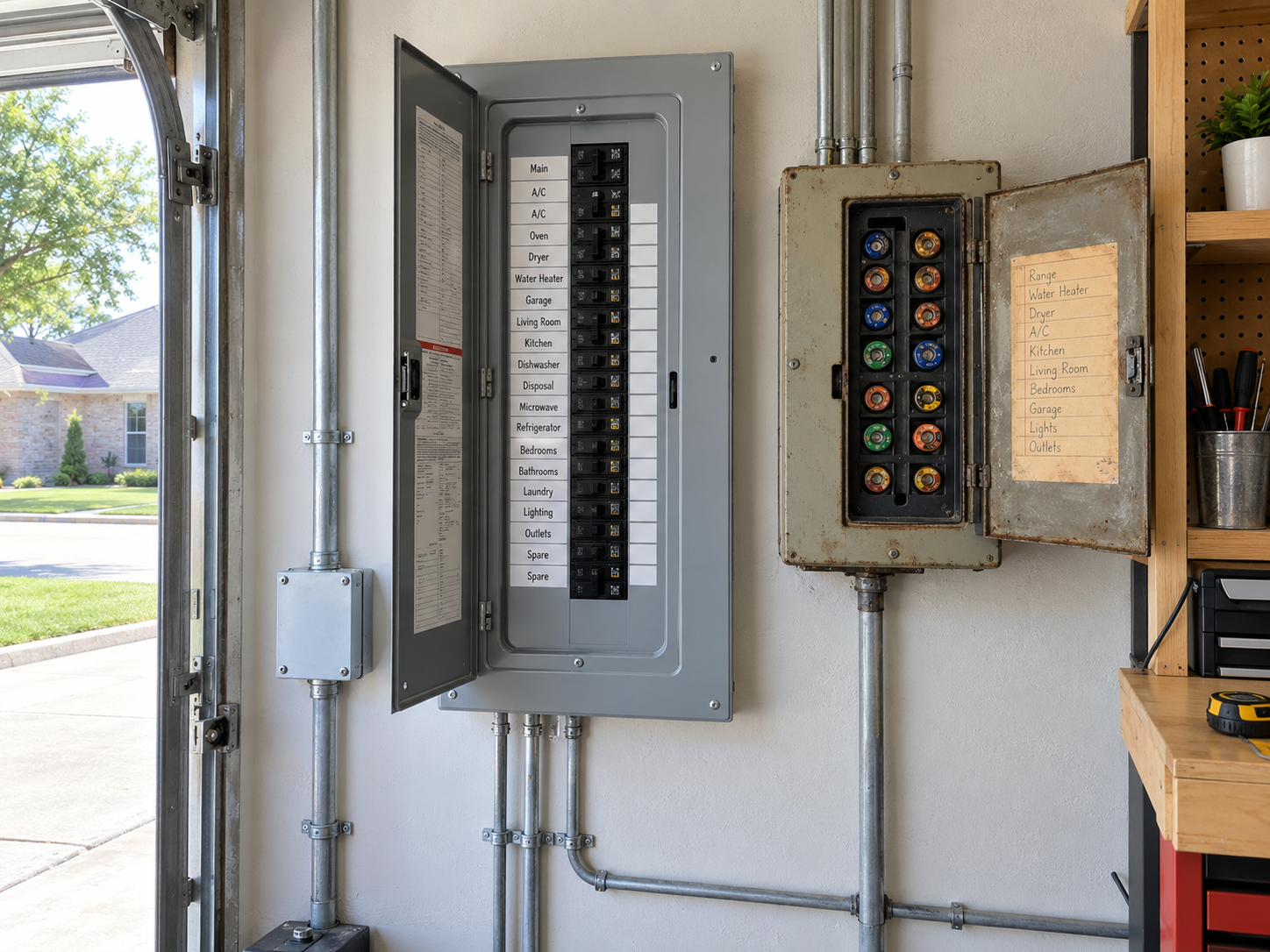
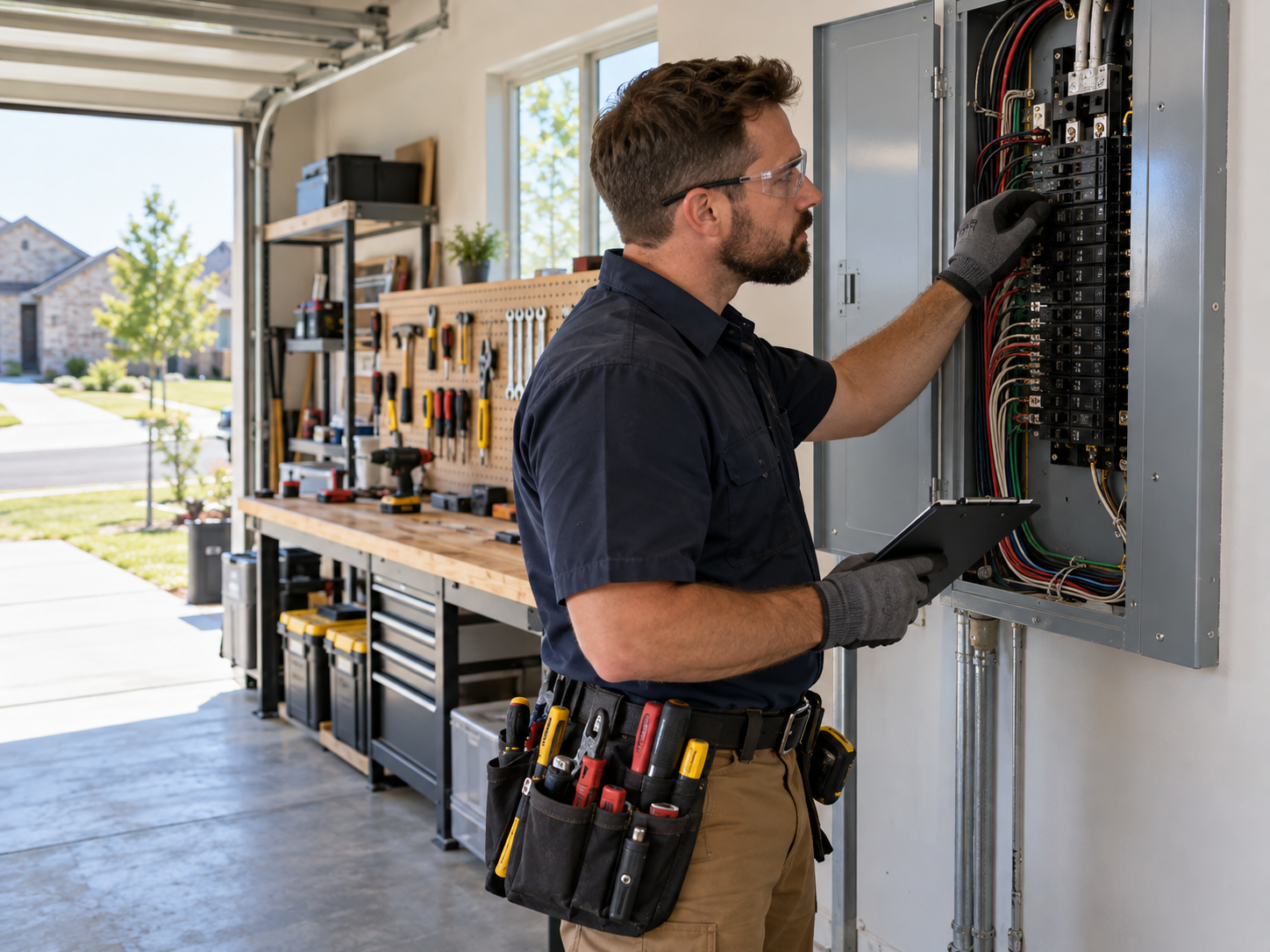
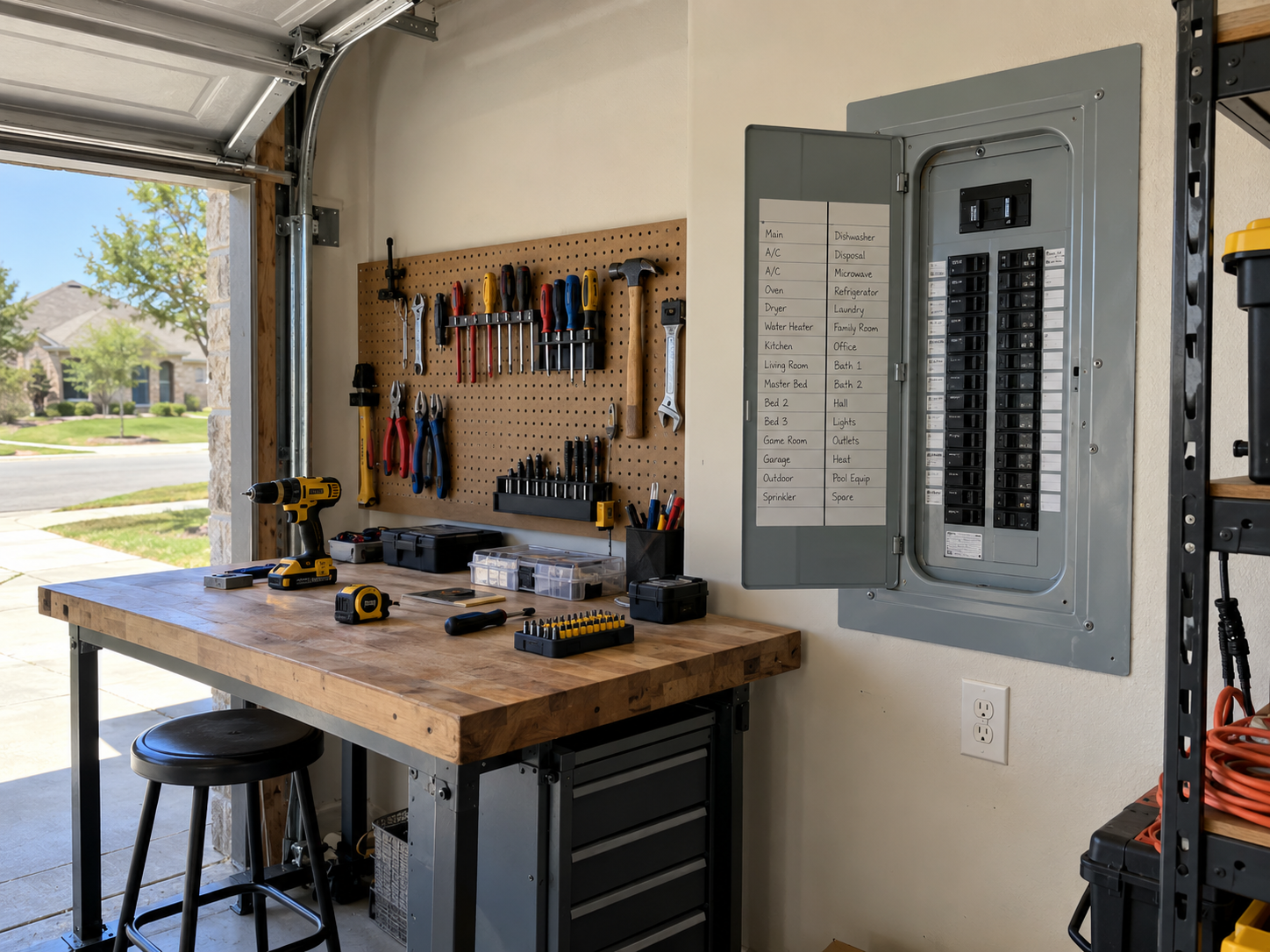
Additionally, mapping and labeling the breaker box is a highly recommended weekend project. Having a clearly labeled panel saves critical time during an emergency. Homeowners can safely map their systems by systematically turning off individual breakers and checking which lights or appliances lose power, then documenting the results on the panel door.
When to Call a Local Electrician Mansfield Trusts
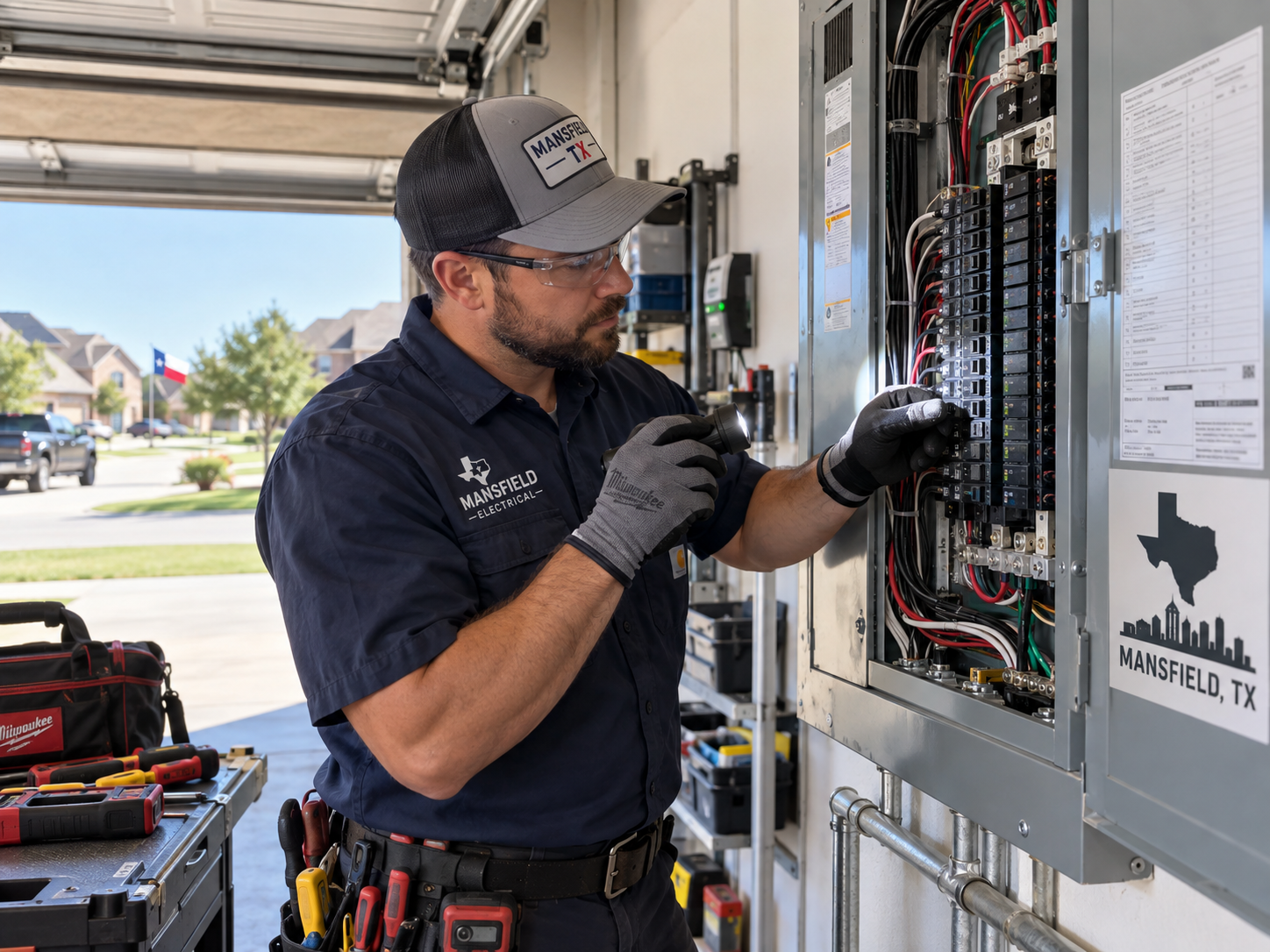
While minor upkeep is well within the realm of a homeowner, structural changes to your electrical system carry severe risks. High voltage projects require an intricate understanding of load calculations, grounding protocols, and building codes. This is exactly where you need the expertise of a local electrician Mansfield residents rely on for safety and compliance.
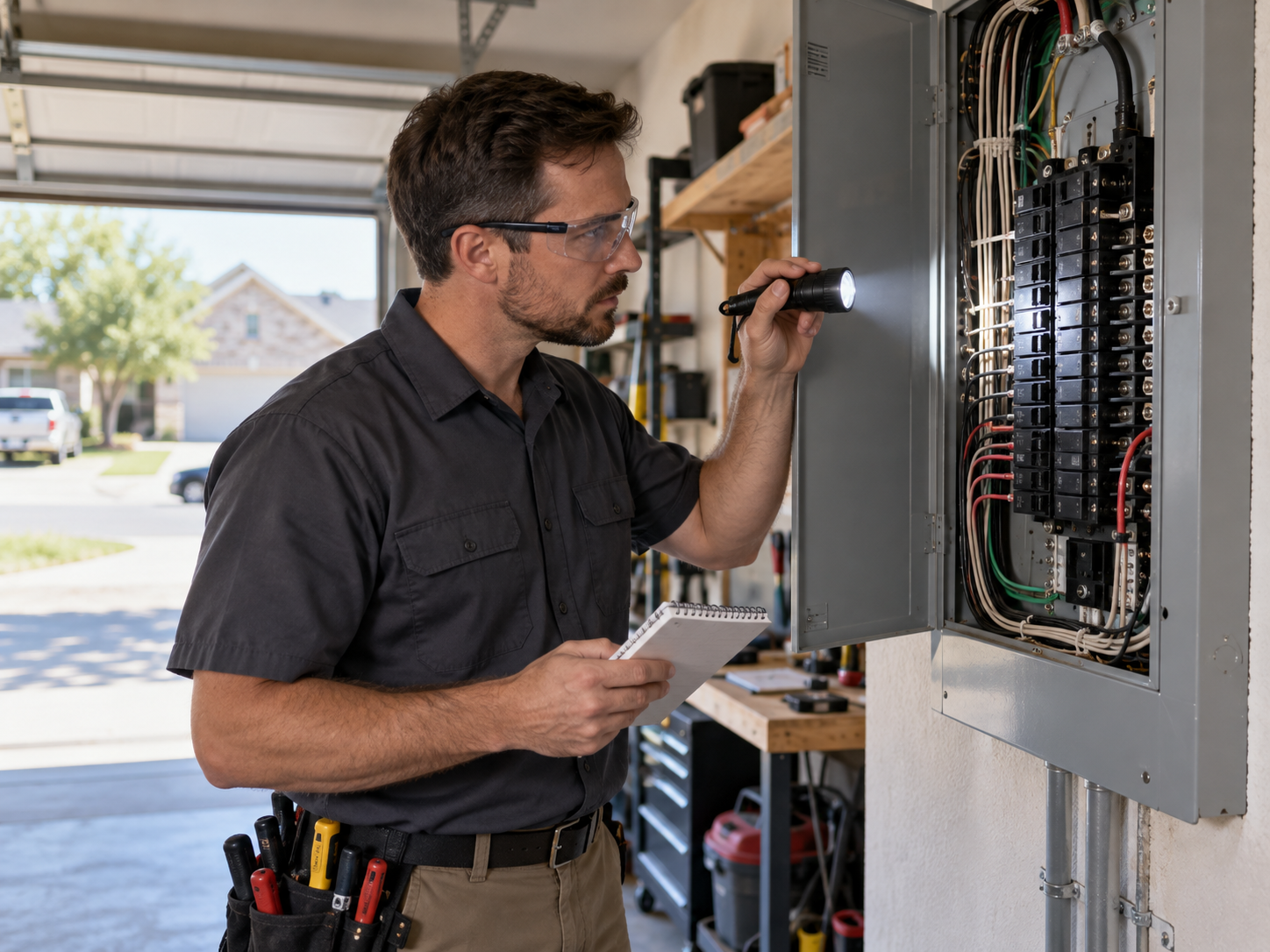
Major modifications require licensed professionals. Panel upgrades are one of the most critical examples. If your home still uses an outdated fuse box or a panel maxed out on capacity, attempting to add new breakers or replace the entire box is incredibly dangerous. A licensed technician from AT ELECTRIC LLC possesses the training to safely disconnect utility power, balance the electrical load, and ensure the new panel meets current National Electrical Code standards.
Whole-home rewiring is another project strictly reserved for professionals. Many older properties feature outdated wiring methods that degrade over time. Removing old wire and routing new copper lines safely through walls requires specialized tools and deep technical knowledge. An improper splice hidden behind drywall can generate immense heat over time, quietly turning into a severe fire hazard.
Adding dedicated circuits for major appliances also crosses the boundary into professional territory. High-draw appliances like HVAC systems, hot tubs, and heavy-duty shop equipment require dedicated lines to prevent continuous breaker tripping. An expert will calculate the exact amperage required, select the correct wire gauge, and install the appropriate breaker to handle the specific load without stressing the rest of the house.
The Legal and Insurance Implications of Unpermitted Work
Beyond the immediate physical dangers of improper wiring, unauthorized electrical work carries heavy financial and legal consequences. Municipalities enforce strict building codes to ensure community safety. When homeowners attempt major electrical overhauls without pulling the required permits, they create a permanent liability for their property.
Insurance companies actively look for unpermitted or non-compliant modifications during claims investigations. If a fire originates from a junction box wired by an unlicensed individual, the insurance provider has legal grounds to deny the entire claim. This leaves the homeowner responsible for tens of thousands of dollars in property damage.
Furthermore, unpermitted electrical work severely complicates real estate transactions. During the home inspection phase of a sale, certified inspectors easily identify amateur wiring jobs. Buyers will frequently demand that the seller hire a licensed professional to tear out the faulty work and rebuild it to code, delaying the sale and reducing the final property value.
Evaluating the Cost of DIY Mistakes
To clearly illustrate the boundaries between simple maintenance and necessary professional service, the following table breaks down common residential electrical tasks by their inherent risk levels and the recommended approaches.
| Electrical Project | DIY Risk Level | Primary Hazard | Professional Solution |
|---|---|---|---|
| Testing GFCI Outlets | Low | None | Monthly homeowner maintenance task |
| Swapping Faceplates | Low | Mild shock if cracked | Turn off power before unscrewing |
| Wiring Smart Switches | Moderate | Short circuits, missing neutrals | Professional wiring and load testing |
| Installing EV Chargers | High | Fire risk from sustained load | Dedicated circuit installation by experts |
| Breaker Panel Upgrades | Critical | Arc flash, severe injury, fire | Full service by licensed technician |
Understanding this matrix helps homeowners make informed decisions before picking up a screwdriver. The perceived savings of a weekend project rarely outweigh the costs of replacing fried appliances or repairing fire damage.
Smart Upgrades and High-Capacity Demands
As technology evolves, the electrical demands of the average Texas home continue to increase. Younger homeowners and tech enthusiasts are rapidly adopting smart home ecosystems and electric vehicles. While buying a smart switch or an EV charger might feel like a simple retail purchase, integrating these devices into a residential grid requires careful planning.
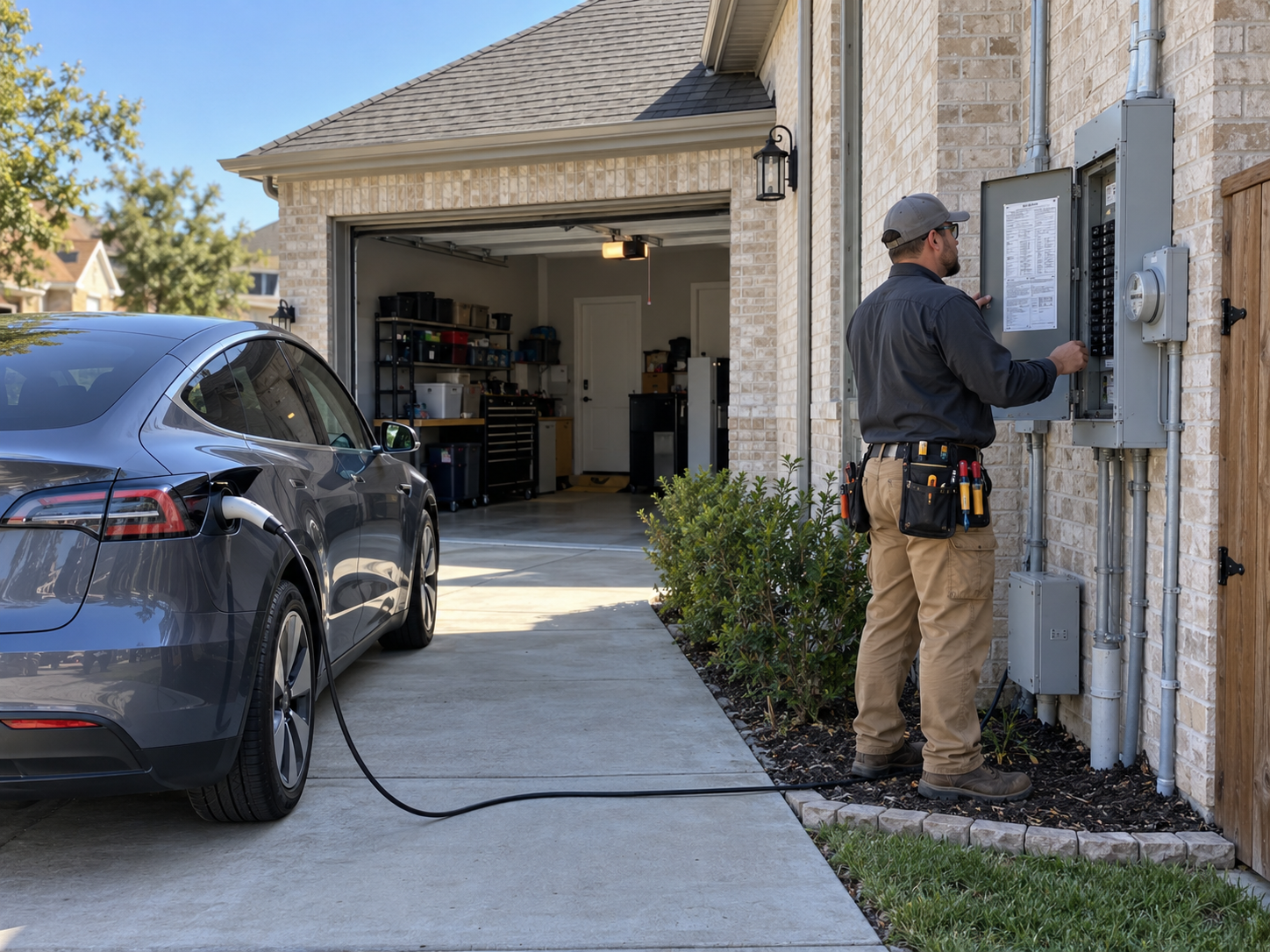
Electric vehicle chargers, specifically Level 2 charging stations, place a massive and continuous demand on a home electrical panel. Unlike a toaster that runs for three minutes, an EV charger might draw maximum amperage for eight straight hours. If the internal wiring, the breaker, or the panel itself cannot sustain that thermal load, the components will melt. AT ELECTRIC LLC specializes in assessing your current capacity and installing the precise infrastructure needed to charge your vehicle safely and efficiently.
Smart lighting systems also present hidden complexities. Many older homes lack the neutral wire required by modern smart switches to maintain their wireless connections. Attempting to force a smart switch into an incompatible junction box can lead to constant flickering, damaged LED drivers, or localized short circuits. A professional technician can safely bridge these connections or pull new wire to ensure your smart home operates flawlessly.
Final Safety Checks Before Any Electrical Maintenance
Even when engaging in the safest, lowest-risk electrical maintenance, preparation is paramount. Safety begins at the breaker box. Never rely on a wall switch to cut power to a fixture you are working on. Someone could accidentally flip the switch, or the switch itself might be wired incorrectly. You must turn off the specific breaker supplying power to that room.
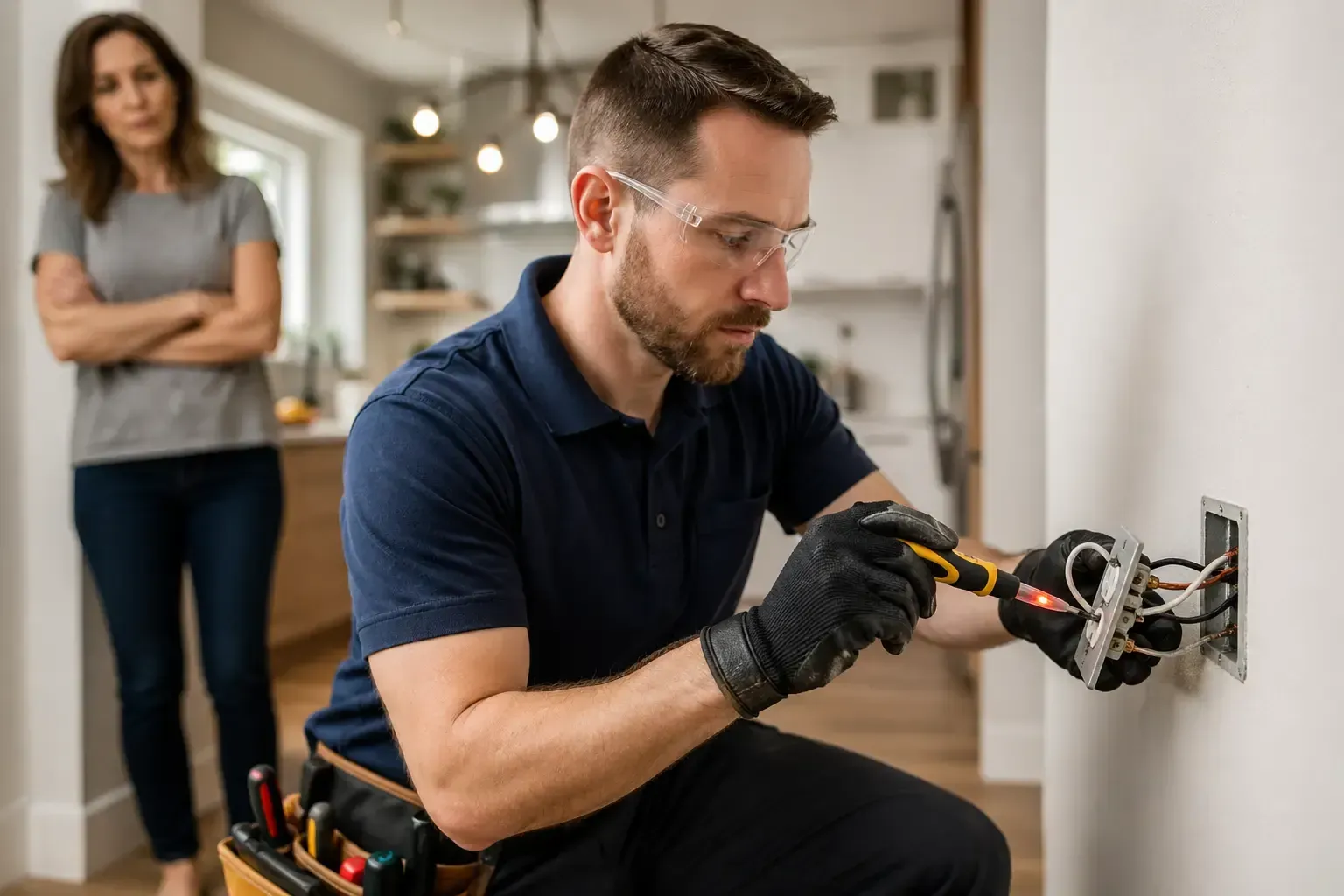
Always verify the power is off using a non-contact voltage tester. These inexpensive tools detect live current through the insulation of a wire. Simply touch the tester to the wires inside the receptacle box. If it lights up or beeps, the circuit is still live, and you have flipped the wrong breaker. Never trust wire colors alone to indicate safety, as amateur installations often misuse standard color coding.
Maintaining your property should bring peace of mind, not unnecessary stress. By understanding your limits and relying on AT ELECTRIC LLC for critical infrastructure changes, you ensure your home remains a safe environment for decades to come.
Frequently Asked Questions
Do I need a permit for minor electrical work in my home?
Permits are generally not required for basic cosmetic replacements like changing light bulbs, swapping out damaged outlet faceplates, or replacing a standard light switch. However, any project that involves adding new circuits, upgrading the main panel, or installing high-voltage equipment requires a permit and inspection to ensure compliance with local building codes.
Can I install my own electric vehicle charger?
Installing a Level 2 EV charger is not a safe DIY project. These chargers pull continuous, high-amperage current that can easily melt standard household wiring if installed incorrectly. A licensed professional must evaluate your panel capacity, run the appropriate heavy-gauge wire, and install a dedicated breaker to prevent catastrophic fire hazards.
How do I know if my electrical panel needs an upgrade?
Signs that your panel requires professional replacement include breakers that trip frequently, a faint burning odor near the breaker box, or lights that constantly dim when large appliances turn on. Additionally, if your home is over thirty years old or still relies on a fused system, you should schedule an immediate evaluation with a licensed technician.
Can I upgrade to smart home devices without changing my wiring?
In most cases, yes. Many smart switches, plugs, and thermostats are designed to work with standard wiring. However, some devices may require a neutral wire, so it’s best to check compatibility before purchasing.