A Mansfield Property Owner’s Guide to Pathway Lighting
Mansfield, Texas property owners use pathway lighting to improve night visibility, curb appeal, and safe footing along walks and drives. This guide covers practical fixture choices, placement, and code-aware installs. A.T. Electric LLC helps DFW owners plan durable outdoor lighting that fits real yards and usage.
Key takeaways
- Pathway lighting marks edges and steps so guests move safely after dark.
- Low-voltage LED runs cut energy use and heat on Mansfield walkways.
- Spacing, height, and glare control matter more than raw brightness.
- Licensed electrical work protects wiring, GFCI protection, and long-term reliability.
Why does pathway lighting matter for Mansfield homes?
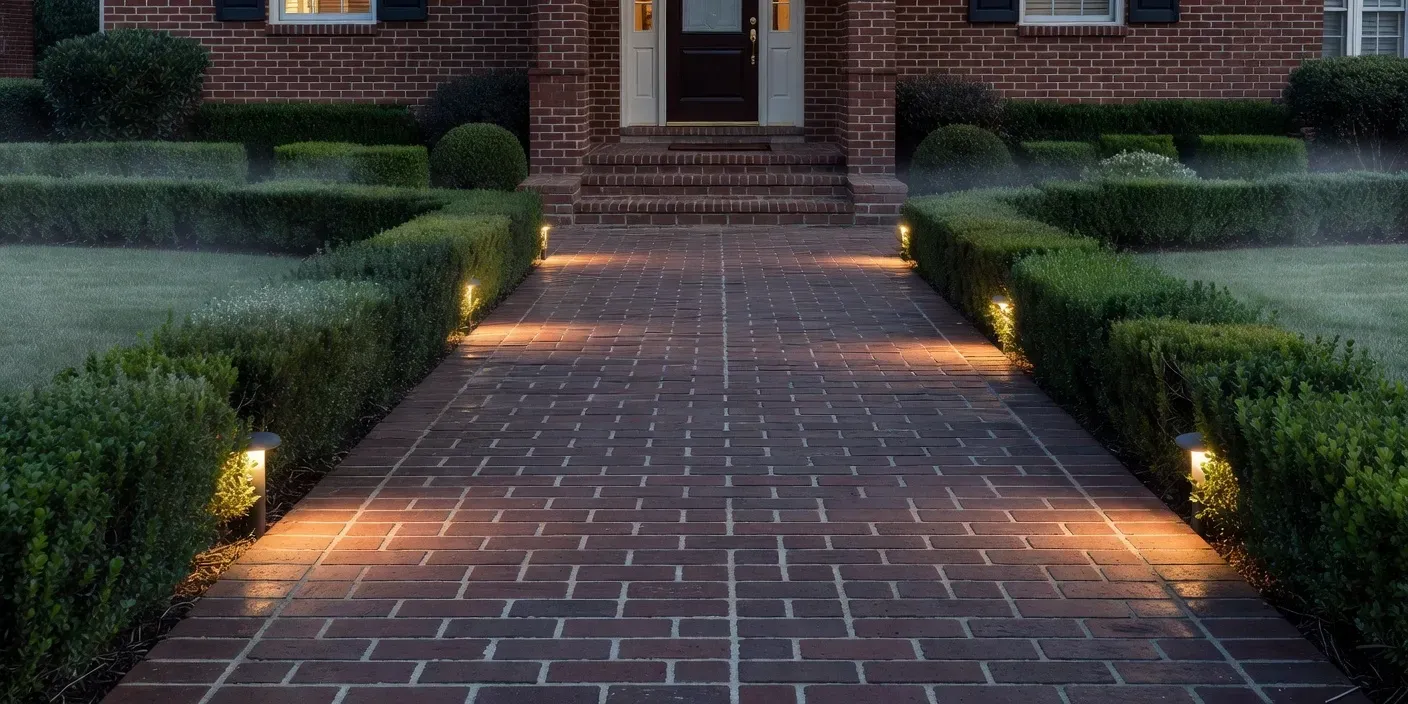
Pathway lighting matters because dark walks, uneven pavers, and long front approaches are common on Mansfield and DFW lots, and well-aimed fixtures reduce trip risk while guiding visitors without washing out the yard. Owners who want professional layout and install can review outdoor electrical services and contact the team for a site-specific next step.
Which pathway lighting type fits Mansfield yards best?
Low-voltage LED path lights usually fit Mansfield, Texas homes best because they run cooler, use less power, and support flexible spacing along walks, while solar suits short secondary paths, line-voltage needs careful licensed work, and bollards handle wider drives where taller, even light is the priority over subtle garden glow.
| Option | Best for | Watch-out |
|---|---|---|
| Low-voltage LED path lights | Front walks, side yards, and step edges on typical Mansfield lots | Needs a transformer and correct wire sizing |
| Solar path lights | Short secondary paths with full sun most of the day | Dimmer output on cloudy DFW stretches and shorter winter days |
| Line-voltage fixtures | Long runs or mixed outdoor circuits planned as one system | Requires licensed install, GFCI protection, and code-aware burial |
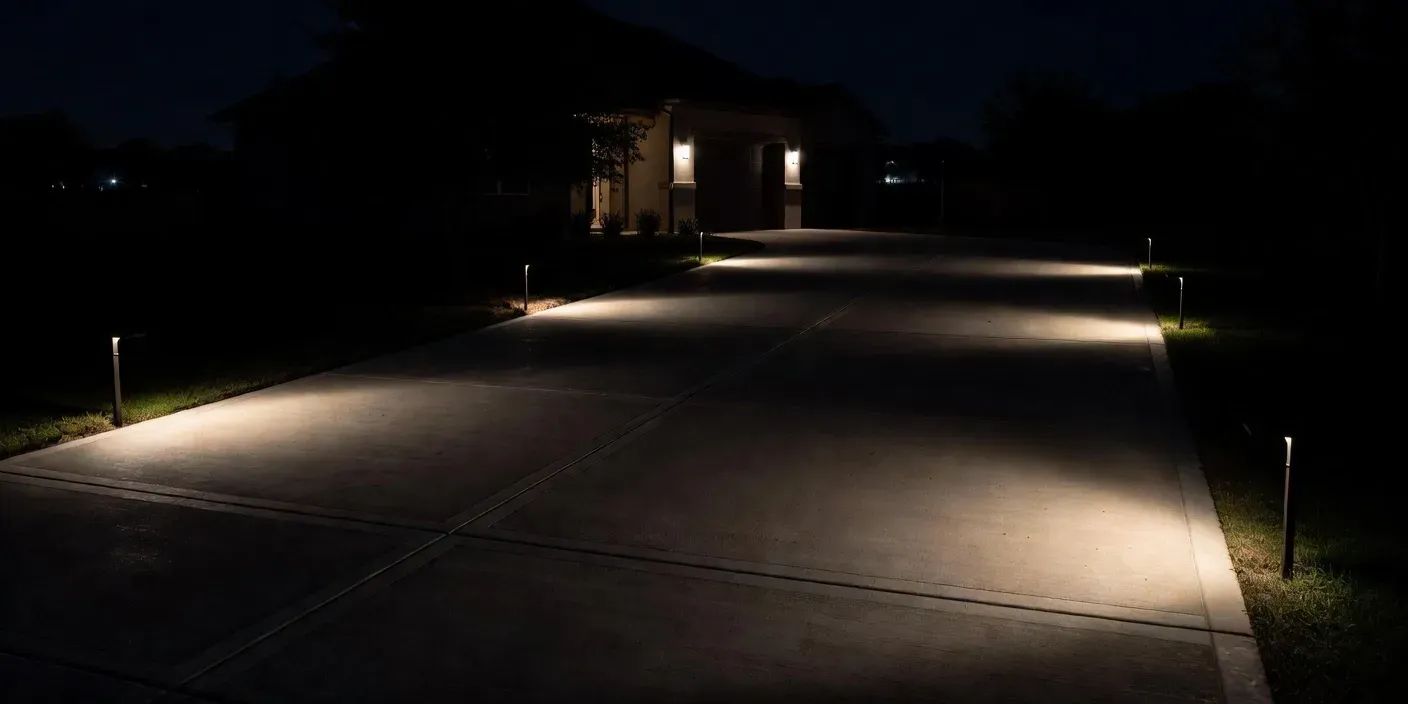
| Bollard lights | Wider drives, courtyard entries, and open approaches | Can glare if aimed poorly or spaced too tightly |
Choose height and beam so light hits the walking surface, not neighbors’ windows. In Mansfield clay and heat, sealed fixtures and stable bases hold up better than bargain stems. Glare control and even spacing beat raw lumen counts on brick and concrete.
When you are ready to match fixture type to your layout, review outdoor pathway lighting options with a local electrician and request a walkthrough before you buy hardware.
Which Spacing and Layout Work Best on Mansfield Lots?
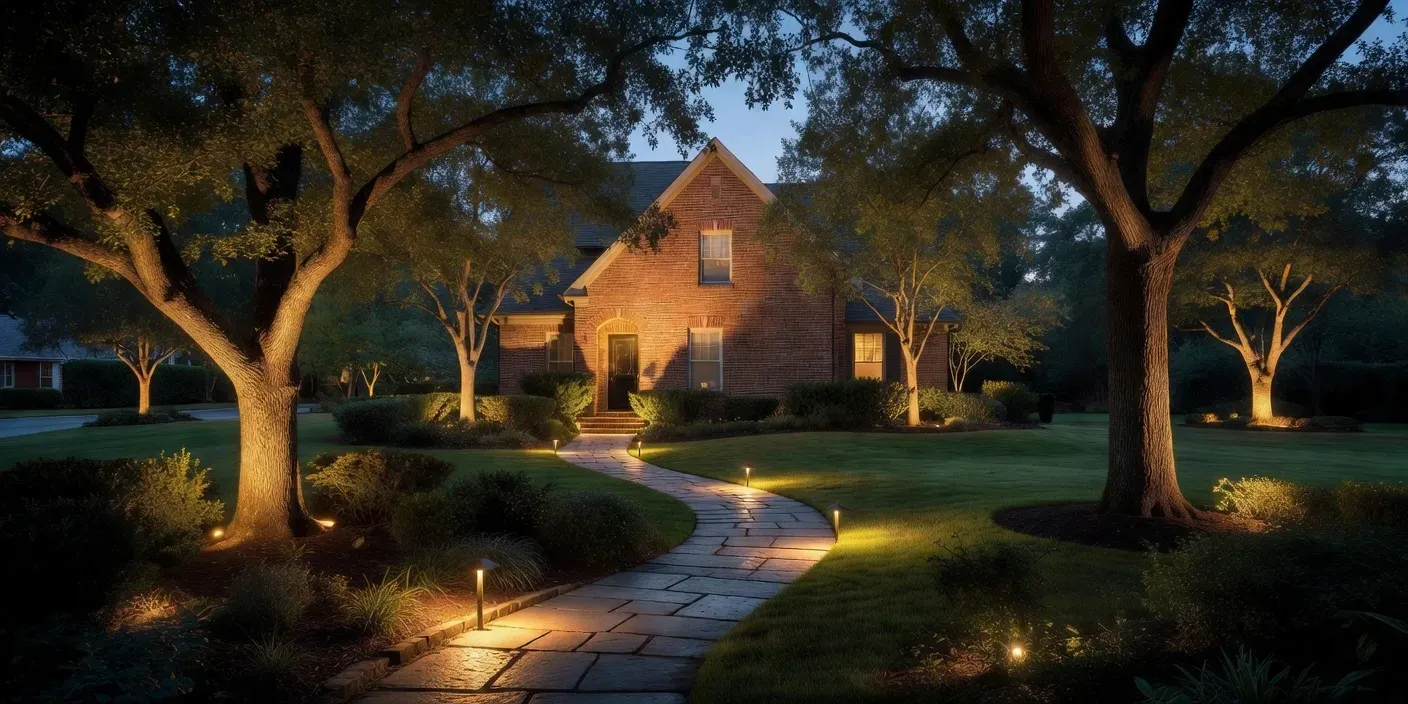
Most Mansfield, Texas walks read clearly when low path lights sit about six to eight feet apart, beams aim down onto brick or concrete, and taller fixtures mark only wide entries so glare stays off neighbor windows while steps and turns stay evenly lit after dark.
Short front walks often need fewer fixtures than long side yards. Start at the porch, then mark grade changes and corners before filling gaps. Even pools of light beat bright hot spots on clay soils that shift with heat and rain.
Keep stems plumb and bases firm so fixtures do not lean after summer storms. Aim optics at the walking surface, not upward into trees or across the street. Soft edges help guests see without washing out landscaping.
On wider approaches, pair low path lights with a few taller markers only where the drive opens. That mix keeps the garden calm and the route obvious. Local code, GFCI protection, and burial depth still matter on any permanent run.
A.T. Electric LLC can walk the property with you, confirm load and layout, and plan a clean install suited to DFW weather. When you want a site-specific plan, schedule a visit through the team’s contact page and bring photos of the routes you use most.
How Do You Maintain Pathway Lighting Through DFW Seasons?
Clean lenses, check aim, and reseat any fixture that shifts after heat or rain so Pathway Lighting stays even on Mansfield walks without glare or dark gaps between fixtures.
Dust and pollen dull output fast in North Texas. Wipe glass or polycarbonate covers a few times a year. Confirm stems stay plumb after clay soil moves. Replace failed lamps or drivers promptly so one dark spot does not break the route.
Trim plants that block beams. After storms, look for loose bases or exposed low-voltage cable. Keep GFCI devices tested where outdoor circuits require them. Small seasonal checks protect safety and curb appeal longer than waiting for a full outage.
What Should Mansfield Owners Budget and Plan For?
Plan for fixtures, wire, controls, and skilled install so Pathway Lighting matches walk length, soil, and code rather than a one-price kit that fails on longer Mansfield side yards.
Costs rise with run length, hardscape cuts, and permanent burial versus temporary stake lights. Quality optics and weather-rated parts cost more upfront and usually need fewer callbacks. Factor GFCI, proper depth, and load on the existing panel.
A clear scope lists fixture count, spacing, switch or timer location, and finish. Photos of porch-to-gate routes help estimators. Local labor familiar with DFW weather reduces lean posts and moisture issues after the first summer.
When Is a Licensed Electrician the Better Choice?
Call a licensed electrician for permanent Pathway Lighting, new circuits, or panel work so Mansfield installs meet code, stay grounded, and hold up under DFW heat and storms.
Frequently Asked Questions
What spacing works best for Pathway Lighting on a Mansfield walkway?
Even spacing of about six to eight feet usually suits typical Mansfield front walks, keeping light on the surface without hot spots. Adjust for curves, steps, and shrub height. Aim fixtures slightly down and inward. Low-voltage LED runs with one transformer often cover the full route cleanly.
Do Mansfield homes need low-voltage or line-voltage Pathway Lighting?
Most residential Pathway Lighting in Mansfield, Texas performs well on low-voltage LED systems with proper burial depth and GFCI-backed outdoor circuits. Reserve line-voltage for long drives that need higher output and conduit. Match layout to lot size, glare control, and local outdoor wiring practice.
Can solar fixtures replace wired Pathway Lighting entirely?
Solar units can mark full-sun edges but rarely deliver even, reliable Pathway Lighting on shaded Mansfield walks or under mature trees. Wired low-voltage LEDs give steadier output, better zoning, and fewer dark gaps. Use solar only as a limited supplement, not the primary path system.
Preferred Source on Google Search
Add www.atelectricllc.com to customize your search feed across Top Stories.