Electrical Repairs vs. Electrical Replacement: Which Option Saves You More Money?
Key Insights and Takeaways
Deciding between commercial electrical repairs and a full system replacement requires analyzing long-term costs, system age, and operational downtime. While simple repairs offer lower upfront expenses, replacing obsolete infrastructure dramatically reduces safety liabilities, prevents revenue-draining outages, and lowers utility bills. Partnering with a licensed commercial electrician ensures you make a data-driven choice that protects your facility and maximizes your maintenance budget.
* Continuous repairs on aging systems often exceed the cost of a complete upgrade due to compounding labor and diagnostic fees.
* System replacements offer modern safety compliance, manufacturer warranties, and protection against expensive business interruptions.
* Analyzing your maintenance logs and tracking power failure frequencies are critical steps in determining the most cost-effective strategy.
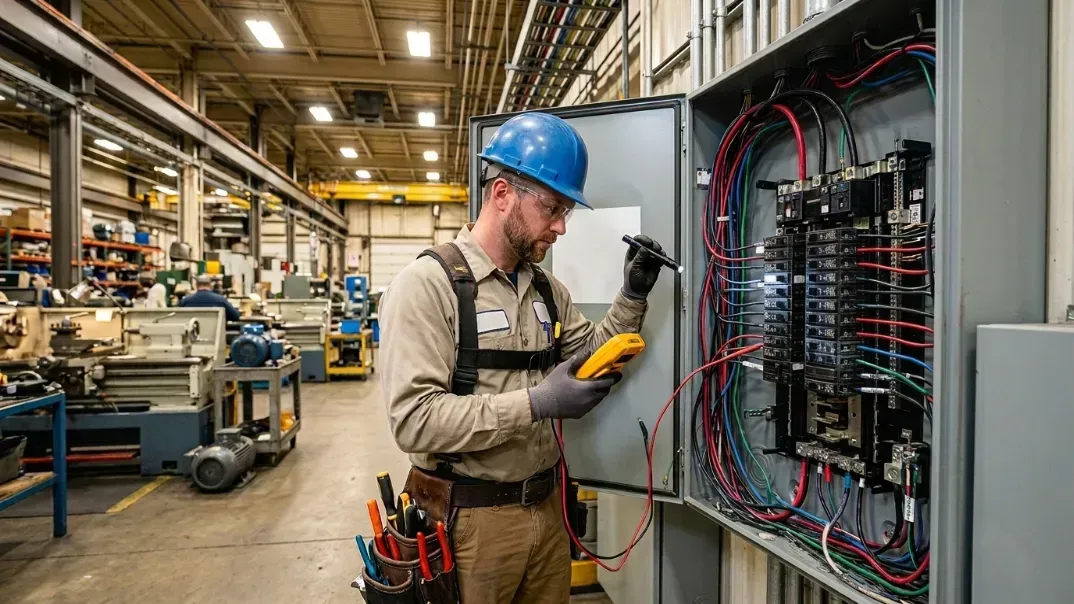
Commercial property managers and business owners constantly balance operational efficiency with overhead costs. When a power issue arises, deciding between a quick fix and a total system overhaul is a critical financial decision. Making the wrong choice can lead to recurring downtime, inflated maintenance bills, or severe safety hazards. Understanding the precise breakpoint where replacing outdated infrastructure becomes more cost-effective than patching it is essential for long-term profitability.
Operating a facility in a demanding commercial environment means your power demands are constantly fluctuating. Relying on degraded panels and faulty wiring puts your entire operation at risk. At A.T. Electric LLC, we help commercial clients navigate this exact scenario every day. By analyzing the hard data behind equipment lifespans and labor costs, businesses can stop throwing away capital on temporary fixes and start investing in sustainable infrastructure.
Evaluating the True Cost of Commercial Electrical Repair
An immediate electrical repair is often the default choice for businesses experiencing sudden power anomalies. Fixing a single faulty wire, swapping out a malfunctioning breaker, or addressing isolated equipment damage usually involves lower upfront costs. This approach keeps capital expenditure down and minimizes immediate operational disruptions. For newer systems that have simply suffered a localized fault, a targeted fix is highly appropriate and financially sound.
However, relying on continuous fixes for aging infrastructure creates a hidden financial drain. Troubleshooting complex electrical faults inside commercial conduit can take hours of labor. These labor costs compound rapidly with every service call. If your facility maintenance logs show repeated technician visits for the exact same recurring issue, your company is likely losing money. It is vital to assess whether the issue is an isolated incident or a symptom of systemic failure. Knowing exactly when to call for emergency electrical repairs helps limit immediate damage, but recognizing when a patch is no longer viable is just as important for protecting your bottom line.
Recognizing When Replacement is the Smarter Investment
Upgrading your commercial power systems requires a larger initial capital investment. Yet, modernizing your infrastructure almost always yields a higher return on investment over a ten-year period. New commercial grade panels, advanced wiring, and modern distribution boards operate with significantly higher energy efficiency and drastically lower failure rates. When you install new equipment, you also benefit from manufacturer warranties that eliminate out-of-pocket repair costs for several years.
Upgrading is not just about keeping the lights on. It is about protecting your expensive commercial assets from catastrophic power surges and code violations. Upgrading your infrastructure through professional electric panel upgrades ensures your building can handle modern power loads without tripping breakers or overheating. Furthermore, integrating robust whole-home surge protection (which applies heavily to sensitive commercial offices and retail spaces) guards expensive computers, servers, and heavy machinery against grid spikes. When the cost of continuous patches approaches fifty percent of the cost of a new system, replacement becomes the definitive choice.
Older electrical systems can also trigger severe penalties from commercial property insurance providers. Many underwriters will increase premiums or even deny coverage if a building relies on obsolete panels known for fire risks. A complete replacement often brings your premiums down, adding another layer of financial savings.
| Decision Factor | Electrical Repair Strategy | Complete System Replacement | Long-Term Financial Impact |
|---|---|---|---|
| Upfront Capital | Low immediate out-of-pocket cost | High initial capital investment | Replacement yields lower 10-year costs |
| Operational Downtime | Short, isolated business interruptions | Scheduled, longer initial downtime | Repair causes unpredictable future outages |
| Energy Efficiency | No improvement to current power usage | Significant reduction in energy waste | Replacement lowers monthly utility bills |
| Safety & Compliance | Maintains current safety baseline | Brings facility to modern building code | Replacement mitigates severe liability risks |
Key Factors Driving Your Electrical Service Strategy
Business owners must analyze several distinct variables before committing to a plan of action. Securing a professional assessment from a licensed commercial electrician ensures you have the data needed to make a financially sound choice.
Age and Condition of the Infrastructure
Most commercial wiring systems have a functional lifespan of thirty to forty years. If your building relies on outdated materials, patching one section will merely push the electrical stress to another weak point in the system. Modern businesses draw substantially more power than facilities built decades ago. Upgrading your electrical circuits ensures your power distribution can safely support heavy manufacturing machinery, dedicated server rooms, and advanced HVAC systems without risking electrical fires.
Frequency of Component Failures
Facility managers should document every single maintenance request. If you need a technician more than three times a year to reset the same circuit or replace the same switchgear, the system is actively failing. The cumulative cost of labor rates, replacement parts, and emergency diagnostic fees will quickly surpass the cost of installing brand new, highly efficient equipment. Modern thermal imaging can reveal hidden hot spots in your panels, proving that a system is beyond the point of standard repair.
Business Interruption and Lost Revenue
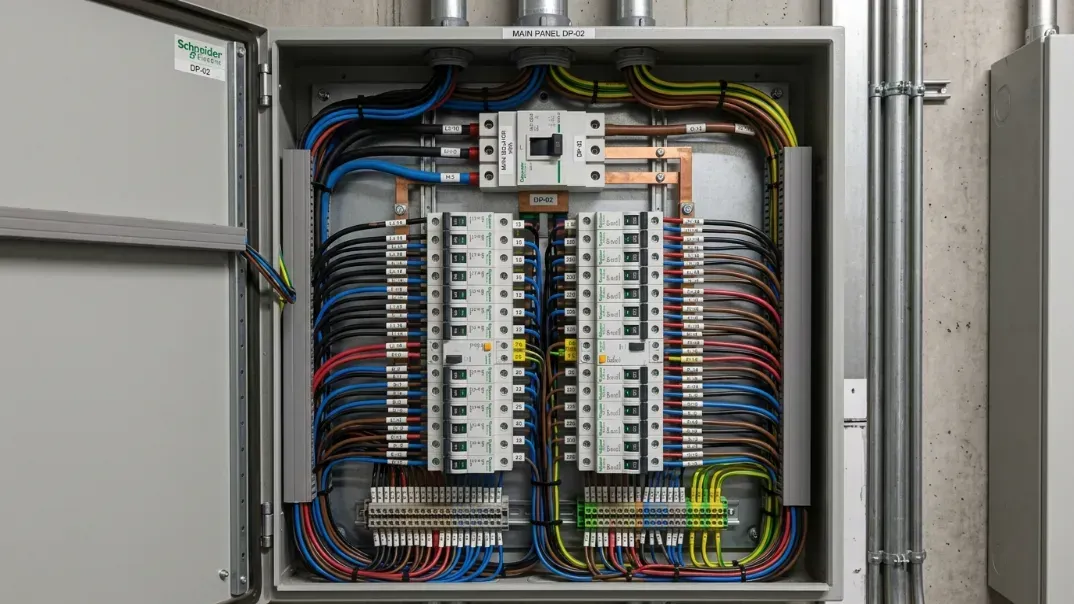
The most expensive part of a commercial power failure is rarely the technician's invoice. The true cost lies in idle employees, halted production lines, ruined perishable inventory, and frustrated customers. Scheduled system replacements allow you to plan downtime during off-hours, holidays, or weekends. Unexpected breakdowns force you to halt operations during peak business hours, resulting in massive and unrecoverable revenue losses.
Partnering with a Reliable Commercial Electrical Service
Navigating the complexities of commercial power systems requires expertise, honesty, and a deep understanding of local municipal building codes. A reputable contractor will never push a business toward an unnecessary upgrade, nor will they apply a temporary patch to a dangerously degraded and overloaded panel. Establishing a relationship with a trusted local provider guarantees that your facility receives priority response times during emergencies.
At A.T. Electric LLC, we pride ourselves on delivering transparent, data-driven recommendations for our commercial partners. We evaluate your current power load, assess the safety of your infrastructure, and provide accurate cost comparisons between immediate fixes and long-term upgrades. You can read more about our history and commitment to quality to see why businesses trust us with their infrastructure. We operate locally from 7920 Rodeo Trl Ste 240, ensuring rapid and professional response times for enterprises throughout Mansfield, TX.
Making the Right Financial Call for Your Facility
Balancing your annual maintenance budget requires foresight and expert technical guidance. If your facility is currently plagued by flickering lights, warm breaker panels, or constant tripped circuits, it is time to thoroughly evaluate your options. Stop throwing operational capital at temporary fixes that fail to address the root cause of your power distribution issues. Analyze your maintenance logs, calculate your total downtime costs, and consult with a licensed professional to determine the most cost-effective path forward.
Securing your commercial property and reducing your long-term maintenance costs starts with a professional evaluation. Reach out to our team to schedule a comprehensive system audit. You can contact us today to speak directly with our commercial specialists at (682) 582-5500.
Frequently Asked Questions
How do I know if my commercial building needs a total electrical replacement?
Frequent breaker trips, flickering lights, burning odors near panels, and the need for constant repairs are strong indicators. If your building is over thirty years old and still uses original panels, a complete replacement is usually safer and more cost-effective than ongoing repairs.
Are commercial electrical repairs tax deductible as maintenance expenses?
Routine repairs are typically fully deductible as ordinary business expenses in the year they are performed. Full system replacements are usually considered capital improvements, meaning the cost must be depreciated over several years according to current tax regulations. Always consult a certified accountant for specific tax advice.
Will upgrading my electrical panels lower my monthly utility bills?
Yes. Modern electrical panels and upgraded circuits operate with far greater efficiency, reducing energy waste and voltage drops. This optimized power distribution translates directly into lower monthly utility costs for heavy commercial energy users.