Why Do Your Outlets Stop Working? Residential Electrical Services Explain the Common Causes
Key Takeaways and Insights
A dead electrical outlet is more than a minor inconvenience; it is often a clear warning sign of a hidden safety hazard. Whether caused by a tripped breaker, a faulty GFCI, or loose wiring, these issues require prompt attention from licensed professionals to prevent fire risks. Understanding these common failures helps property owners make smart, safe decisions regarding their electrical maintenance.
A tripped circuit breaker or a triggered GFCI button is the most frequent cause of a sudden power loss at the receptacle.
Physical wear and tear, loose wiring, and overloaded circuits can cause outlets to overheat, spark, or completely fail.
Licensed electrical services are essential for safely diagnosing and repairing faulty outlets and preventing future hazards.

You plug a lamp into the wall. Nothing happens. You try charging your phone in the kitchen, but the screen stays dark. A dead outlet is a highly frustrating experience. More importantly, it often points to a hidden safety issue inside your walls.
Many property owners assume a broken receptacle is just a minor inconvenience. The reality is quite different. Electrical systems are highly complex networks. When one part stops functioning, it usually means a safety mechanism has activated. Sometimes it means a physical component has failed. Understanding why your outlets stop working is the first step in keeping your property safe.
The Reality of Dead Outlets
Outlets do not simply break without a reason. They are designed to last for many years. When they fail, it is a symptom of a larger issue. Ignoring a dead outlet can lead to serious risks. These risks include potential fire hazards and damage to your expensive electronics.
Homeowners in Mansfield, Texas, rely on steady power. From running air conditioners during hot summers to charging modern electric vehicles, your electrical demands are constantly growing. When an outlet fails, it disrupts your daily routine. Finding the root cause requires a systematic approach.
Tripped Circuit Breakers
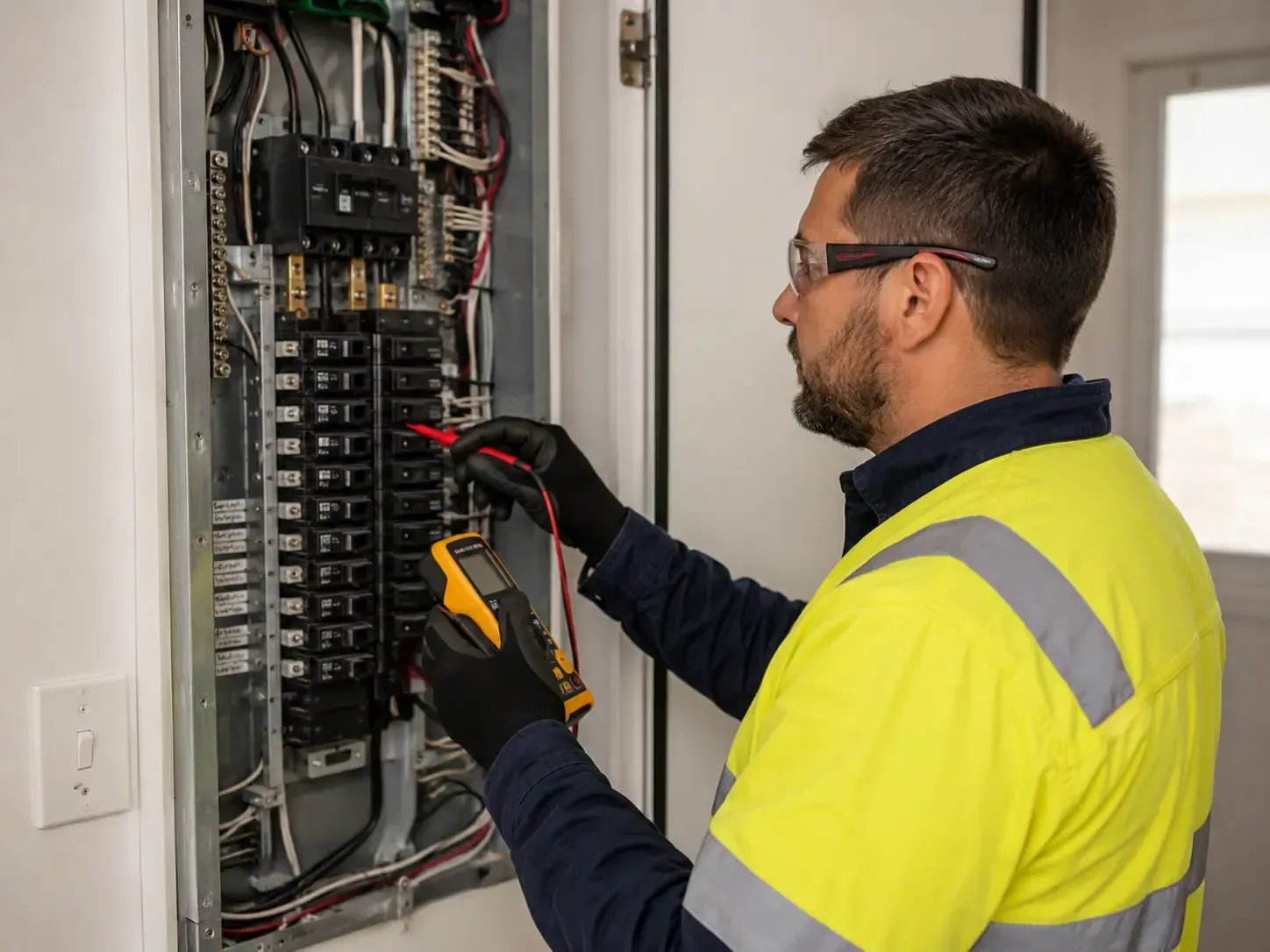
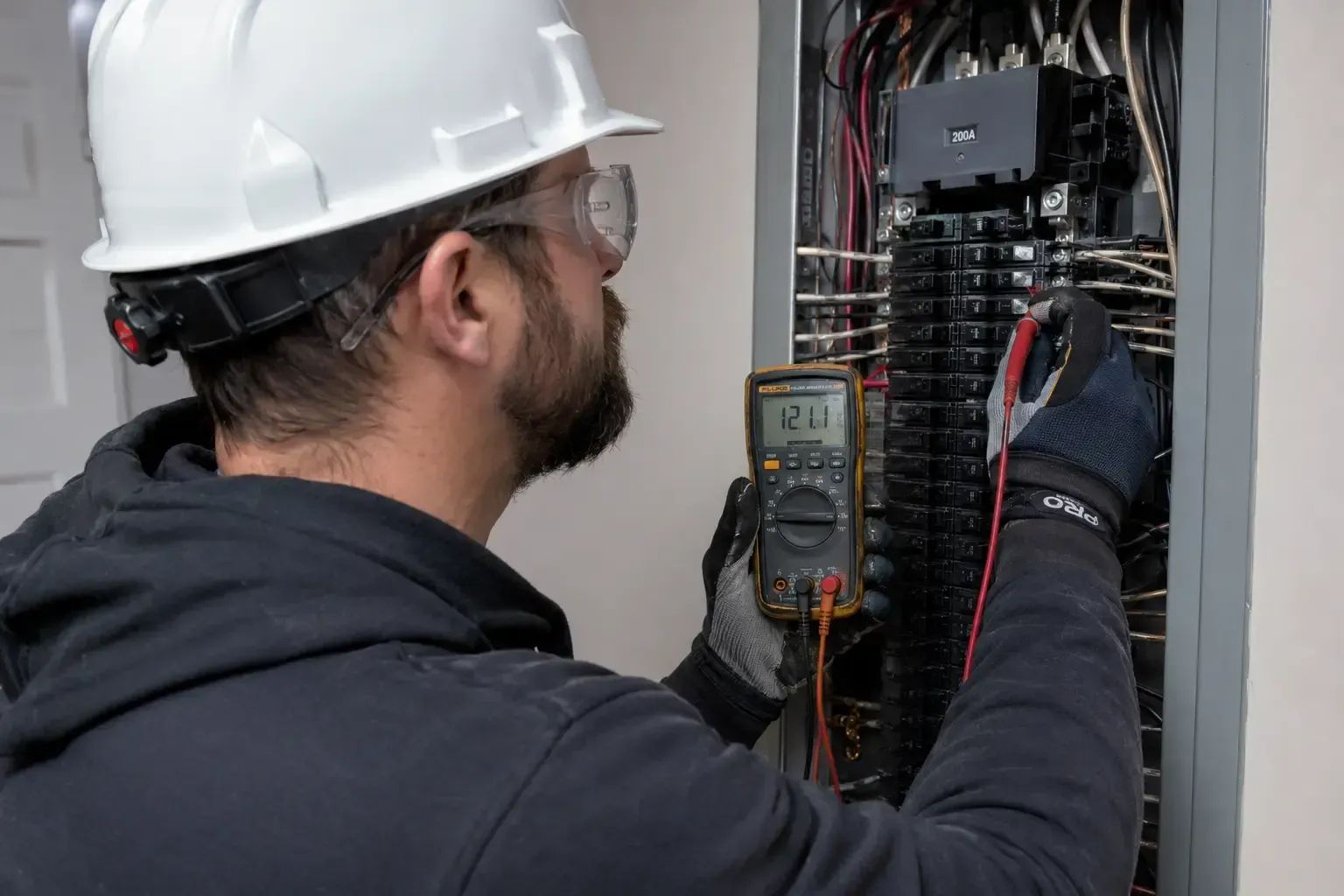
The most common reason for a dead outlet is a tripped circuit breaker. Your electrical panel is the central nervous system of your property. It distributes power to various rooms. Circuit breakers are safety switches. They are designed to shut off power when they detect a problem.
If a breaker senses that a circuit is drawing too much current, it will trip. This immediately cuts off power to prevent wires from overheating. When a breaker trips, all the outlets connected to that specific circuit will stop working.
To resolve this, you must check your electrical panel. Look for a switch that rests in the middle position. Turn it completely to the "off" position, and then firmly push it back to the "on" position. If the breaker immediately trips again, you have a larger problem. Continual tripping means you might need to look into upgrading your electrical panel to handle modern power demands safely.
Ground Fault Circuit Interrupter Issues
Look closely at the outlets in your kitchen and bathrooms. You will likely see two small buttons in the center. These are Ground Fault Circuit Interrupter outlets. They are commonly known as GFCIs.
GFCIs are designed to protect you from electrical shocks. They monitor the flow of electricity. If they detect a sudden imbalance, they shut off the power in milliseconds. This is especially important in areas where water is present.
Sometimes, a GFCI outlet will trip on its own. If a GFCI trips, it shuts off power to itself. It also shuts off power to any other standard outlets connected further down that same line. If your bathroom outlet is dead, press the small "reset" button on the GFCI receptacle. If it clicks and power returns, the problem is solved. If it refuses to reset, the internal mechanism is likely broken and requires replacement.
Professional Electrical Services: Why You Need an Expert
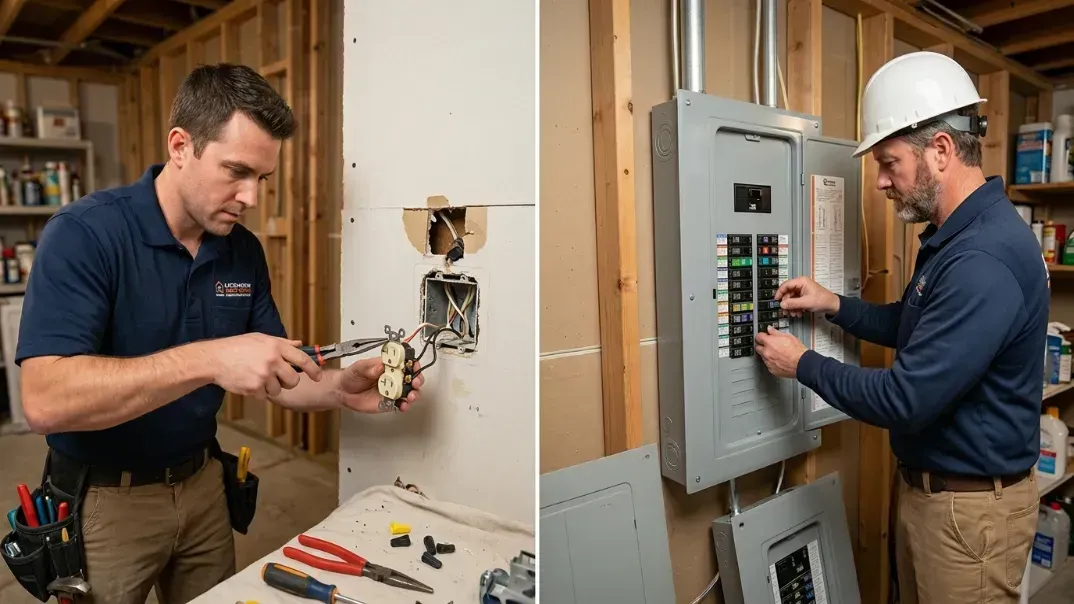
Handling electrical repairs is not a weekend hobby. Trying to fix complex wiring issues on your own is dangerous. It puts your property and your family at significant risk. When dealing with mysterious electrical failures, hiring licensed professionals is the only smart choice.
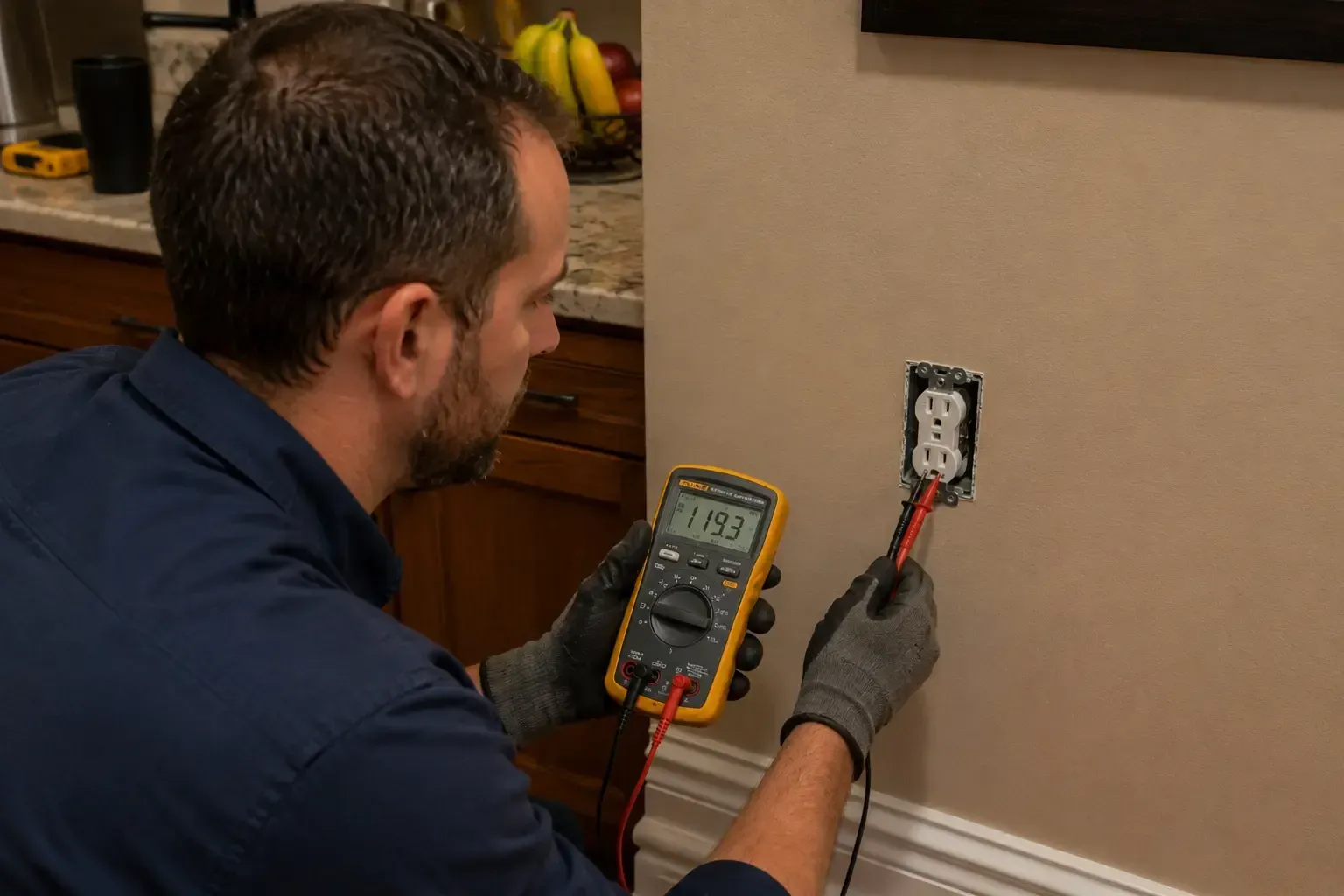
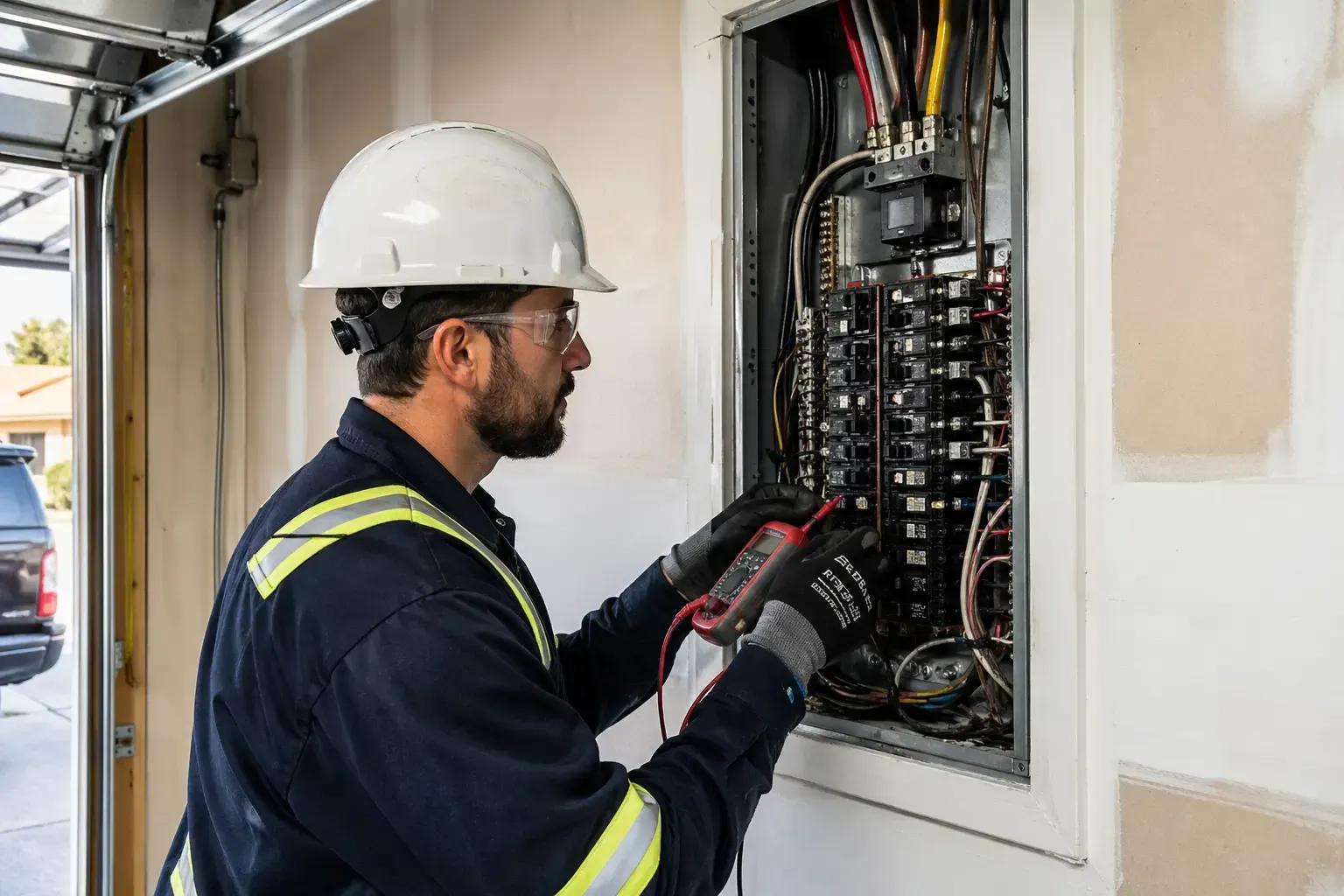
Professional Electrical Services provide peace of mind. Trained electricians know exactly how to diagnose dead outlets. They use specialized tools to test voltage safely. They understand local building codes in Mansfield. They can identify hidden dangers that an untrained eye will miss. Relying on experts like the team at AT Electric LLC ensures your repairs are completed safely and legally.
Loose Wiring and Burned Connections
Your home goes through natural temperature fluctuations. Wires expand during the heat of the day and contract at night. Over several years, this constant movement can loosen the screws that hold wires to the back of your outlets.
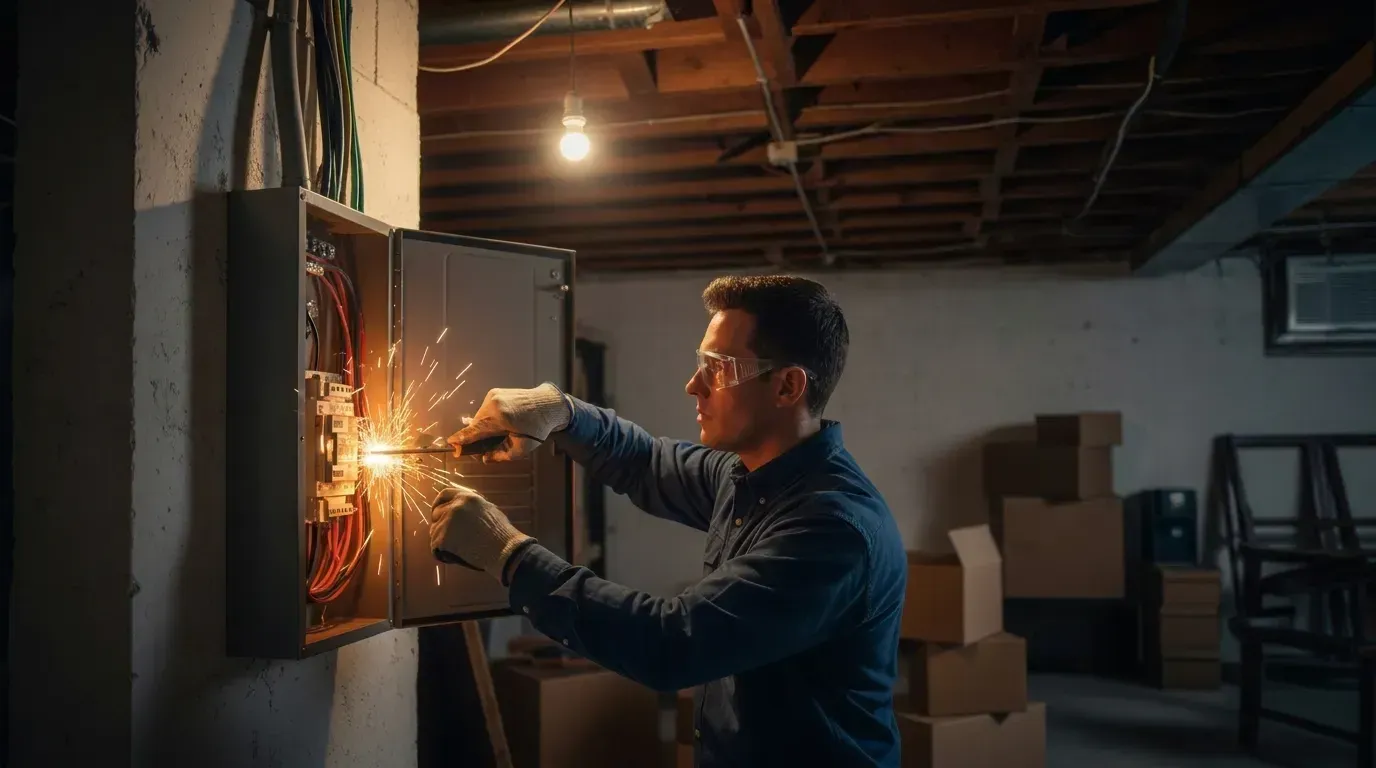
A loose wire creates a poor connection. Electricity tries to jump the gap between the wire and the terminal. This jumping is known as arcing. Arcing creates intense heat. This heat can melt the plastic casing of the receptacle. It can even start a fire inside your walls.
If you notice a burning plastic smell near an outlet, turn off the power at the breaker immediately. If the plastic faceplate looks brown or warped, the outlet is likely burned out. A damaged receptacle must be removed and replaced by a qualified electrician right away.
Overloaded Circuits and High-Demand Appliances
Every electrical circuit has a maximum capacity. Standard residential circuits are usually rated for 15 or 20 amps. If you plug too many devices into a single room, you will exceed this capacity.
Modern homes demand more electricity than ever before. You might have a space heater, a television, and a gaming console all running simultaneously. If you try to power an intensive project, such as running indoor and outdoor lighting displays on an already crowded circuit, the system will overload.
An overloaded circuit will consistently trip the breaker. Over time, pushing a circuit to its limit can cause the outlets themselves to fail. Spreading your heavy appliances across different circuits is a good way to prevent this issue.
Physical Wear and Tear on Receptacles
Nothing lasts forever. Standard wall receptacles experience heavy physical use. You plug the vacuum cleaner in and pull it out constantly. You yank phone chargers out of the wall in a hurry.
This repeated physical stress wears out the metal contact points inside the outlet. When these contacts lose their grip, the outlet cannot hold a plug securely. If your plug falls out of the wall easily, the receptacle has reached the end of its lifespan. A loose connection stops the flow of electricity. It also presents a severe arcing hazard. Replacing old receptacles is a quick and inexpensive way to restore safety.
Protecting Your Home from Power Surges
Power surges are sudden spikes in electrical voltage. They can be caused by lightning strikes during Texas thunderstorms. They can also occur when the utility company switches power grids.
These massive spikes of energy travel rapidly through your home wiring. When a surge hits a standard outlet, it can instantly destroy the internal components. It will also damage any computers or televisions plugged into that receptacle.
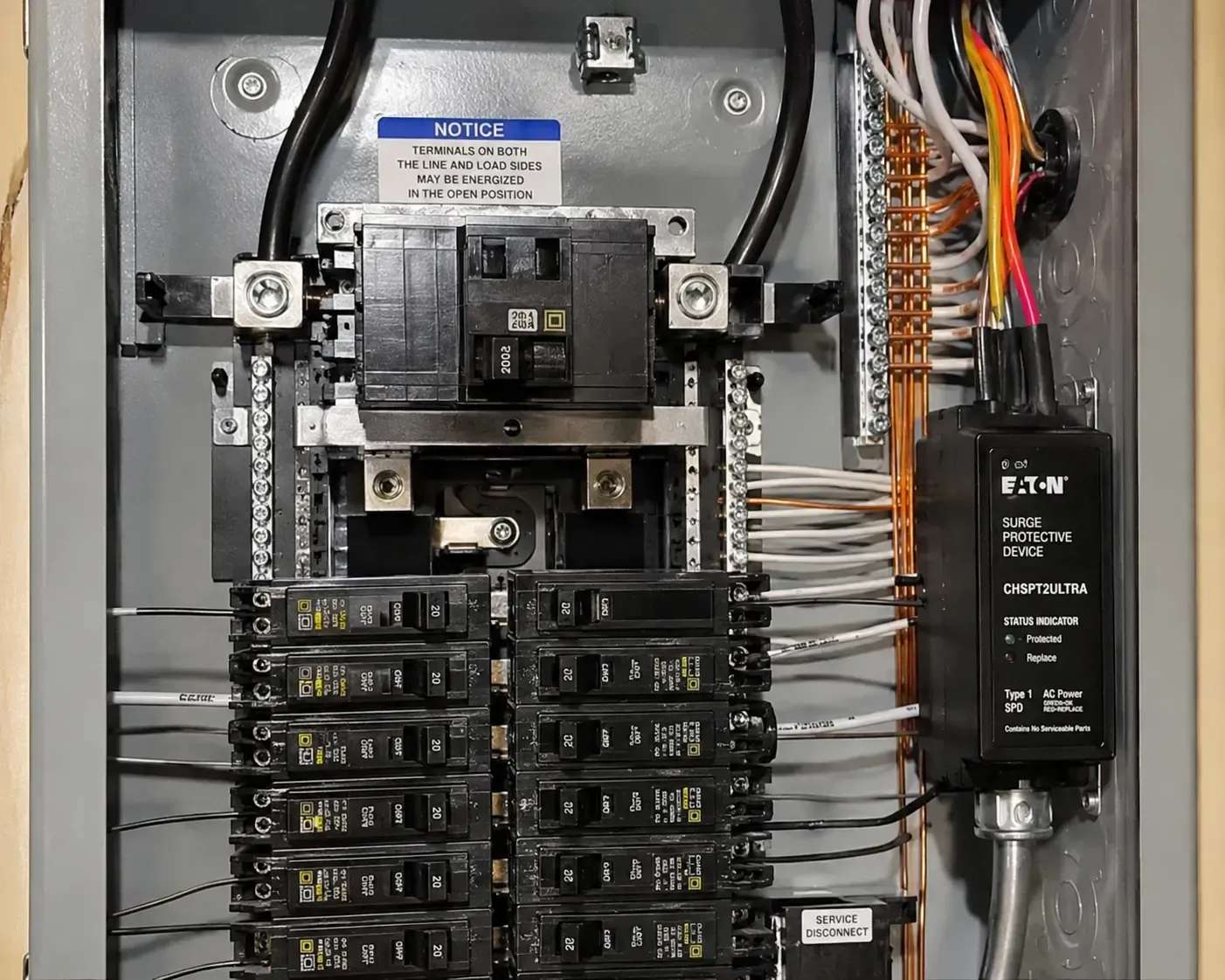
Investing in whole-home surge protection is the best defense against these unpredictable spikes. A whole-home system blocks excess voltage at the electrical panel. It stops the surge before it can reach your sensitive wall outlets. This extends the life of your electrical system and protects your valuable electronics.
Summary Table of Outlet Problems
Understanding the symptoms of a failing outlet helps you take appropriate action. Use this quick reference guide to identify common issues.
| Symptom | Likely Cause | Danger Level | Recommended Action |
|---|---|---|---|
| Completely dead outlet | Tripped breaker or tripped GFCI | Low to Medium | Reset the breaker or GFCI button. |
| Plug falls out easily | Worn internal metal contacts | Medium | Replace the aging receptacle. |
| Warm or hot faceplate | Overloaded circuit or loose wiree | High | Unplug devices and call an electrician. |
| Sparking or popping sound | Electrical arcing from poor connection | Severe | Turn off breaker immediately and call for service. |
Taking Action for Your Safety
Safety must always remain your top priority. Your electrical system works tirelessly to power your life. When an outlet stops working, it is sending you a clear warning signal. Do not ignore these warnings.
Whether you need a simple outlet replacement or a major panel upgrade, professional help is just a phone call away. Residents in Mansfield, Texas, trust licensed experts to keep their properties safe and fully powered. If you are experiencing electrical issues, reach out to AT Electric LLC. You can visit us at 7920 Rodeo Trl Ste 240 Mansfield, TX 76063. For immediate assistance, call +1 682 582-5500 to schedule an inspection.
Frequently Asked Questions
Why did my outlet stop working but the breaker did not trip?
The most likely culprit is a tripped GFCI outlet located elsewhere on the same circuit. A loose wire connection behind the specific outlet could also disrupt power without triggering the main breaker.
Is it safe to use an outlet that sparks when I plug something in?
No. A sparking outlet indicates a loose connection or severe electrical arcing. This is a major fire hazard. You should stop using the outlet immediately and contact a licensed electrician for repairs.
How often should residential electrical outlets be replaced?
Standard outlets can last 15 to 25 years under normal conditions. You should replace them sooner if plugs begin to fit loosely, if the plastic becomes discolored, or if they stop providing consistent power.