From Safety to Savings: Why Electrical Inspections Are Worth Every Minute
In the symphony of homeownership, the electrical system is the silent conductor. It powers our lives, from the first cup of coffee in the morning to the bedside lamp we read by at night. Yet, because it operates largely out of sight, it’s often out of mind. We upgrade our kitchens, landscape our yards, and repaint our walls, but the complex network of wires and circuits within those walls is frequently ignored—until something goes wrong. This oversight can be more than an inconvenience; it can be a significant threat to both your family’s safety and your financial well-being. A comprehensive electrical inspection is not just a routine check-up; it's one of the most critical investments you can make in your property.
Here at A.T. Electric LLC, we believe that understanding your home's electrical health is fundamental to creating a safe and efficient living environment. It’s about transforming a potential liability into a source of security and savings. This guide will illuminate the crucial reasons why an electrical inspection is worth every minute of your time and every penny of your investment, covering everything from preventing catastrophic failures to unlocking significant long-term savings.
The Silent Guardian: Uncovering Hidden Electrical Hazards
The most compelling reason for a professional electrical inspection is, without a doubt, safety. Electrical malfunctions are a leading cause of residential fires in the United States, causing thousands of injuries and billions of dollars in property damage each year. An inspection acts as your first line of defense, identifying latent problems before they escalate into emergencies.
Outdated and Faulty Wiring: The Ticking Time Bomb
Many older homes harbor outdated wiring systems that weren't designed for the demands of modern electronics. Systems like knob-and-tube or early-generation aluminum wiring can pose significant risks:
- Knob-and-Tube Wiring: Common in homes built before the 1950s, this system lacks a ground wire, increasing the risk of electric shock. Its insulation can also become brittle over time, and it can be a fire hazard when covered by modern thermal insulation.
- Aluminum Wiring: Used in the 1960s and 70s, aluminum wiring is prone to oxidation at connection points, which can lead to overheating and create a serious fire risk if not properly maintained.
A qualified electrician can identify these systems, assess their condition, and recommend safe solutions, whether that's remediation or a full rewire. This proactive step can prevent a disaster down the road.
The Overloaded Circuit: A Modern Home's Achilles' Heel
Think about how many devices you have plugged in right now: computers, smart TVs, kitchen appliances, phone chargers, and more. Our electricity consumption has skyrocketed, but in many homes, the electrical panel and circuits haven't kept pace. Overloaded circuits are a common issue where too much current is drawn through a single circuit, causing the wires to overheat. While circuit breakers are designed to prevent this by tripping, frequent tripping is a clear warning sign. An inspection will assess your home's electrical load, check the health of your breaker panel, and ensure your system can safely handle your family's needs.
The Shocking Truth About Outlets and Switches
It's easy to take outlets and switches for granted, but they are critical safety components. During an inspection, an electrician will look for:
- Lack of GFCI Protection: Ground Fault Circuit Interrupters (GFCIs) are life-saving devices required in areas with water, like kitchens, bathrooms, and outdoor spaces. They quickly shut off power if they detect an imbalance, preventing dangerous electric shocks.
- Missing AFCI Protection: Arc-Fault Circuit Interrupters (AFCIs) are designed to detect dangerous arcing in wiring—a common cause of electrical fires—and cut the power. Many older homes lack this modern protection.
- Worn-Out Receptacles: Loose plugs, scorch marks, or warm-to-the-touch outlets are all signs of internal wear and tear that can lead to fires.
More Than Peace of Mind: The Financial ROI of an Electrical Inspection
While safety is paramount, the financial benefits of an electrical inspection are equally compelling. This isn't just an expense; it's a strategic investment that can save you thousands of dollars over time.
Preventing Catastrophic Repair Costs
The cost of an electrical inspection is a fraction of the cost of recovering from an electrical fire or repairing extensive damage from a major system failure. By identifying issues like corroded wiring, an undersized service, or a failing main panel early, you can address them with planned, budgeted repairs. This is infinitely preferable to facing an emergency replacement that could disrupt your life and drain your savings unexpectedly. Think of it as preventative medicine for your home’s most vital system.
Boosting Your Home's Energy Efficiency
An inefficient electrical system can be a silent drain on your finances. Outdated components, poor connections, and overloaded circuits can cause your system to work harder than necessary, wasting electricity and inflating your utility bills every month. An inspection can pinpoint these inefficiencies. An electrician might suggest simple fixes like updating connections or more significant upgrades like installing a modern, efficient electrical panel. These improvements can lead to noticeable reductions in your energy consumption, putting money back in your pocket.
Navigating Insurance and Real Estate Transactions
An electrical inspection is often a key requirement in real estate and insurance matters.
- Buying a Home: A standard home inspection provides a general overview, but a dedicated electrical inspection offers a deep dive. It can uncover hidden, costly issues, giving you powerful leverage to negotiate the sale price or request repairs before closing.
- Selling a Home: Having a recent, clean electrical inspection report can be a major selling point. It gives potential buyers confidence in the home's integrity, potentially leading to a faster sale and a higher offer.
- Insurance Policies: Many insurance companies offer discounts or require inspections for older homes to qualify for coverage. Proving your system is safe and up-to-code can lower your premiums and ensure your policy remains valid.
The Telltale Signs: When to Call for a Professional Inspection
While regular inspections are always a good idea, certain events and symptoms should prompt you to call a professional immediately. Consider scheduling an inspection if:
- You are buying or selling a property.
- Your home is over 40 years old and has never had its wiring inspected.
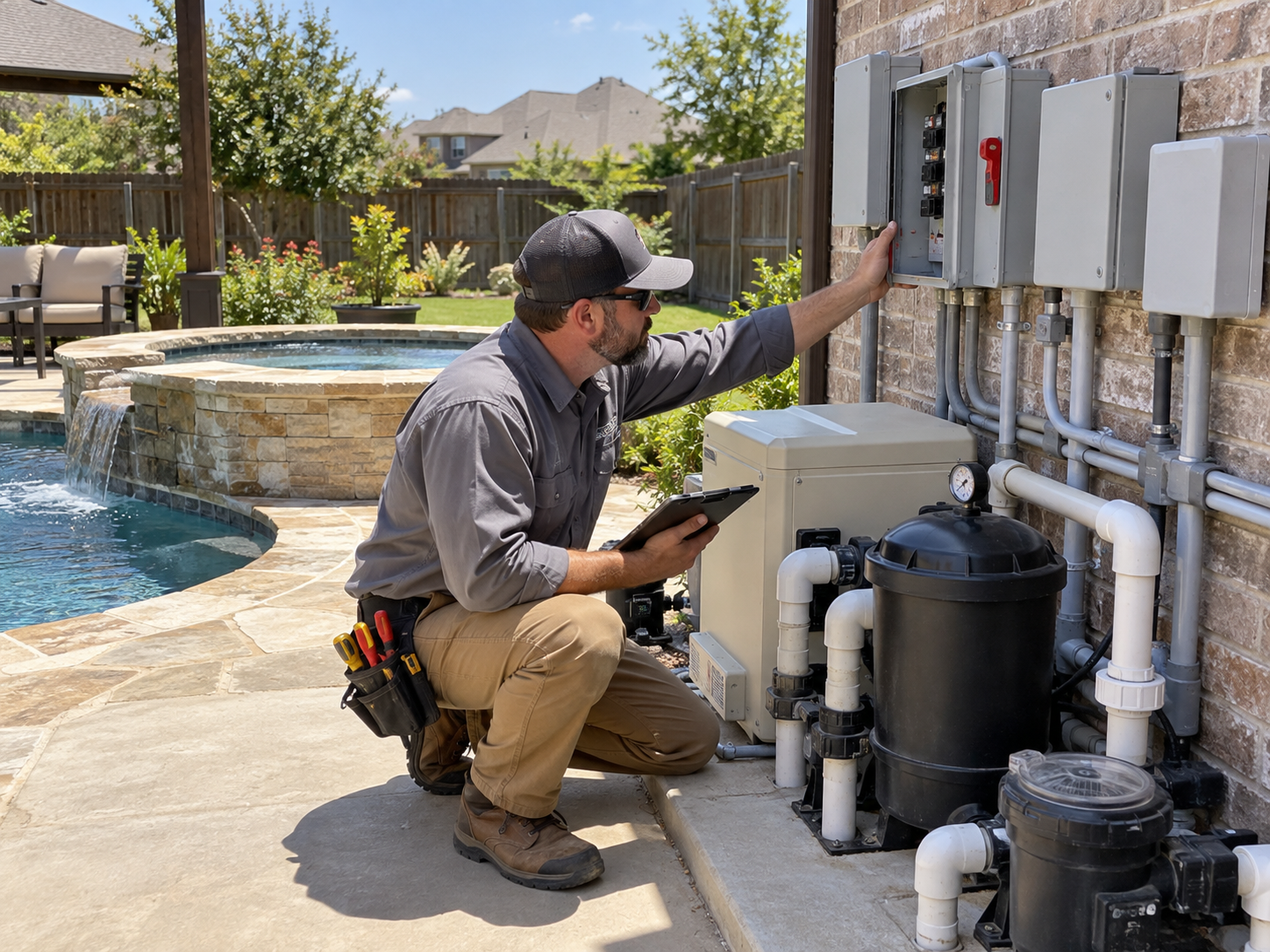
- You are planning a major home renovation or adding a large new appliance (like an EV charger or a hot tub).
- You've recently experienced a major storm or flooding that could have damaged the system.
- You notice any of these warning signs:
- Lights that flicker or dim frequently.
- Circuit breakers that trip or fuses that blow regularly.
- A persistent burning smell from an outlet or the electrical panel.
- Outlets or switches that are discolored, buzzing, or warm to the touch.
- You feel a mild shock or tingle when touching an appliance.
What to Expect During an Inspection with A.T. Electric LLC
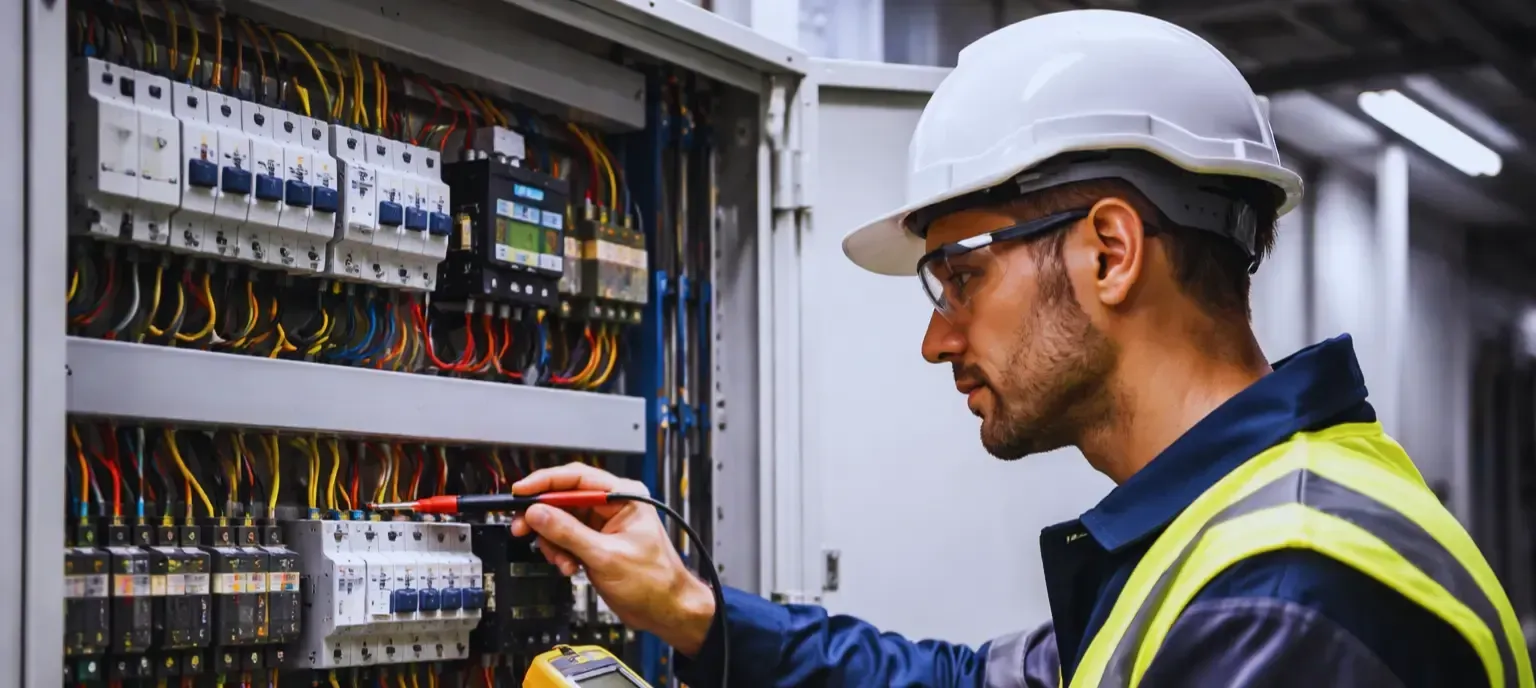
Understanding the process can demystify it and help you see the value. When you schedule one of our comprehensive electrical services, a licensed electrician from A.T. Electric LLC will conduct a thorough, non-invasive assessment of your entire system. This typically includes:
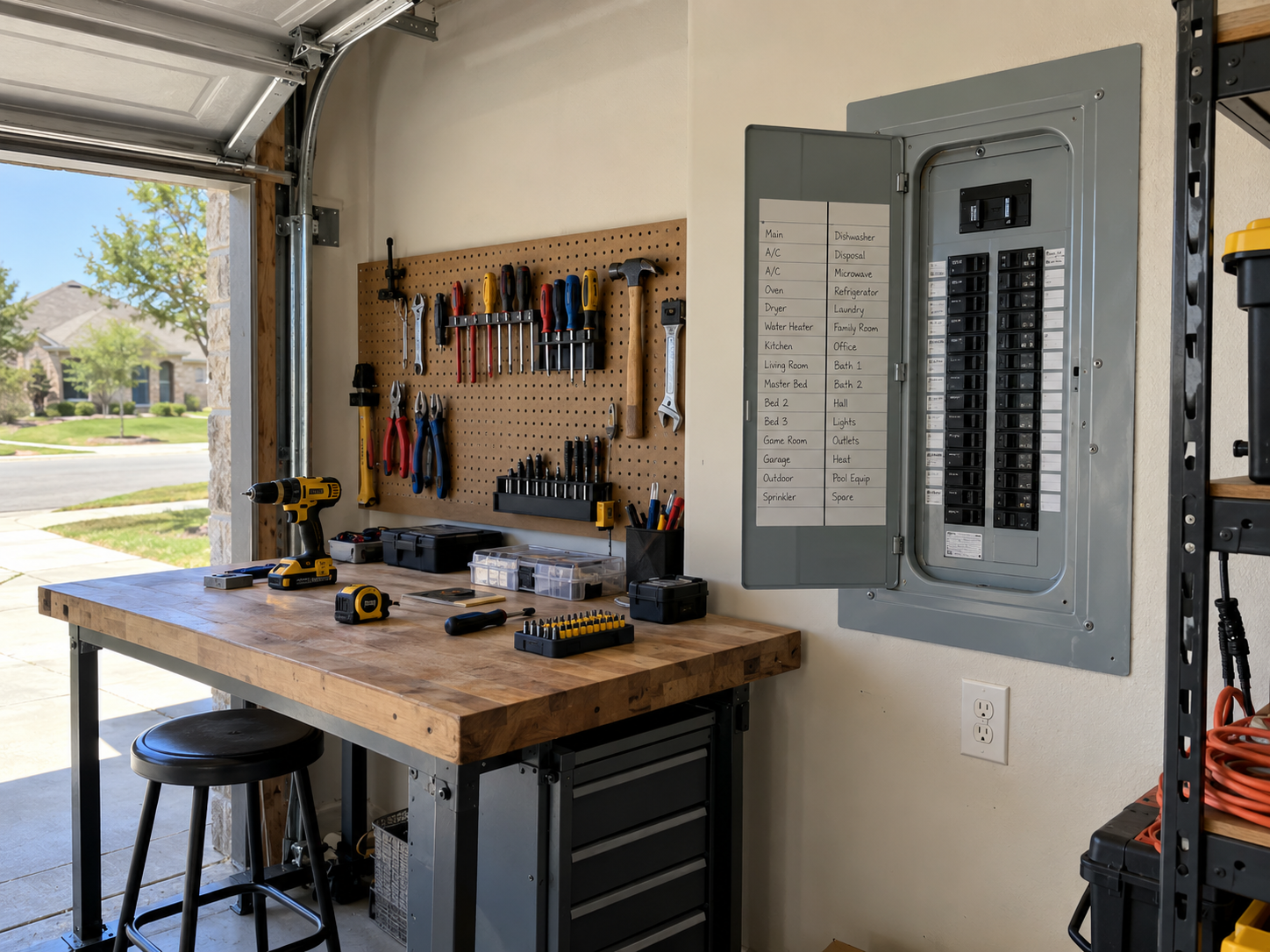
- Main Panel Examination: We check the electrical panel for proper grounding, bonding, and appropriate breaker sizing. We look for any signs of overheating, corrosion, or outdated components.
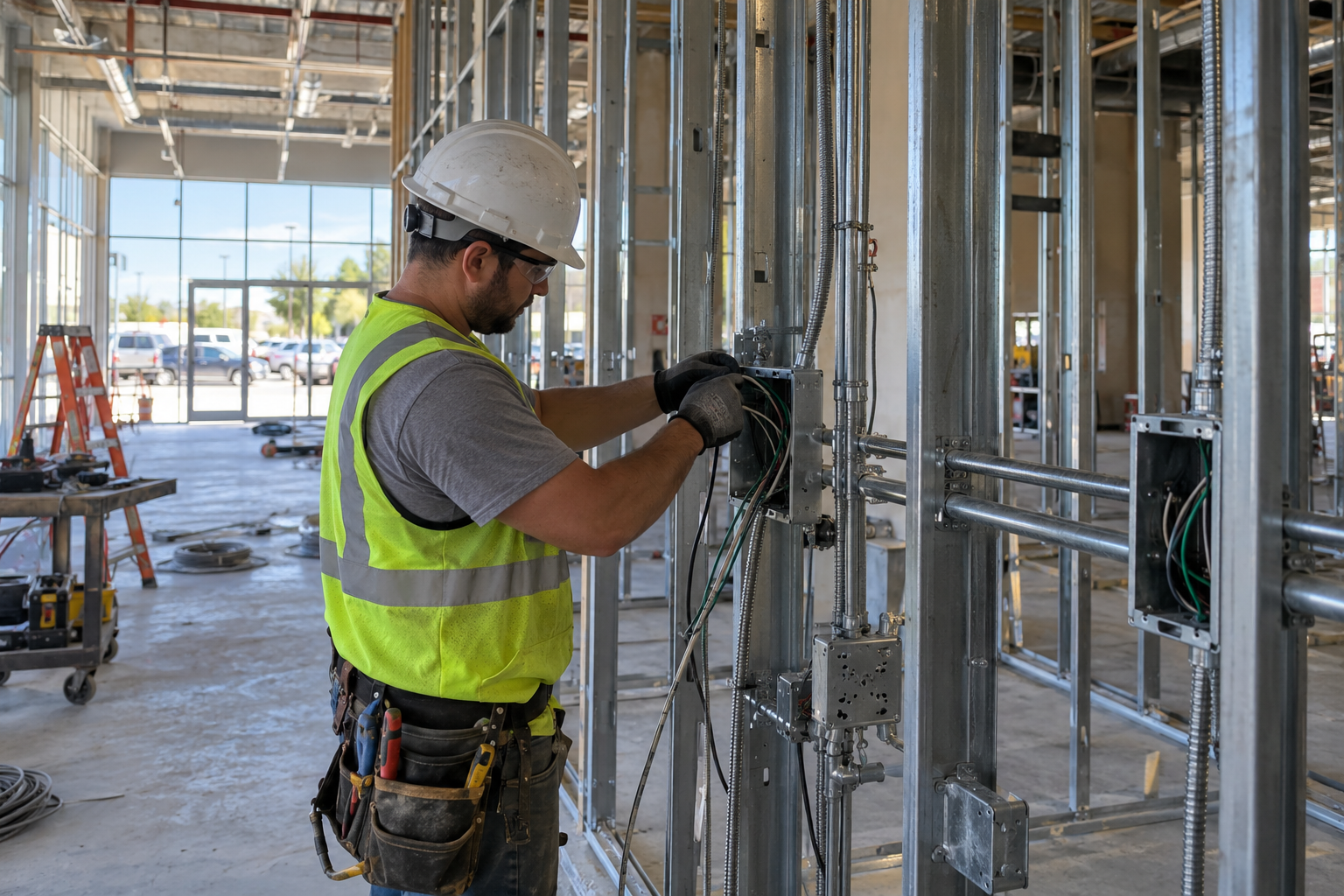
- Wiring and Conductor Assessment: We identify the type of wiring used throughout your home and inspect accessible areas for signs of damage, wear, or improper installation.
- Outlet and Switch Verification: We test a representative sample of outlets and switches to ensure they are wired correctly, functioning safely, and have proper GFCI/AFCI protection where required.
- Safety System Check: We verify the presence and functionality of smoke and carbon monoxide detectors, as they are a critical part of your home's overall electrical safety net.
- The Comprehensive Report: After the inspection, you will receive a detailed report outlining our findings. It will categorize any issues by priority—from critical safety hazards that need immediate attention to minor recommendations for future upgrades. We take the time to walk you through this report, ensuring you understand the state of your system and your options moving forward.
Your Partner in Electrical Safety and Security
Your home's electrical system is too important to leave to chance. An electrical inspection is a powerful tool for protecting your family, your property, and your finances. It provides the clarity and peace of mind that come from knowing your home is not just comfortable, but truly safe. By moving from a reactive to a proactive approach, you can prevent disasters, save money, and ensure your home's electrical system is ready for the future.
Ready to take the next step towards a safer, more efficient home? Contact A.T. Electric LLC today to schedule your comprehensive electrical inspection. Let our team of experts provide you with the detailed insights you need to power your life safely and confidently.
Frequently Asked Questions
How often should I get an electrical inspection?
It's a good practice to have a professional electrical inspection every 5-10 years for a typical family home. However, you should schedule one immediately if you are buying a property, your home is over 40 years old, you're planning major renovations, or you are experiencing any warning signs like frequent breaker trips or flickering lights.
Can I do an electrical inspection myself?
While you can visually check for obvious issues like discolored outlets or frayed cords, a true electrical inspection should only be performed by a licensed and qualified electrician. They have the training, specialized tools, and knowledge of local and national electrical codes to identify complex and hidden dangers that are invisible to the untrained eye.
What's the difference between a home inspection and an electrical inspection?
A general home inspection provides a broad overview of the entire property, including plumbing, roofing, and structure. The electrical portion is typically brief—the inspector might test a few outlets and glance at the panel. A dedicated electrical inspection, performed by a licensed electrician, is a deep-dive, comprehensive analysis of the entire electrical system, from the service drop to individual outlets, providing a much more detailed and authoritative assessment of its safety and condition.
How long does a professional electrical inspection take?
The duration of an inspection can vary depending on the size and age of your home. For an average-sized single-family home, a thorough inspection typically takes between 2 to 4 hours. The electrician needs time to carefully examine the panel, accessible wiring, outlets, and fixtures to provide a complete and accurate report.