Powering Your Success: The Ultimate Guide to Commercial Electrical Services
In the modern business landscape, electricity isn't just a utility; it's the lifeblood of your operation. From the point-of-sale systems processing transactions to the servers storing critical data and the lights that create a welcoming environment for customers and a productive space for employees, every aspect of your business relies on a steady, safe, and efficient flow of power. A flicker, a surge, or an outage isn't a minor inconvenience—it's a direct threat to your productivity, profitability, and reputation. This is why partnering with a reliable commercial electrical services provider is one of the most critical investments you can make. Here at A.T. Electric LLC, we understand that your success is powered by our expertise.
This comprehensive guide will walk you through the essentials of commercial electrical systems, the critical services that keep your business running, and how to choose a qualified electrical partner you can trust to protect your investment. Whether you're running a bustling restaurant, a multi-story office building, a retail storefront, or an industrial facility, understanding your electrical needs is the first step toward a more secure and successful future.
The High Stakes: Why Commercial Electrical Systems Are a Different Beast
Many business owners mistakenly believe that electricity is the same everywhere. However, a commercial electrical system is fundamentally different from its residential counterpart in complexity, load demands, and regulatory requirements. Understanding these differences highlights the need for a specialized commercial electrician.
Key Differences Between Commercial and Residential Electrical Systems:
- Power Loads: Commercial properties consume significantly more power. They run heavy-duty machinery, extensive HVAC systems, complex lighting grids, and a high density of computers and servers. This requires three-phase power systems, as opposed to the single-phase power typical in homes, to provide a more stable and reliable current for demanding equipment.
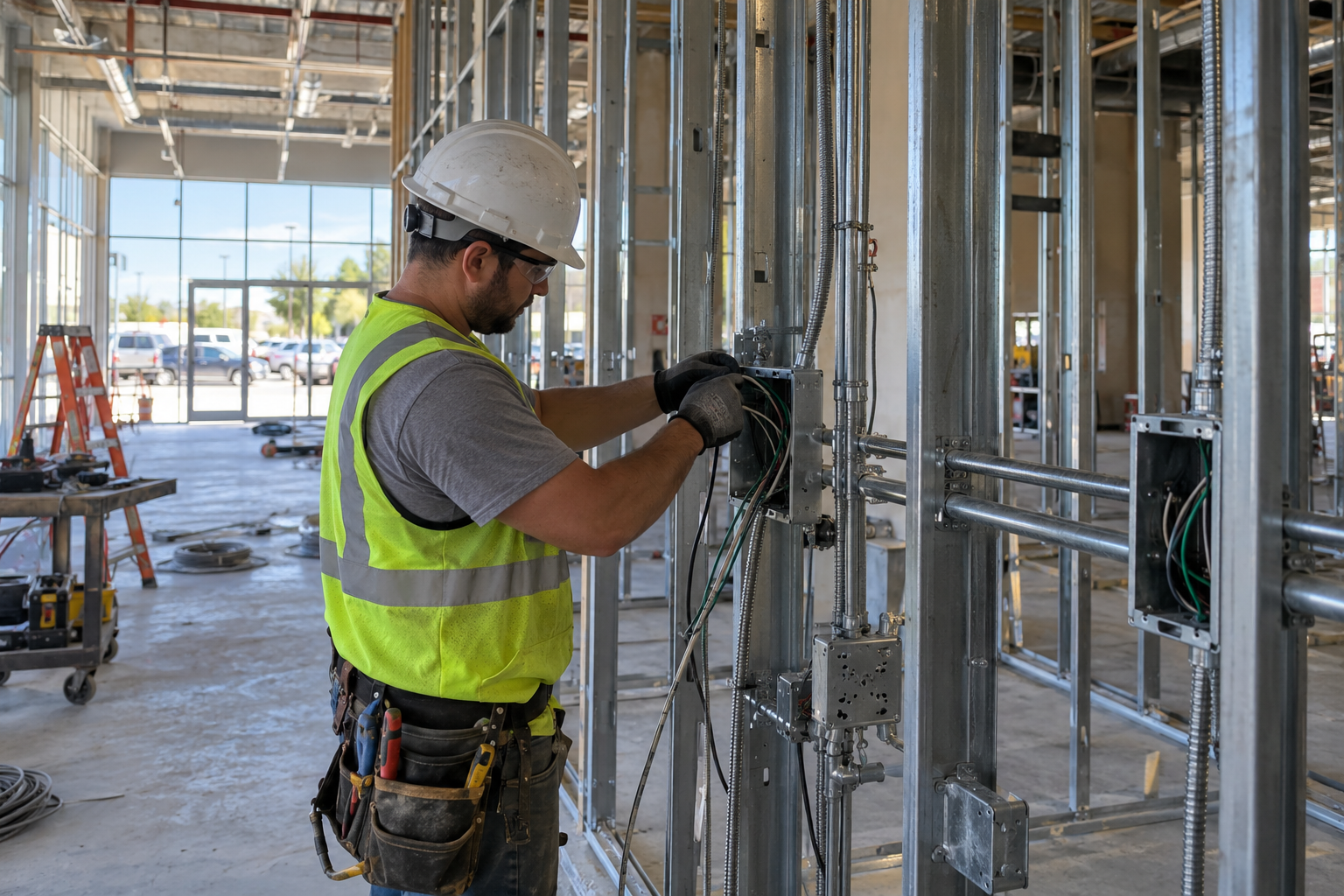
- Wiring and Components: The wiring in commercial buildings is more robust to handle higher voltages and constant use. Conduit is often required to protect wiring from damage in high-traffic or industrial environments, a standard not typically seen in residential construction. All components, from outlets to panels, are commercial-grade for durability and safety.
- Code and Compliance: Commercial electrical codes, governed by the National Electrical Code (NEC) and local regulations, are far more stringent. These codes dictate everything from wire placement and circuit loads to emergency lighting and fire suppression system integration. Non-compliance can lead to failed inspections, hefty fines, and even business closure.
The consequences of neglecting these complexities are severe. An improperly installed or maintained system can lead to devastating electrical fires, life-threatening electrical shock hazards, costly equipment damage from power surges, and crippling operational downtime. That's why you need a partner who specializes in this demanding environment. You can learn more about our commitment to safety and quality on our About Us page.
Core Commercial Electrical Services That Safeguard Your Operations
A proactive approach to your electrical infrastructure is key. A full-service commercial electrical contractor provides a range of services designed to ensure safety, efficiency, and reliability. Let's explore the most critical services your business needs.
1. Expert Electrical Installation and System Upgrades
Whether you're building a new facility, renovating an existing space, or expanding your operations, proper installation is paramount. A professional commercial electrician ensures your system is designed and installed to meet your specific needs and all applicable codes.
- New Construction Wiring: Designing and implementing the entire electrical backbone for a new building.
- Tenant Fit-Outs: Customizing the electrical system for a new tenant's specific requirements in a commercial space.
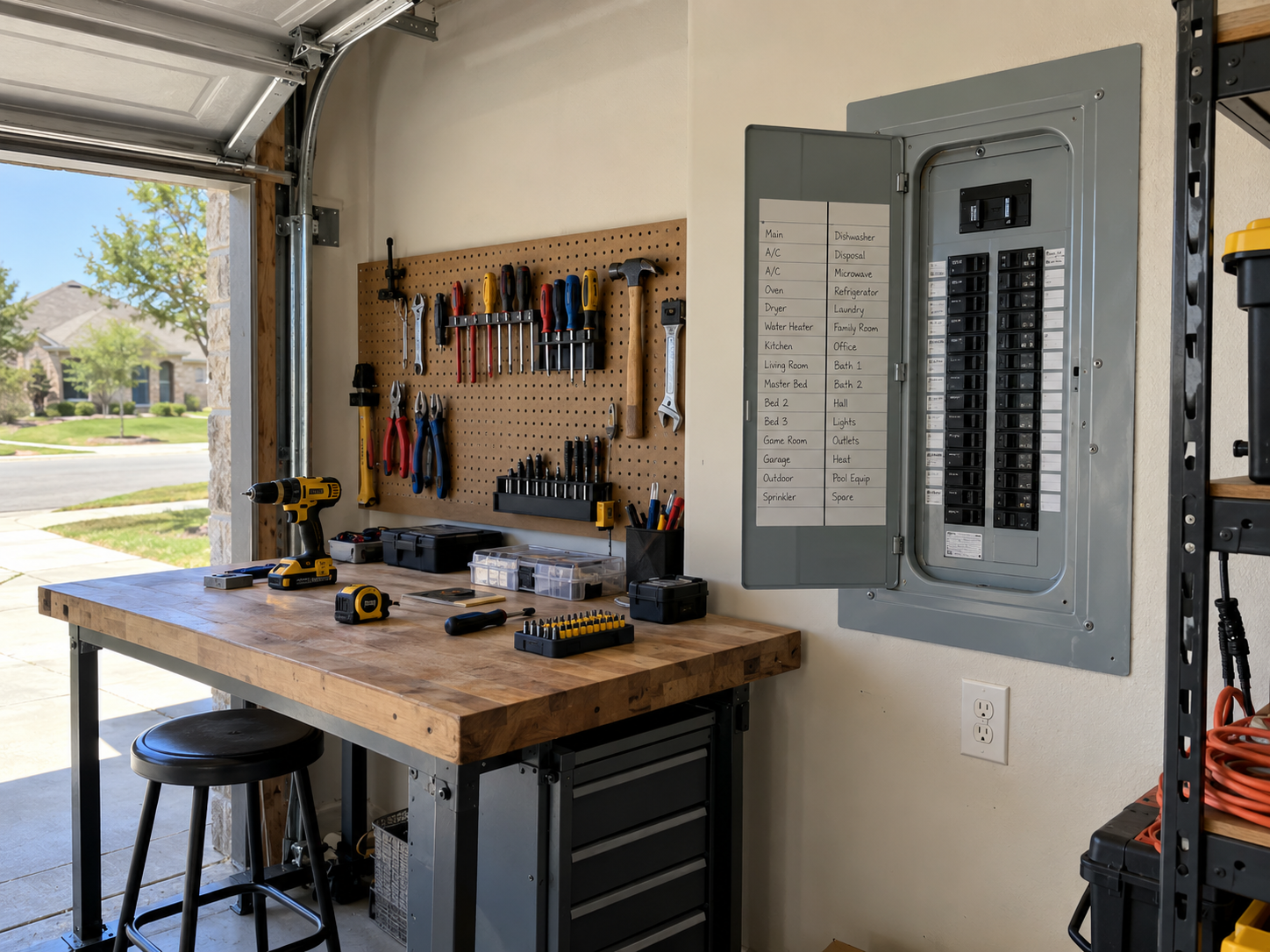
- Panel Upgrades: Upgrading your main electrical panel to handle increased power demands from new equipment or technology, preventing overloaded circuits.
- Dedicated Circuits: Installing separate circuits for high-draw equipment (like commercial ovens, servers, or medical devices) to prevent tripping breakers and ensure stable power.
2. Advanced Lighting Solutions for Efficiency and Ambiance
Lighting does more than just illuminate a space; it affects employee productivity, customer experience, and your bottom line. Modern lighting solutions offer significant benefits.
- LED Retrofitting: Upgrading from outdated fluorescent or incandescent lighting to energy-efficient LEDs can reduce your lighting-related energy costs by up to 75% and drastically lower maintenance needs due to their long lifespan.
- Security Lighting: Properly designed and installed exterior lighting deters crime, improves safety for employees and customers, and enhances your property's nighttime visibility.
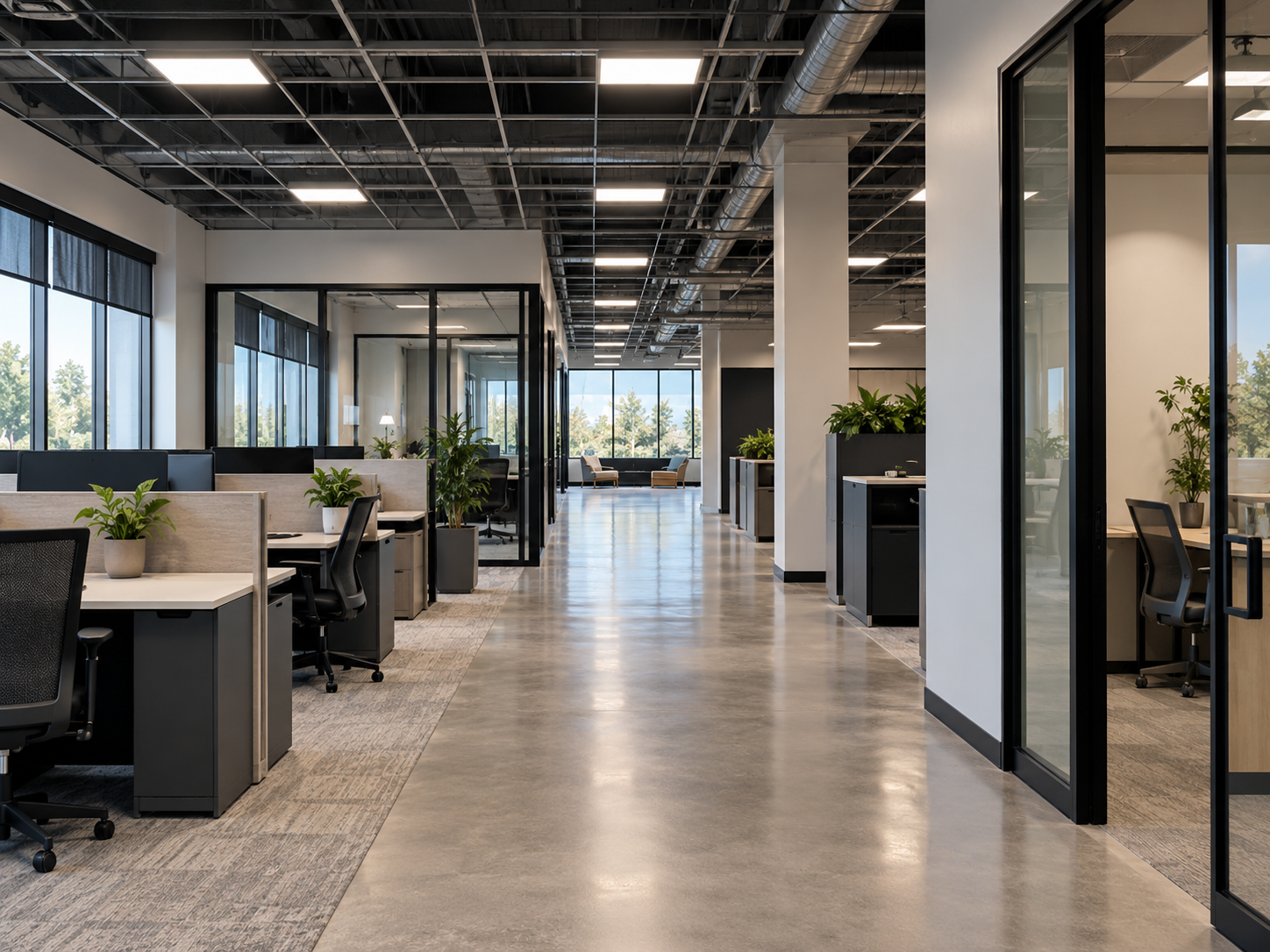
- Customized Interior Lighting: From recessed lighting in an office to track lighting in a retail store, the right lighting design can create the perfect atmosphere to enhance your brand and boost sales.
3. Proactive Electrical Safety and Compliance
Ensuring your electrical system is safe and up to code is a non-negotiable responsibility. A qualified electrician helps you stay compliant and protect your assets.
- Code Corrections: Identifying and rectifying any violations of the NEC or local electrical codes found during an inspection.
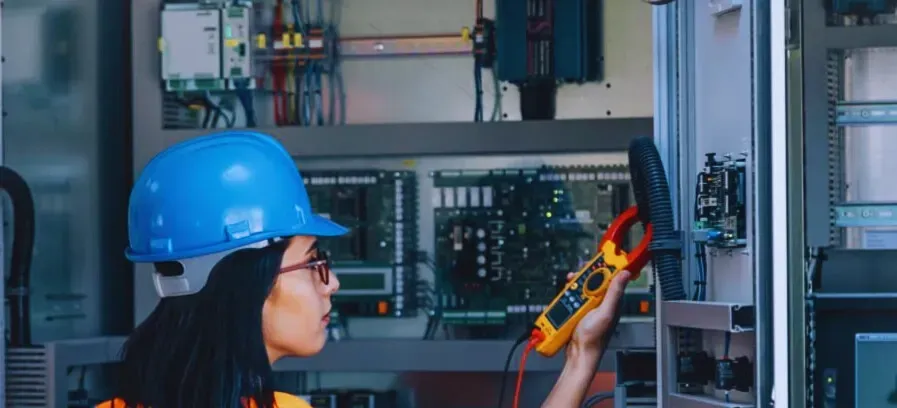
- Comprehensive Safety Audits: A thorough inspection of your entire electrical system to identify potential hazards like faulty wiring, overloaded circuits, or outdated components.
- Surge Protection: Installing commercial-grade surge protectors at the main panel to shield all your sensitive electronics and equipment from damaging voltage spikes caused by lightning or utility grid fluctuations.
4. Preventative Maintenance Programs
The most effective way to handle an electrical disaster is to prevent it from happening in the first place. A preventative maintenance plan is a small investment that pays huge dividends by identifying and addressing minor issues before they become major, costly failures.
| Maintenance Task | Purpose | Frequency |
|---|---|---|
| Infrared Thermography Scans | Identifies 'hot spots' in panels and connections that indicate a potential failure point. | Annually |
| Panel and Breaker Testing | Ensures breakers will function correctly during an overcurrent event. | Every 1-3 Years |
| Re-torquing Connections | Prevents loose connections, a common cause of electrical arcing and fires. | Annually |
| Visual Inspection | Checks for signs of wear, damage, or corrosion on wiring and components. | Annually |
5. Emergency Electrical Services and Rapid Troubleshooting
When the power goes out, every minute counts. Having a reliable 24/7 emergency electrician on call is crucial. Professional troubleshooting services use advanced diagnostic tools to quickly identify the root cause of an issue—be it a faulty breaker, a short circuit, or a problem with a specific piece of equipment—and implement a swift, effective repair to get you back online. For a full list of what we offer, check out our primary services page.
6. Specialty Electrical Services for Modern Businesses
The needs of businesses are constantly evolving. A forward-thinking electrical partner can help you integrate the latest technologies.
- Commercial EV Charger Installation: As electric vehicles become more common, offering EV charging for your employees or customers can be a valuable amenity and a sign of your company's commitment to sustainability.
- Generator Installation and Maintenance: A commercial standby generator automatically provides power within seconds of an outage, ensuring your critical systems remain operational.
- Data and Communication Cabling: Structured cabling for ethernet and communication systems is the backbone of your business's IT infrastructure.
Choosing the Right Partner: What to Look for in a Commercial Electrician
Selecting an electrical contractor is a decision that directly impacts your business's safety and continuity. Look for a partner, not just a provider. Here are the key criteria to consider:
- Proper Licensing and Insurance: This is the absolute minimum. Verify that the contractor holds the appropriate state and local licenses for commercial work and carries substantial liability and workers' compensation insurance.
- Proven Commercial Experience: Ask for a portfolio of past commercial projects similar to yours. An electrician who primarily works on residential projects may not have the expertise to handle the complexities of your system.
- Stellar Reputation and References: Check online reviews and ask for references from other local businesses. A reputable company will have a long track record of satisfied clients.
- Commitment to Safety: Inquire about their safety program and record. A professional contractor prioritizes the safety of their team and your property above all else.
- Transparent Communication: A trustworthy partner provides clear, detailed estimates, communicates proactively about project timelines, and is readily available to answer your questions.
At A.T. Electric LLC, we pride ourselves on embodying these principles. We believe in building long-term relationships with our clients, serving as their trusted advisor for all things electrical. Our mission is to provide the peace of mind that comes from knowing your business is powered safely and reliably. Explore our homepage to learn more about our philosophy.
Conclusion: Invest in Reliability, Invest in Your Business
Your commercial electrical system is a foundational asset that supports every single one of your business goals. Treating it as an afterthought is a risk that can lead to catastrophic financial and operational losses. By understanding your system's unique demands, embracing a proactive maintenance strategy, and—most importantly—partnering with a qualified, experienced, and reliable commercial electrical contractor, you are making a direct investment in your business's longevity and success. Don't wait for a flicker or a failure to take action. Secure your power, and you secure your future.
Ready to ensure your business's electrical system is a source of strength, not stress? Contact the experts at A.T. Electric LLC today for a comprehensive consultation and learn how we can help power your success.
Frequently Asked Questions
What's the difference between a commercial and a residential electrician?
A commercial electrician specializes in the more complex, three-phase power systems used in businesses and industrial settings. They are experienced with higher voltage applications, different types of wiring (like conduit), and must adhere to much stricter safety and building codes than residential electricians. Their expertise covers everything from retail lighting to industrial machinery wiring.
How often should my commercial property have an electrical inspection?
It's generally recommended that a commercial property undergo a thorough electrical safety inspection by a qualified electrician at least once a year. This is especially important for older buildings or businesses that use heavy-duty electrical equipment. Regular inspections, as part of a preventative maintenance plan, can identify potential hazards before they become serious problems.
What are the main benefits of upgrading our business lighting to LED?
Upgrading to LED lighting offers three major benefits. First, it provides significant energy savings, often reducing lighting-related electricity consumption by 50-75%. Second, LEDs have a much longer lifespan than traditional bulbs, which drastically reduces maintenance and replacement costs. Third, they offer superior light quality, which can improve employee productivity and enhance the customer experience in retail or hospitality environments.
Why is a dedicated circuit important for certain equipment?
High-powered equipment like commercial refrigerators, servers, copiers, or specialized machinery draws a large amount of electricity. A dedicated circuit ensures that this equipment has its own breaker and wiring directly to the electrical panel. This prevents it from overloading a shared circuit, which could cause frequent breaker trips, damage the equipment, or even create a fire hazard.