Is Home Automation Worth It? Key Benefits You Need to Know
Have you ever wished you could control your entire home with just a few taps on your phone? Or maybe save money on your energy bills without having to think about it? Home automation might be the answer you're looking for. But is it really worth the investment? Let's explore the key benefits and considerations to help you decide if smart home technology is right for you.
Understanding Home Automation Systems
What Exactly is Home Automation?
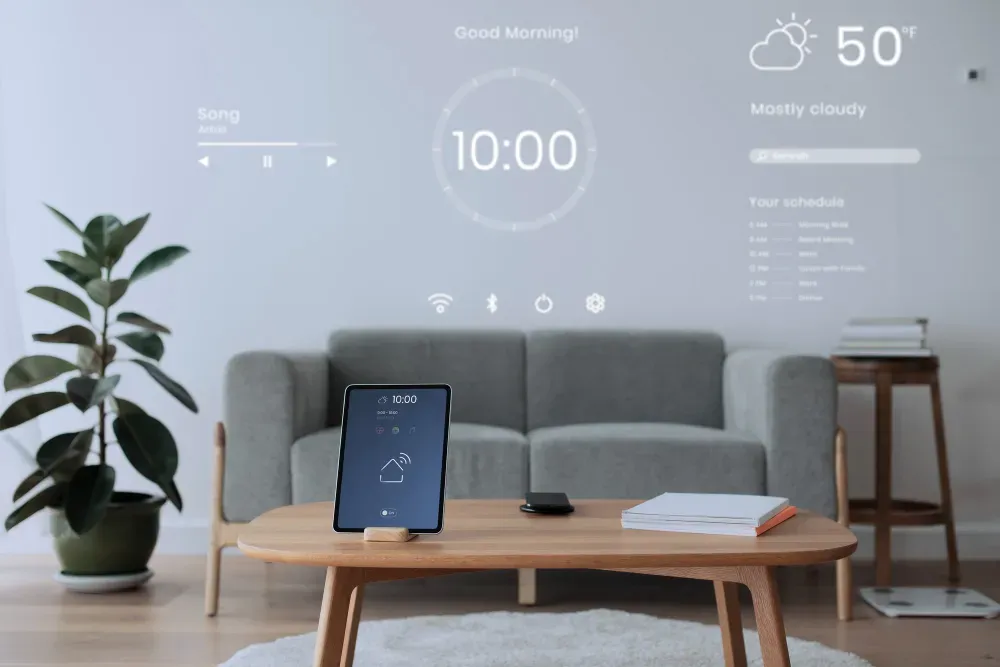
Home automation is all about making your house work smarter, not harder. It's the technology that allows you to control and monitor various systems in your home automatically or remotely. Think lights that turn on when you enter a room, thermostats that learn your schedule, or doors that lock themselves when you leave.
The heart of any smart home is the ability to connect different devices and have them work together. This creates a seamless experience that makes your life easier and your home more efficient.
The Evolution of Smart Home Technology
Smart home technology isn't new, but it has come a long way in recent years. What started as simple remote controls has now evolved into sophisticated systems that can learn your preferences and make decisions on their own.
From Basic Remote Controls to AI-Powered Systems
Early home automation was limited to basic functions like garage door openers or simple light timers. Today's systems use artificial intelligence to understand your habits and adjust accordingly. Your smart thermostat can learn when you're typically home and adjust the temperature before you arrive. Your lighting can mimic your usual patterns when you're away to deter burglars.
The real game-changer has been the development of voice assistants like Alexa, Google Assistant, and Siri. These tools make controlling your home as simple as speaking a command.
Top Benefits of Home Automation
Enhanced Convenience and Comfort
The most obvious benefit of home automation is convenience. Imagine walking into your house with your arms full of groceries, and the lights turn on automatically. Or getting into bed and saying "goodnight" to have your system lock the doors, turn off the lights, and set the alarm.
Smart homes save you time and reduce the small hassles of daily life. No more walking around the house to check if all the lights are off or wondering if you remembered to lock the door after you've left for vacation.
Many homeowners report that once they experience the convenience of automation, they can't imagine going back to manual controls.
Improved Energy Efficiency and Cost Savings
One of the biggest practical benefits of home automation is the potential for energy savings. Smart thermostats, lighting, and appliances can significantly reduce your energy consumption without sacrificing comfort.
Smart thermostats learn your schedule and preferences, heating or cooling your home only when needed. Motion sensors ensure lights aren't left on in empty rooms. Smart plugs can cut power to devices that would otherwise draw phantom energy when not in use.
These small savings add up quickly. Many homeowners report saving 10-25% on their energy bills after installing smart home systems. Over time, these savings can offset the initial cost of installation.
Advanced Security Features
Security is a major concern for most homeowners, and smart systems offer peace of mind that traditional security can't match.
Smart doorbells let you see who's at your door even when you're not home. Connected cameras can alert you to unusual activity and record evidence if needed. Smart locks eliminate the security risk of lost keys and let you grant temporary access to visitors or service providers.
Remote Monitoring and Alerts
Perhaps the most valuable security feature is the ability to monitor your home from anywhere. Whether you're at work or on vacation, you can check in on your home through your smartphone.
Get alerts if someone enters your home unexpectedly or if there's water detected in your basement. See live video feeds of your property or review recorded footage. This constant connection to your home provides invaluable peace of mind.
Accessibility Benefits for Everyone
Smart home technology isn't just convenient—it can be life-changing for people with mobility challenges or disabilities. Voice controls and automated systems make daily tasks easier for everyone.
For elderly family members, smart homes can enable independent living for longer. Automatic lighting reduces fall risks. Smart medication dispensers provide reminders. Video doorbells allow them to see visitors without having to get up.
For people with disabilities, automation removes barriers and increases independence. Tasks that were once difficult or impossible can become effortless with the right technology.
Professional Home Automation Installation Services
Why Hire Professional Electricians for Smart Homes
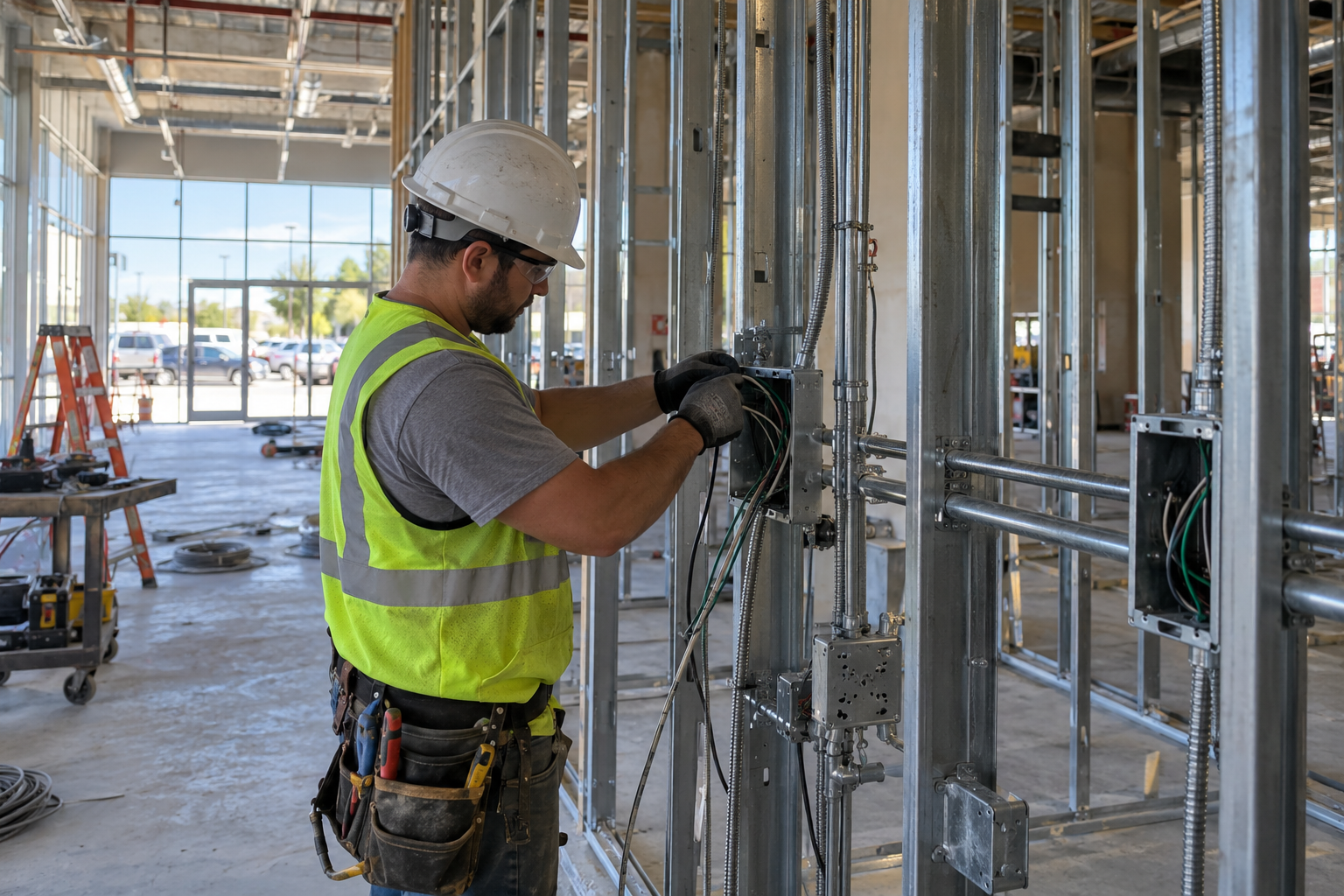
While some smart home devices are designed for easy DIY installation, many of the more powerful and integrated systems require professional expertise—particularly when it comes to the electrical work.
Professional electricians who specialize in smart home technology understand how these systems work together. They can help you design a system that meets your needs and ensure everything is properly integrated.
Safety and Code Compliance
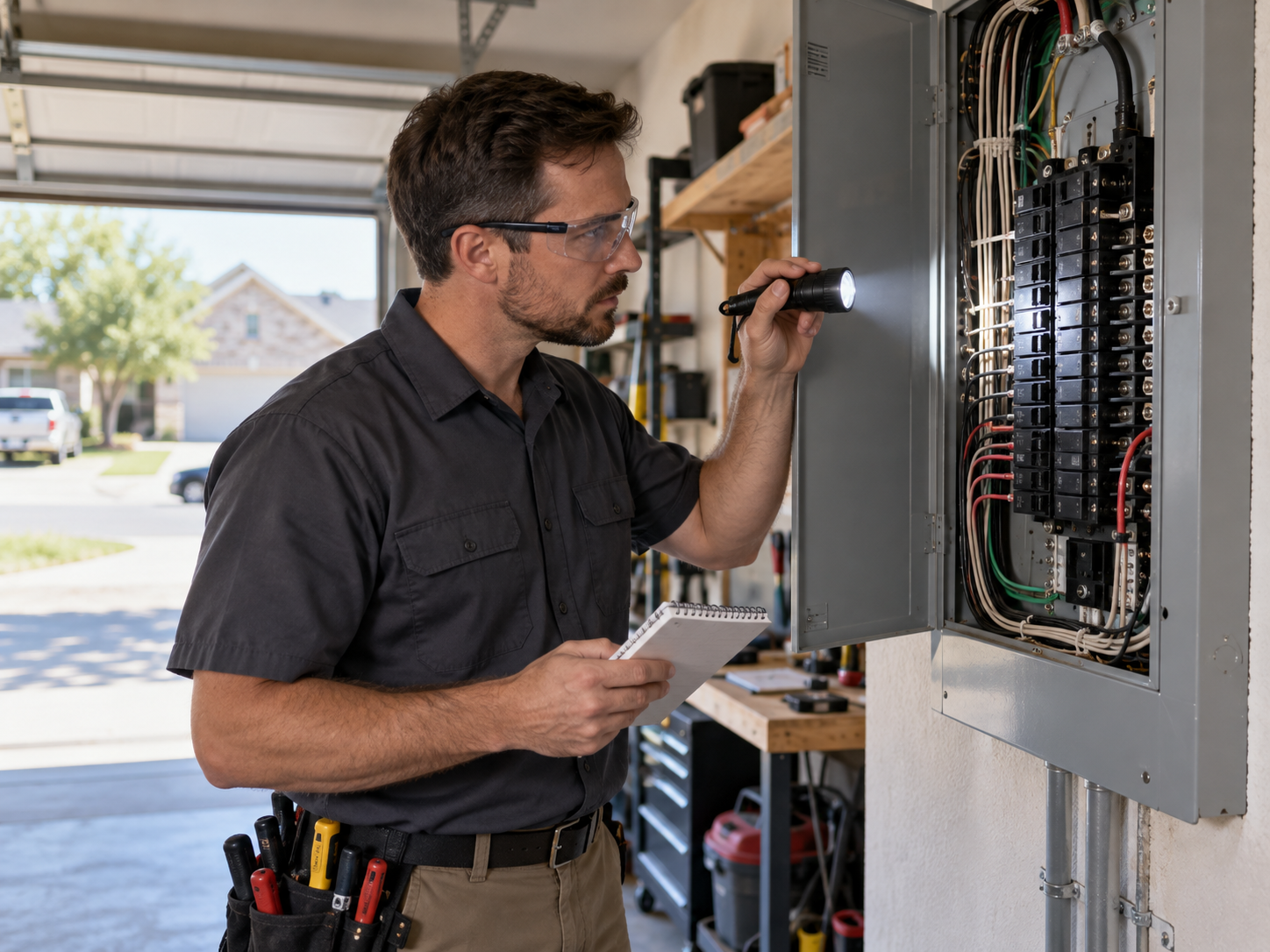
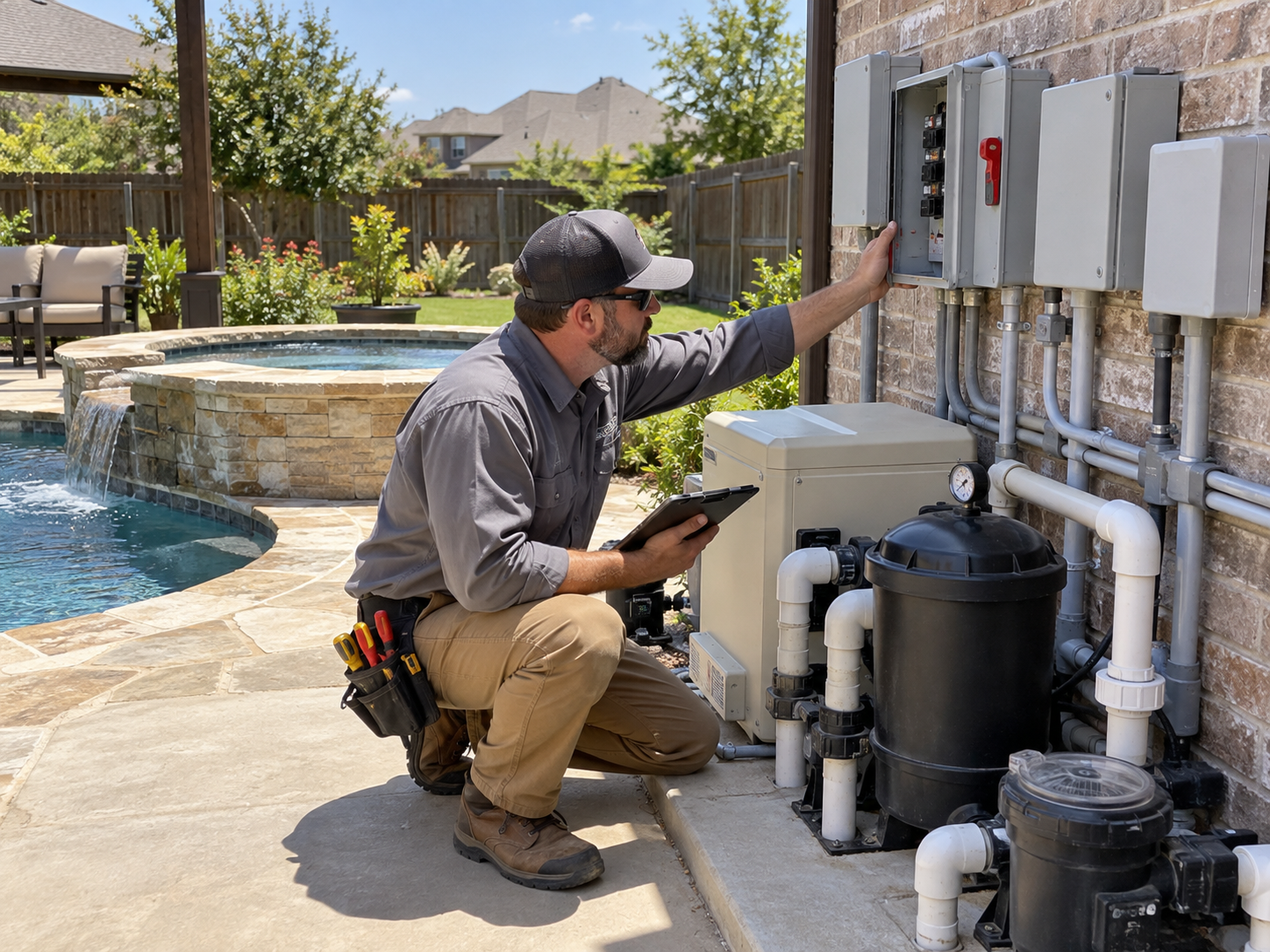
Working with electricity is always serious business. Professional electricians understand local building codes and safety requirements. They know how to install systems that won't overload your circuits or create fire hazards.
Many homeowners don't realize that DIY electrical work can void insurance policies or create code violations. Professional installation protects your investment and your home.
Proper Wiring for Home Automation Systems
The backbone of any smart home is its wiring infrastructure. While many devices are wireless, the most reliable and powerful systems still rely on hardwired connections for critical components.
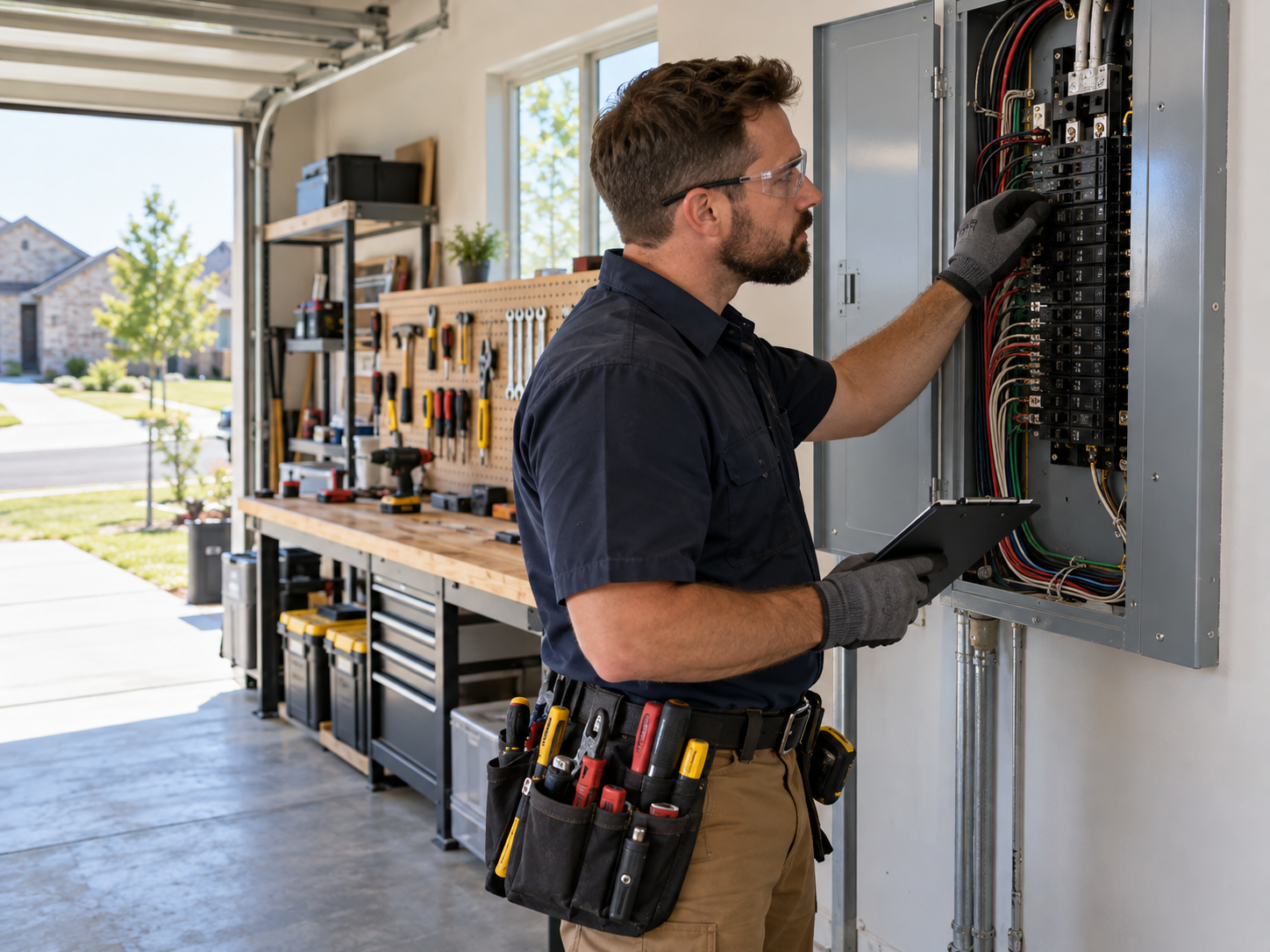
Professional electricians can install dedicated circuits for your smart home hub, run ethernet cables for reliable networking, and ensure your electrical panel can handle the additional load of new devices.
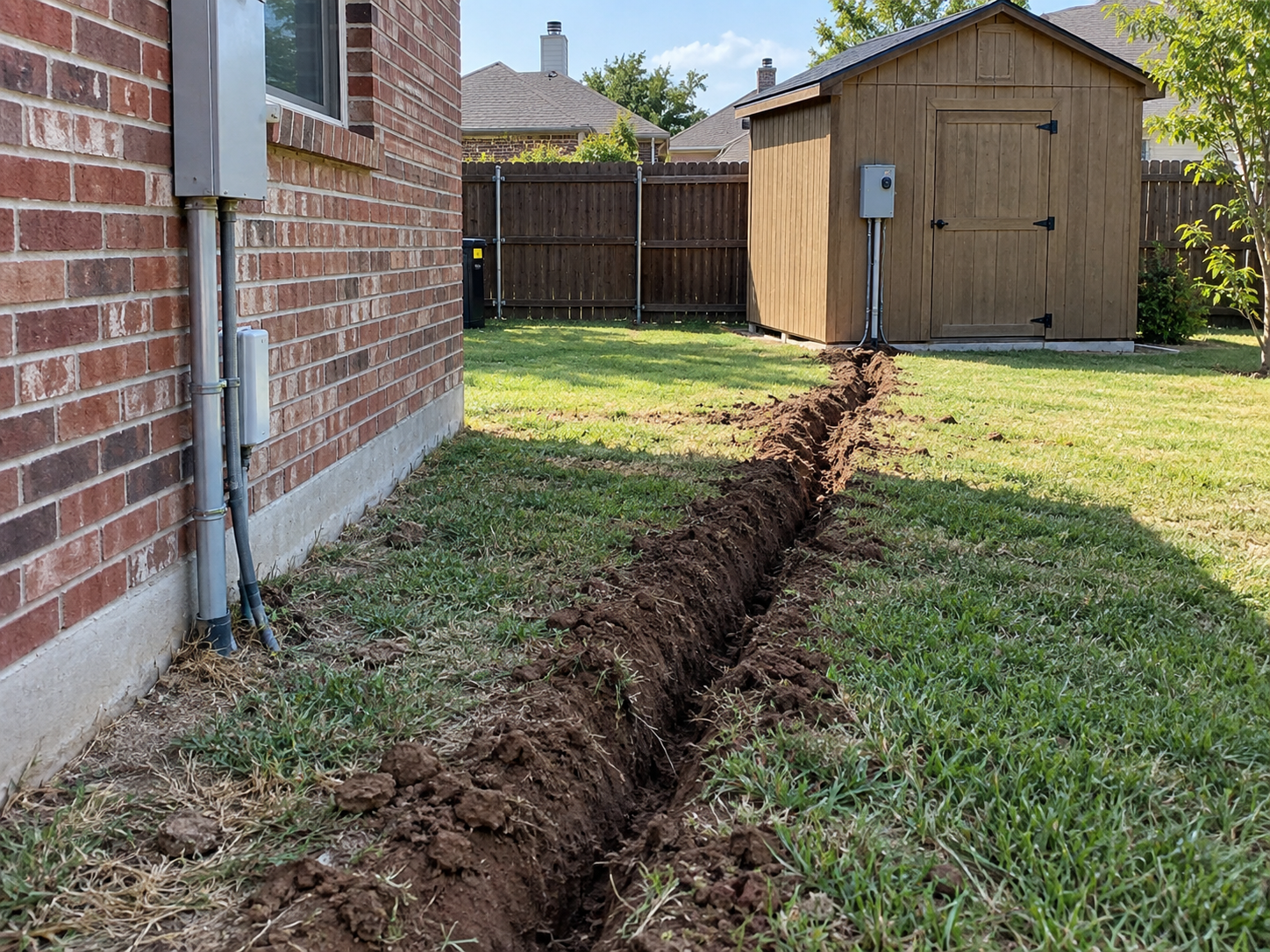
They can also help future-proof your home by installing conduit that makes it easier to upgrade wiring later as technology evolves.
Avoiding Common DIY Pitfalls
Many homeowners start their smart home journey with enthusiasm, only to end up frustrated when systems don't work together or perform as expected. Professional installers have seen these problems before and know how to avoid them.
Common issues include Wi-Fi dead zones, incompatible devices, and systems that work individually but not together. Professionals can recommend compatible products, optimize your network, and create a cohesive system that's reliable and easy to use.
Smart Home Electrical Upgrades Worth Considering
Essential Wiring Updates for Modern Smart Homes
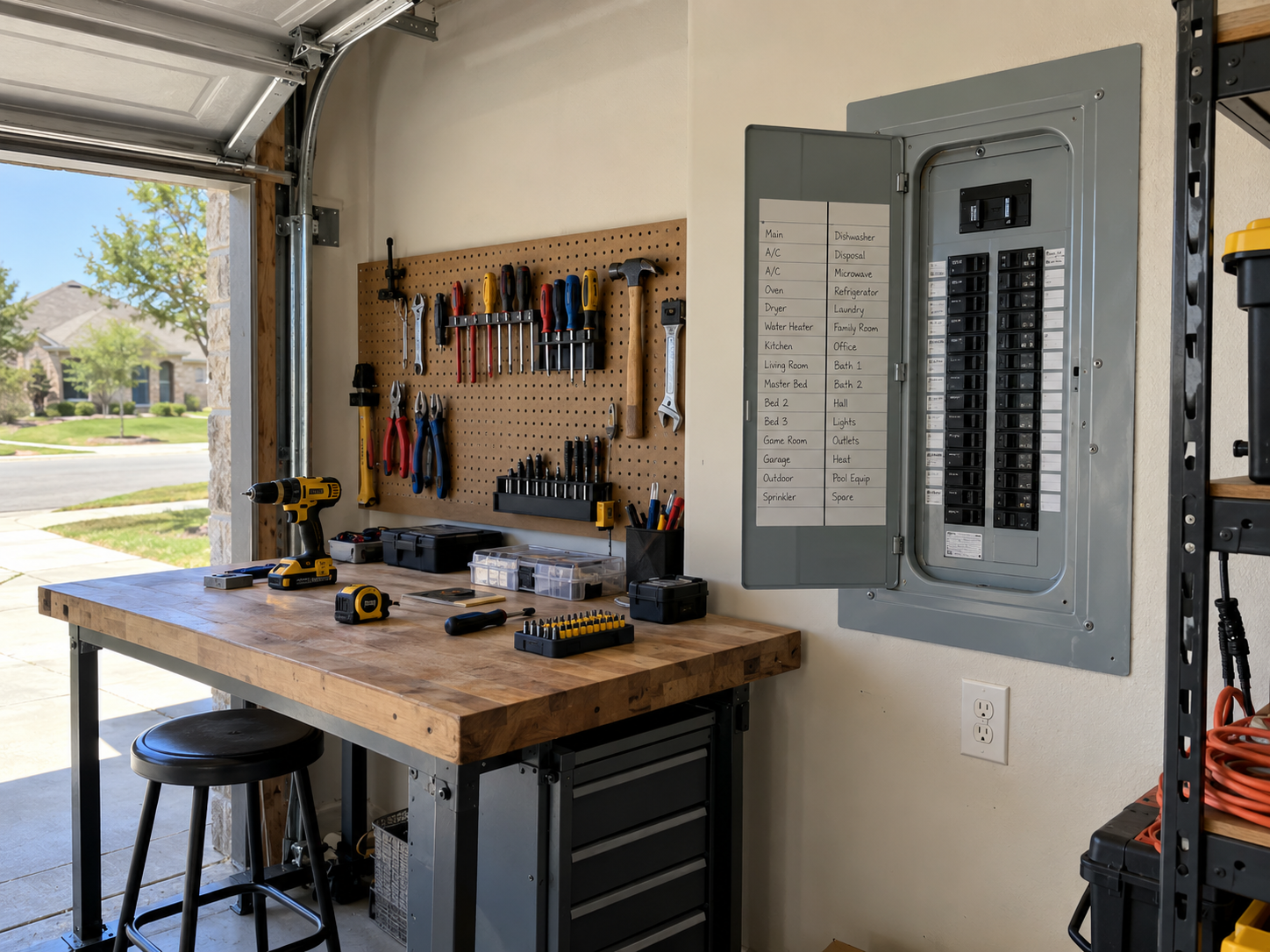
If your home is more than 20 years old, you might need electrical upgrades before adding smart technology. Many older homes don't have the electrical capacity or the right type of wiring to support modern systems.
Key upgrades often include:
- Updating your electrical panel to handle increased load
- Adding dedicated circuits for critical systems
- Installing proper grounding for sensitive electronics
- Running Cat6 ethernet cable for reliable connectivity
These upgrades aren't just about supporting smart technology—they make your home safer and more functional for all modern devices.
Energy-Efficient Lighting Systems
Smart lighting is often the gateway to home automation for many homeowners. It's relatively affordable, easy to implement, and provides immediate benefits.
Modern LED smart bulbs use up to 80% less energy than traditional incandescent bulbs while lasting much longer. Combined with motion sensors and automated schedules, smart lighting can dramatically reduce your electricity use.
Color-changing bulbs can also enhance your home's atmosphere, allowing you to adjust the warmth and brightness of your lighting based on time of day or activity.
Smart Thermostats and HVAC Controls
Heating and cooling typically account for about half of a home's energy use, making this area ripe for smart upgrades. Smart thermostats do more than allow remote control—they learn your preferences and optimize your HVAC system's performance.
Some advanced systems include room-by-room temperature control through smart vents or zoning systems. This prevents wasting energy heating or cooling rooms that aren't being used.
Maximizing Energy Savings Through Integration
The real power of smart HVAC comes from integration with other systems. When your thermostat can communicate with your window sensors, it can automatically adjust when windows are left open. When it connects to your security system, it can switch to away mode when you arm the alarm.
Some systems can even check weather forecasts and adjust accordingly or track energy prices to run your HVAC when electricity costs are lowest.
Cost vs. Value Analysis
Initial Investment vs. Long-Term Returns
Let's be honest—home automation requires an upfront investment. Basic DIY systems might start around $500, while professionally installed comprehensive systems can run $5,000 or more depending on the size of your home and the features you want.
However, the long-term returns can make this investment worthwhile:
- Energy savings of 10-25% annually
- Potential insurance discounts (some providers offer 5-15% off for smart security)
- Reduced need for services like professional monitoring
- Extended life of appliances through more efficient use
For most homeowners, the break-even point comes within 2-5 years, after which the systems continue to provide ongoing savings.
Increase in Property Value
Smart home features are increasingly becoming selling points in the real estate market. A 2021 survey found that 69% of home buyers would pay more for a home with smart technology already installed.
Real estate experts suggest that homes with smart features can command premiums of 3-5% compared to similar properties without these upgrades. For a $300,000 home, that could mean an additional $9,000-$15,000 in value.
The most valuable upgrades tend to be those that enhance security, save energy, and integrate seamlessly into the home's design.
Making Smart Choices for Your Budget
Not everyone needs a fully automated home. The key is identifying which features would most benefit your lifestyle and focusing your budget there.
Start with pain points in your daily routine. If you're constantly forgetting to turn things off, focus on automation that handles that. If security is your concern, invest in smart locks and cameras before other features.
Consider starting with a foundation that can be expanded later. Install proper wiring and a quality hub that can integrate with more devices as your budget allows.
Getting Started With Home Automation
Planning Your Smart Home Journey
The most successful smart home projects start with good planning. Before buying any devices:
- Identify your goals and priorities
- Research compatible ecosystems (Apple HomeKit, Amazon Alexa, Google Home)
- Assess your home's electrical and networking infrastructure
- Create a budget and implementation timeline
Remember that you don't have to do everything at once. Many homeowners successfully implement smart home technology in phases over several years.
Finding Trusted Local Professionals
If you decide professional installation is the way to go, take time to find the right electricians and integrators in your area.
Look for professionals who specialize in smart home technology and have certifications from major smart home platforms. Check online reviews, ask for references, and request detailed quotes from multiple providers.
Questions to Ask Before Hiring
When interviewing potential professionals, ask:
- How long have you been installing smart home systems?
- What brands and platforms do you have experience with?
- Can you provide examples of similar projects?
- What kind of support do you offer after installation?
- Do you offer training on how to use the system?
- What warranties or guarantees do you provide?
The right professional will ask you questions too—about your lifestyle, preferences, and how you plan to use your home. This dialogue helps ensure you get a system that truly meets your needs.
Smart home technology has come a long way in recent years, becoming more affordable, reliable, and user-friendly. While it does require an initial investment of time and money, the benefits of convenience, energy savings, security, and accessibility make it worthwhile for many homeowners. Learn More About Us
Whether you're building a new home or updating your current one, thoughtfully implemented automation can transform how you interact with your living space. Start small, focus on features that solve real problems in your daily life, and work with qualified professionals when needed.