Surge Protector vs Power Strip: Costs, Planning Questions, and Professional Evaluation
Key Takeaways
- Standard power strips provide additional outlets but do not necessarily protect against voltage surges.
- Surge protectors help limit damaging voltage spikes reaching connected electronics.
- Joule ratings, protection indicators, and product certifications are important when comparing devices.
- Whole-home surge protection offers another layer of protection through the electrical panel.
- Electrical load, panel condition, grounding, and future equipment needs should influence protection decisions.
What Is the Difference Between a Surge Protector and a Power Strip?
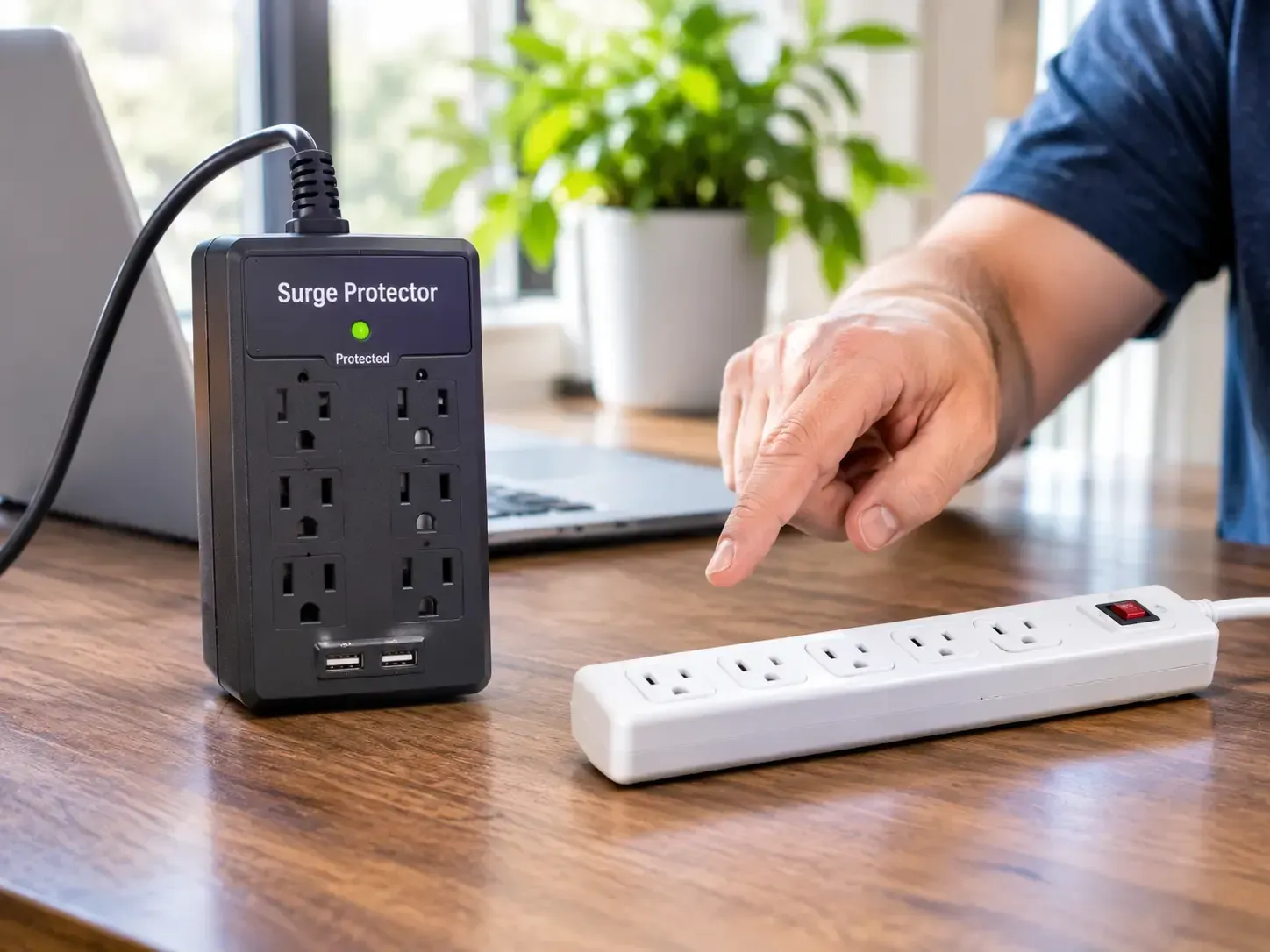
The main difference between these devices is how they handle electrical power. A standard power strip provides additional outlets, allowing multiple devices to share one wall receptacle. A surge protector performs a similar function but also contains components designed to limit sudden voltage increases.
How Does a Standard Power Strip Work?
A standard power strip distributes electricity from one wall outlet to several connected devices. It is useful when a desk, entertainment center, or home office needs more outlets.
For example, a homeowner might use a power strip to connect a desk lamp, phone charger, printer, and monitor. However, adding more outlets does not increase the electrical capacity of the circuit.
A basic power strip does not provide surge protection unless the manufacturer specifically includes that feature.
How Does a Surge Protector Work?
A surge protector helps limit excess voltage before it reaches connected electronics. It typically uses internal protective components to redirect or absorb damaging electrical energy.
These devices are useful for sensitive equipment such as:
- Desktop computers and monitors
- Televisions and gaming systems
- Wi-Fi routers and networking equipment
- Home office electronics
- Audio and entertainment equipment
When comparing products, look for a recognized safety certification, a published joule rating, and a protection indicator. A higher joule rating generally indicates greater energy absorption capacity, although it does not guarantee that one device is better for every application.
Surge Protector vs Power Strip: Which Option Should You Choose?
The right option depends on what you plan to connect and how much protection the equipment needs.
| Comparison | Standard Power Strip | Surge Protector |
|---|---|---|
| Main purpose | Adds electrical outlets | Adds outlets and limits voltage surges |
| Surge protection | Not included unless specified | Included |
| Best use | Basic low-power electronics | Sensitive electronics |
| Protection rating | Usually no joule rating | Often includes a joule rating |
| Status indicator | May include a breaker or switch | Often includes a protection indicator |
A surge protector is usually the better choice for expensive electronics that could be damaged by sudden voltage changes. However, neither device replaces whole-home surge protection.
For Mansfield homeowners with computers, televisions, smart appliances, and modern HVAC equipment, it is worth considering protection at both the electrical panel and individual equipment locations.
What Electrical Problems Can Surge Protectors Help Prevent?
Electrical surges can occur for several reasons. Lightning activity, utility switching, and electrical equipment cycling can contribute to sudden voltage changes.
These events may damage sensitive electronic components even when the interruption is brief.
Damage to Computers and Home Office Equipment
Computers, monitors, routers, and printers contain electronic components that can be sensitive to voltage fluctuations.
A properly selected surge protector can provide an additional layer of protection for connected equipment. This is particularly useful for Mansfield homeowners who work remotely or operate home-based businesses.
Television and Entertainment System Damage
Modern televisions, gaming consoles, streaming devices, and audio receivers contain sensitive circuit boards.
Using a quality surge protector can help reduce exposure to damaging voltage spikes. However, homeowners should also consider whole-home protection when multiple rooms contain expensive electronics.
Protection for Smart Home Equipment
Smart thermostats, security systems, connected lighting, and network equipment depend on electronic controls.
A plug-in surge protector may help protect some of these devices, but hardwired equipment requires a different protection strategy.
What Does Surge Protector vs Power Strip Cost?
The cost difference depends on the device type, protection rating, outlet configuration, and installation requirements.
A basic power strip generally costs less because it primarily provides additional outlets. A surge protector usually costs more because it includes additional protective components.
Whole-home surge protection involves a different investment because the device is installed at the electrical panel by a qualified electrician.
Factors That Affect Surge Protector Costs
1. Protection Rating
Surge protectors come with different joule ratings and voltage protection specifications. Products with higher protection capacities and additional features may cost more.
2. Number of Outlets
Devices with additional outlets, USB charging ports, spaced receptacles, or specialized features may have higher purchase prices.
3. Product Quality and Certification
Look for products tested and listed by recognized safety organizations. In the United States, UL 1449 is an important standard for surge protective devices.
4. Whole-Home Installation Requirements
Panel-mounted surge protection involves more than purchasing a device. Installation costs can depend on panel compatibility, breaker space, grounding condition, wiring access, and the specific protective equipment selected.
What Affects Whole-Home Surge Protection Installation Costs?
Several factors can influence the final installation estimate:
- Type and rating of the surge protective device
- Existing electrical panel configuration
- Available breaker space
- Grounding and bonding condition
- Wiring and installation requirements
- Permit or inspection requirements, when applicable
A professional estimate should explain the equipment, labor, and any additional electrical work required.
Rather than choosing an installation based only on the lowest price, Mansfield property owners should compare the proposed protection level and installation scope.
Professional Evaluation: When Should Mansfield Property Owners Call an Electrician?
Buying a surge protector is relatively simple. Determining whether your entire electrical system has adequate protection requires a broader review.
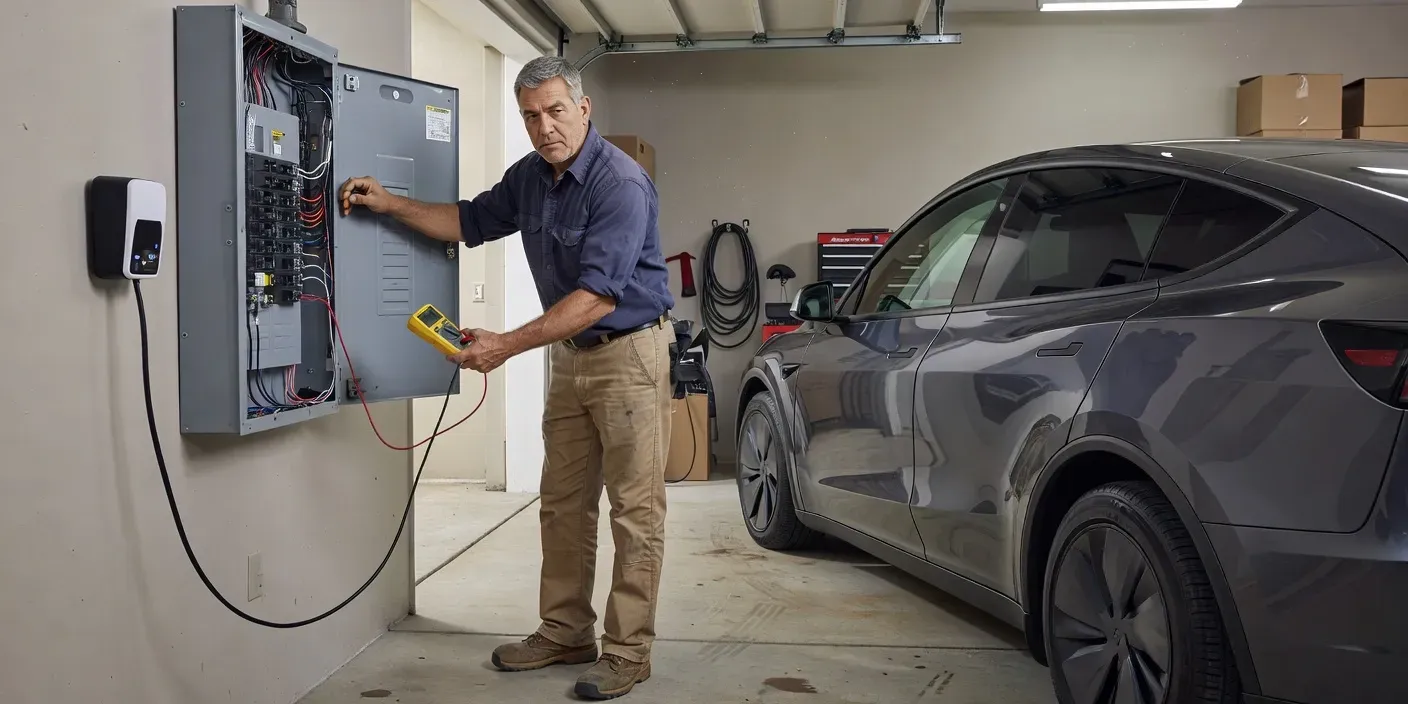
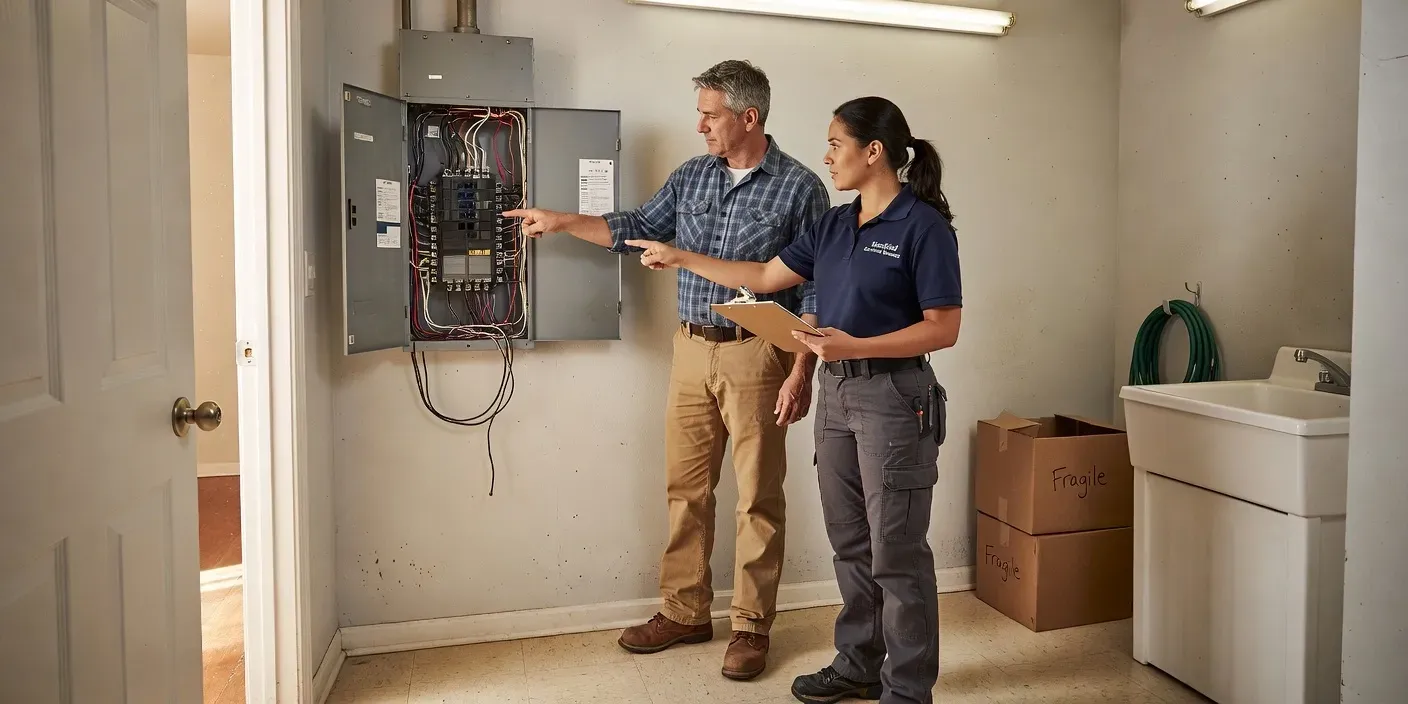
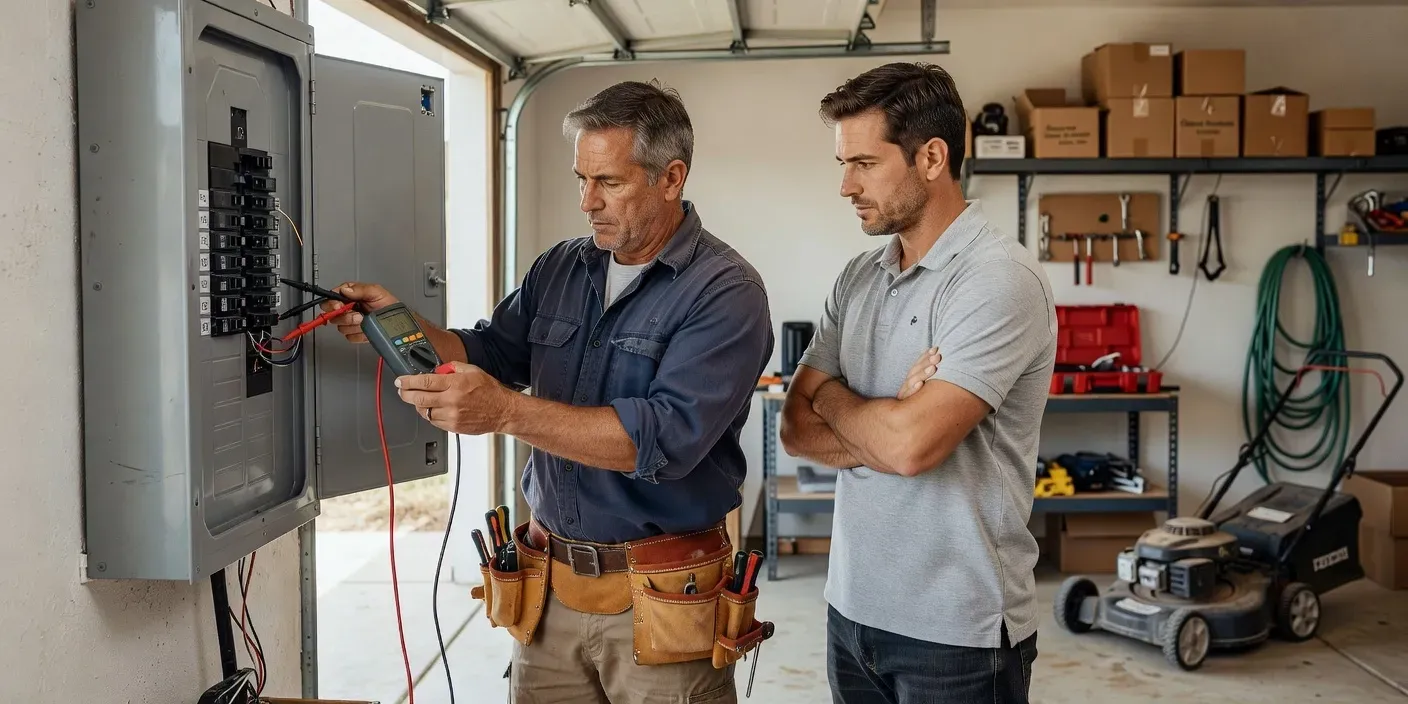
A licensed electrician can evaluate the electrical panel, grounding arrangement, connected equipment, and potential installation requirements.
Electrical Panel and Breaker Assessment
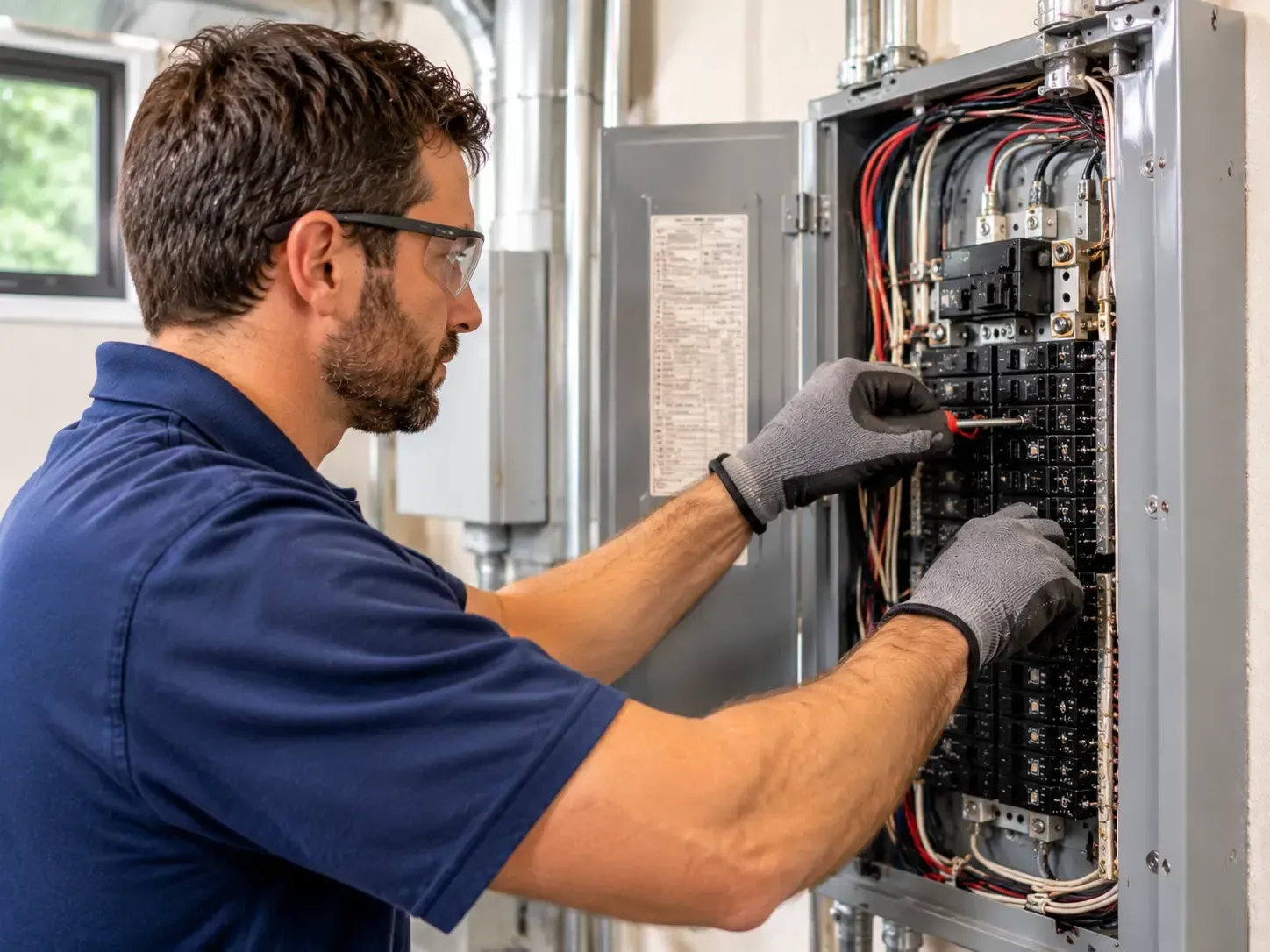
The electrician can review the panel configuration, available breaker space, existing surge protection, and general equipment condition.
If your panel is older or has limited capacity, additional electrical work may be needed before installing new equipment.
Grounding and Bonding Evaluation
Grounding and bonding help provide a proper path for electrical fault and surge currents.
A professional evaluation can identify visible deficiencies or conditions that require further testing and correction.
Existing Surge Protection Review
If your property already has a surge protective device, an electrician can check its condition and available status indicators.
Some devices have lights or alarms that indicate whether protection remains active. Follow the manufacturer's replacement instructions if the device indicates that protection has been lost.
Identifying Additional Electrical Risks
An electrician can also look for overloaded circuits, damaged receptacles, loose connections, and other conditions that may affect electrical safety.
For example, if you frequently rely on multiple power strips in one room, additional properly installed outlets or circuits may be a better long-term solution.
Why Whole-Home Surge Protection Matters for Mansfield Properties
Mansfield and surrounding DFW communities experience thunderstorms and changing weather conditions that can increase concern about electrical surges.
A single plug-in device cannot protect every electrical component throughout a property.
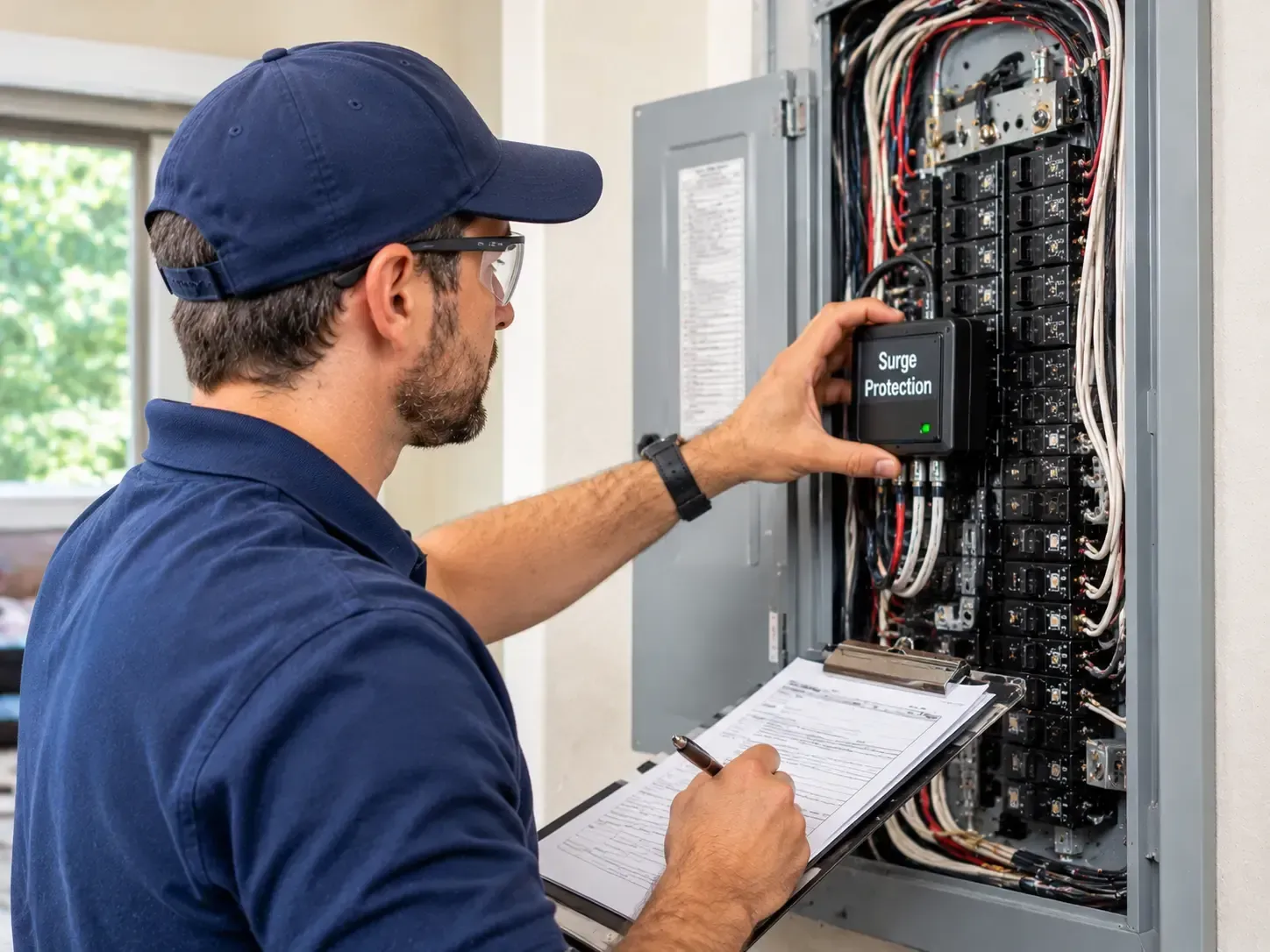
Whole-home surge protection provides broader coverage by helping limit voltage spikes entering through the electrical service.
This can be particularly useful for equipment that cannot be plugged into a power strip, including:
- Central air conditioning systems
- Hardwired appliances
- Garage door openers
- Built-in kitchen equipment
- Electrical controls and smart home systems
A panel-mounted surge protective device and quality plug-in protectors can work together as part of a layered protection plan.
However, no surge protective device guarantees protection against every electrical event, including a direct lightning strike.
Mansfield property owners considering this improvement can explore Whole-Home Surge Protection to understand the available installation options.
Electrical Safety Mistakes to Avoid When Using Power Strips
Even a quality surge protector can create safety problems when used incorrectly.
Keep these common mistakes in mind:
Overloading a power strip: Connecting too many appliances can exceed the device or circuit rating. Always check the manufacturer's electrical specifications.
Daisy-chaining multiple strips: Never plug one power strip into another to create additional outlets.
Using strips for high-power appliances: Space heaters and other high-wattage appliances should follow their manufacturer's direct-to-wall connection instructions.
Ignoring damaged cords: Frayed wires, cracked housings, and loose plugs should not be used.
Ignoring warning indicators: If a surge protector indicates that its protection function has stopped working, replace it according to the manufacturer's instructions.
Using damaged or loose wall outlets: A loose connection or unusually hot receptacle may indicate an electrical problem that needs professional attention.
If you notice burning smells, sparks, discoloration, or an outlet that is hot to the touch, stop using it and arrange a professional evaluation.
When Should You Consider an Electrical Inspection?
A professional electrical inspection can be helpful when you are unsure whether your existing protection is adequate.
Consider scheduling an evaluation if:
- Your property has an older electrical panel.
- You have experienced repeated electrical problems after storms.
- Your home contains expensive electronic equipment.
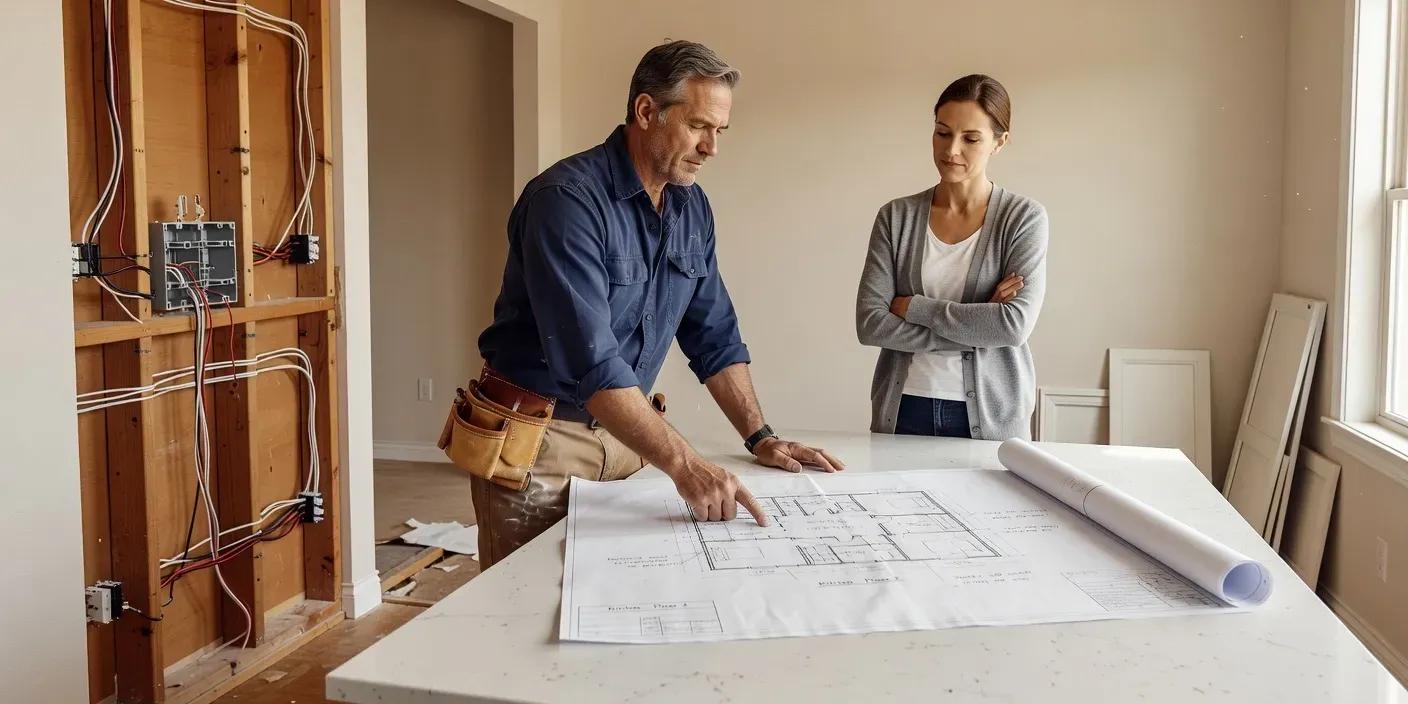
- You are planning a major renovation or electrical upgrade.
- You frequently use power strips because there are not enough outlets.
- You are unsure whether your electrical system has proper grounding.
An electrician can review the system and explain which improvements may be appropriate.
For a broader review of your property's electrical condition, explore Electrical Inspection Services.
Frequently Asked Questions
Is a surge protector better than a regular power strip?
A surge protector offers an additional protective function that a standard power strip does not necessarily provide. It helps limit damaging voltage spikes reaching connected electronics. A regular power strip primarily provides additional outlets.
How do I know if my power strip has surge protection?
Check the manufacturer's label and product documentation. Look for an advertised surge protection feature, a joule rating, and recognized safety certification. Do not assume that a power strip provides surge protection simply because it has multiple outlets.
How much does a whole-home surge protector cost to install?
The total cost depends on the surge protective device, electrical panel configuration, installation labor, grounding condition, and any additional work required. A professional estimate provides a more accurate price based on your property's electrical system.