Whole-Home Surge Protection: Costs, Planning Questions, and Professional Evaluation
Electrical surges can happen without warning. A lightning storm, utility grid fluctuation, or large appliance switching on and off can send a sudden voltage spike through your home's electrical system. These events may damage televisions, computers, HVAC equipment, refrigerators, and other electronics.
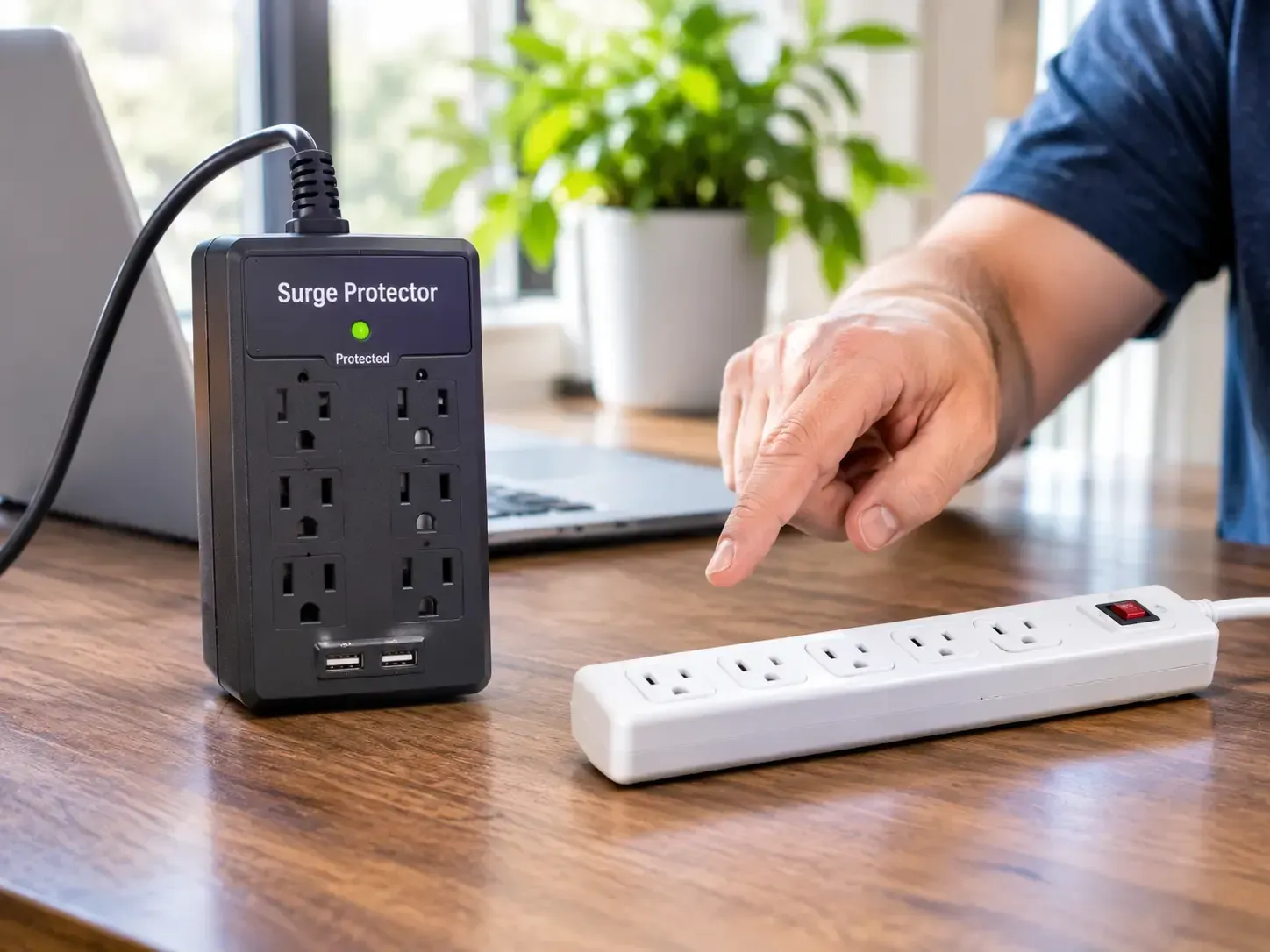
Many homeowners in Mansfield, Texas, use plug-in power strips to protect their devices. While these products can provide some protection, they do not offer the same coverage as a whole-home surge protection system.
Understanding the difference between a surge protector vs power strip can help you decide what level of protection your home needs. Before installing a system, it is also helpful to understand the costs, electrical panel requirements, and questions to discuss with a licensed electrician.
Key Takeaways
- Whole-home surge protection is installed at or near the main electrical panel.
- A regular power strip does not necessarily provide surge protection.
- Plug-in surge protectors offer additional protection for individual electronics.
- Installation costs depend on the surge protection device, panel condition, grounding, and labor.
- A professional evaluation helps determine whether your electrical system is ready for installation.
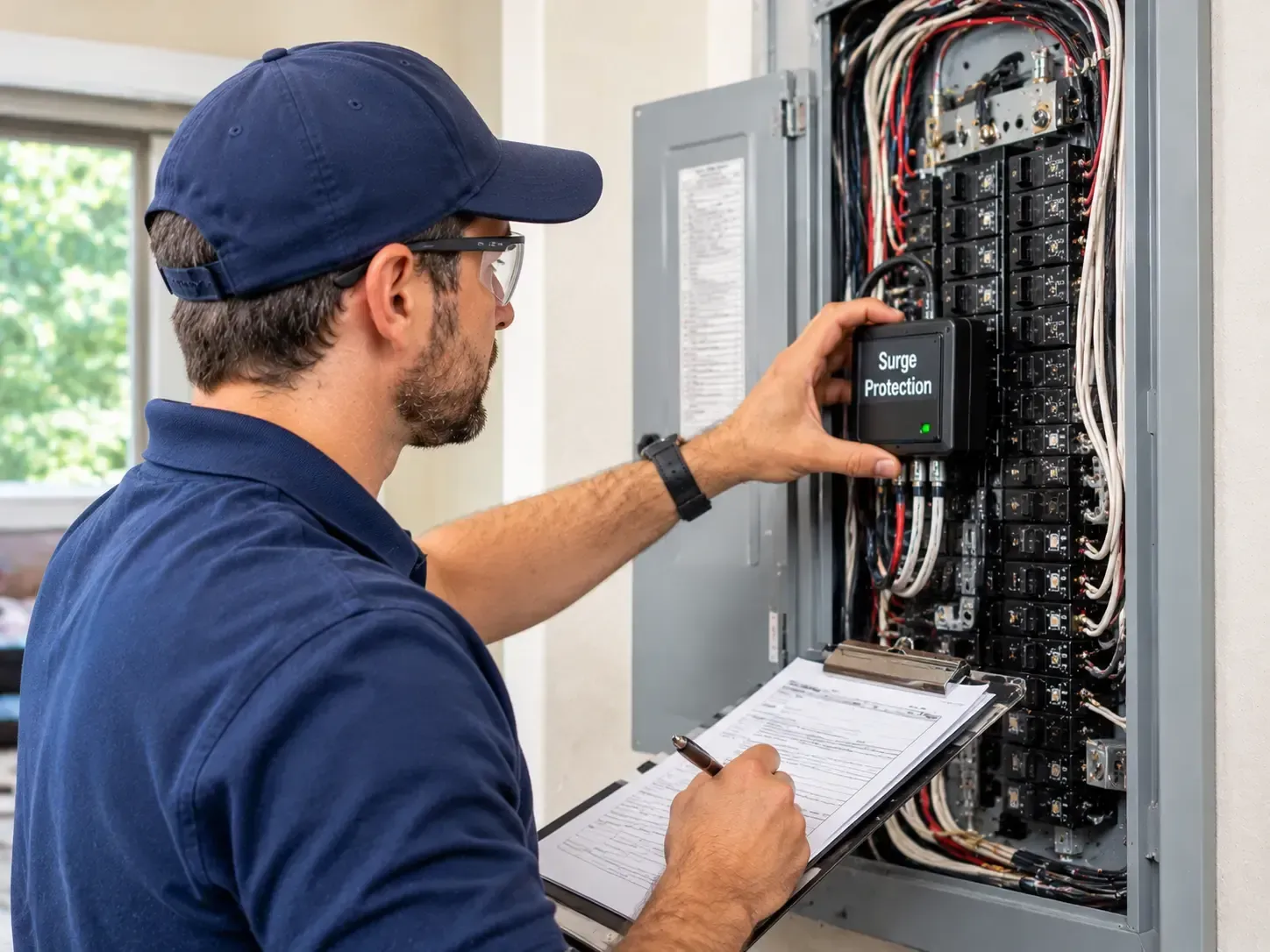
For many households, using whole-home protection alongside properly rated point-of-use surge protectors provides an additional layer of defense for sensitive electronics.
| Feature | Standard Power Strip | Plug-In Surge Protector | Whole-Home Surge Protector |
|---|---|---|---|
| Additional outlets | Yes | Yes | No |
| Surge protection | No, unless specifically rated | Yes | Yes |
| Protection coverage | Connected outlets only | Connected devices | Broad household coverage |
| Installation | Plug-in | Plug-in | Professional electrical installation |
| Protects hardwired equipment | No | No | Helps protect connected equipment |
Why Mansfield Homes May Need Whole-Home Surge Protection
North Texas weather can bring thunderstorms, lightning, and changing electrical conditions. These events can affect utility lines and introduce voltage spikes into residential electrical systems.
However, outdoor weather is not the only possible source of electrical surges.
1. Lightning and Utility Grid Fluctuations
Lightning activity near power lines can cause sudden voltage increases that travel through electrical service connections. Utility switching and certain grid disturbances can also contribute to transient voltage events.
2. Large Appliances Starting and Stopping
Equipment such as HVAC compressors, refrigerators, and washing machines can create smaller electrical disturbances when motors start or stop.
These events may contribute to electrical stress on sensitive electronic components over time.
3. Modern Electronics and Smart Appliances
Today's homes contain more electronic equipment than ever. Smart thermostats, televisions, computers, network equipment, kitchen appliances, and home charging systems all contain sensitive electronic components.
Replacing damaged equipment can become expensive, making surge protection worth discussing during an electrical evaluation.
How Much Does Whole-Home Surge Protection Cost?
The cost of whole-home surge protection depends on the device selected and the condition of your existing electrical system.
A professional estimate should account for more than the price of the surge protective device itself.
Several factors can influence the total installation cost.
1. Type of Surge Protective Device
Type 1 and Type 2 surge protective devices are designed for different installation locations and electrical configurations. The appropriate option depends on the home's electrical service and the installation requirements.
Device ratings, manufacturer specifications, diagnostic features, and warranty coverage can also affect pricing.
2. Electrical Panel Condition
The electrician needs to evaluate the existing panel before recommending an installation.
An older panel, limited breaker space, damaged components, or an incompatible configuration may require additional work.
If the panel is already scheduled for an upgrade, discussing surge protection at the same time may help coordinate the project.
3. Grounding and Bonding
A surge protective device needs a properly installed electrical connection and an effective grounding and bonding system.
If grounding or bonding problems are discovered, corrective work may add to the overall project cost.
4. Labor and Installation Requirements
Installation costs can vary depending on panel accessibility, device location, wiring requirements, and the amount of work involved.
Ask for a written estimate that explains the equipment, labor, and any additional electrical corrections included in the project.
What Happens During a Professional Surge Protection Evaluation?
A professional evaluation helps determine whether your electrical system is ready for whole-home surge protection.
At A.T. Electric LLC, the evaluation and installation process focuses on several important areas.
Step 1: Electrical Panel Assessment
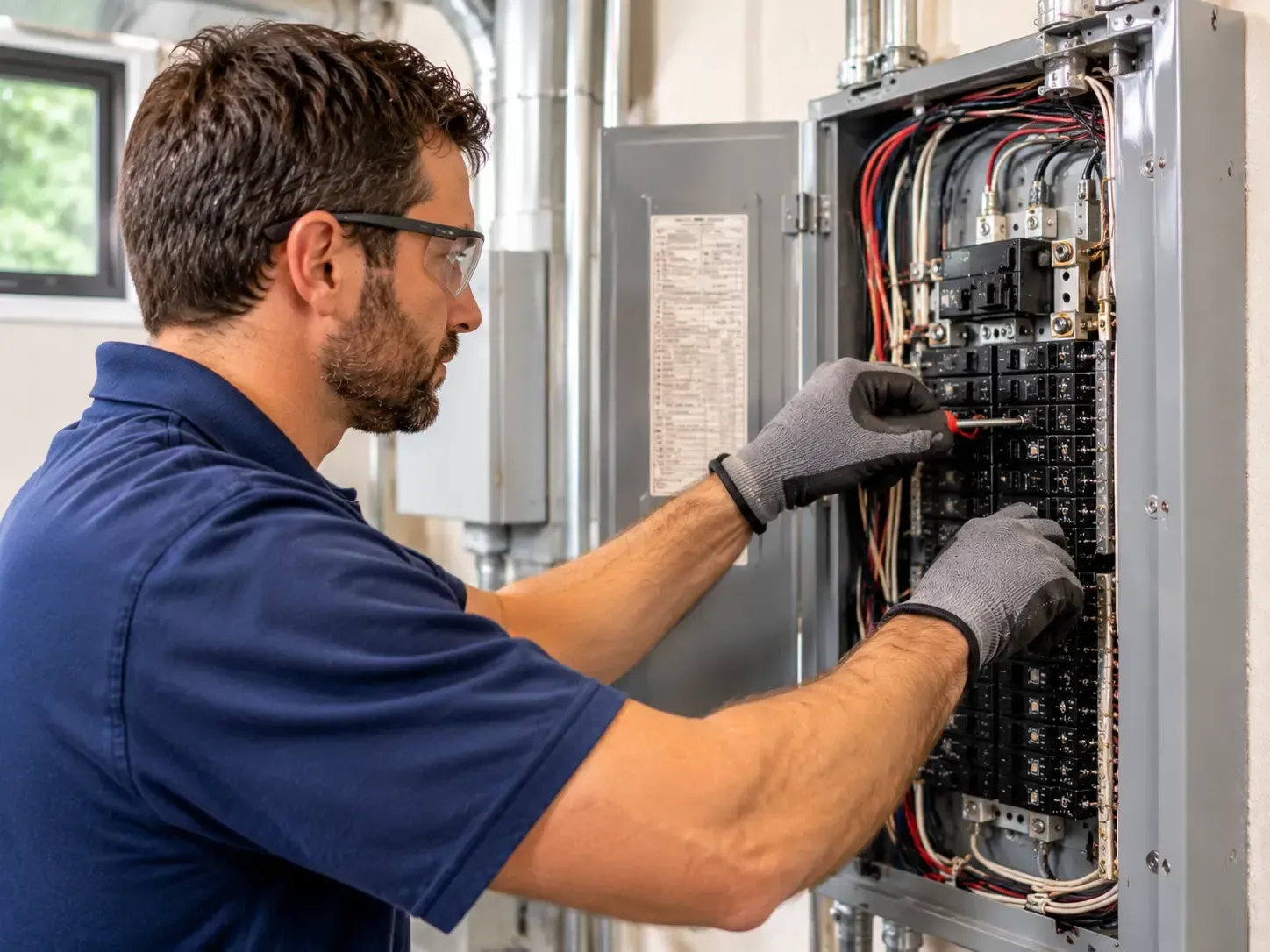
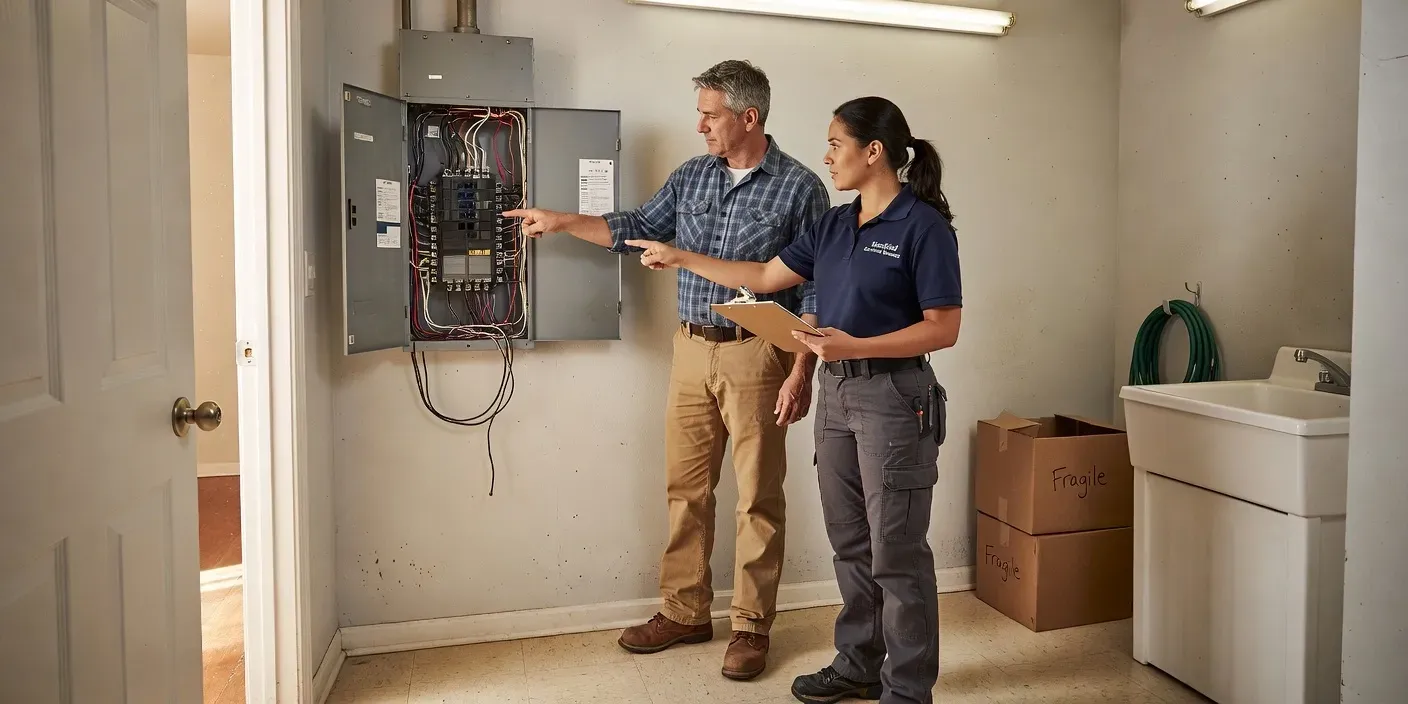
The electrician examines the main electrical panel, checks its condition, reviews available breaker space, and considers the home's electrical service capacity.
This helps identify potential installation limitations before work begins.
Step 2: Grounding and Bonding Verification
The grounding and bonding connections are reviewed to identify issues that could affect the proper operation of the surge protective device.
If corrections are needed, the electrician can explain the recommended work.
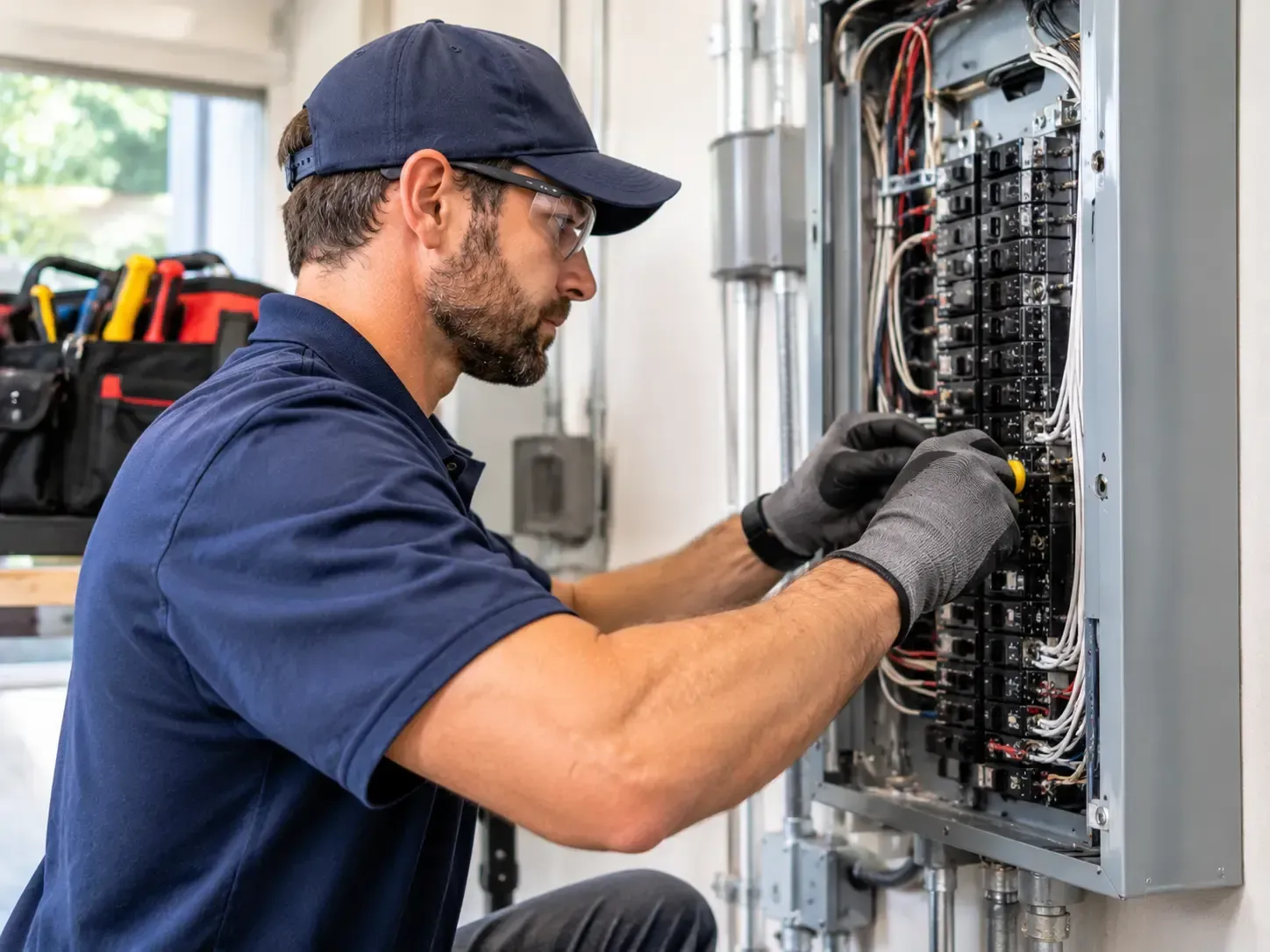
Step 3: Surge Device Selection and Installation
Based on the evaluation, the electrician recommends an appropriate listed surge protective device.
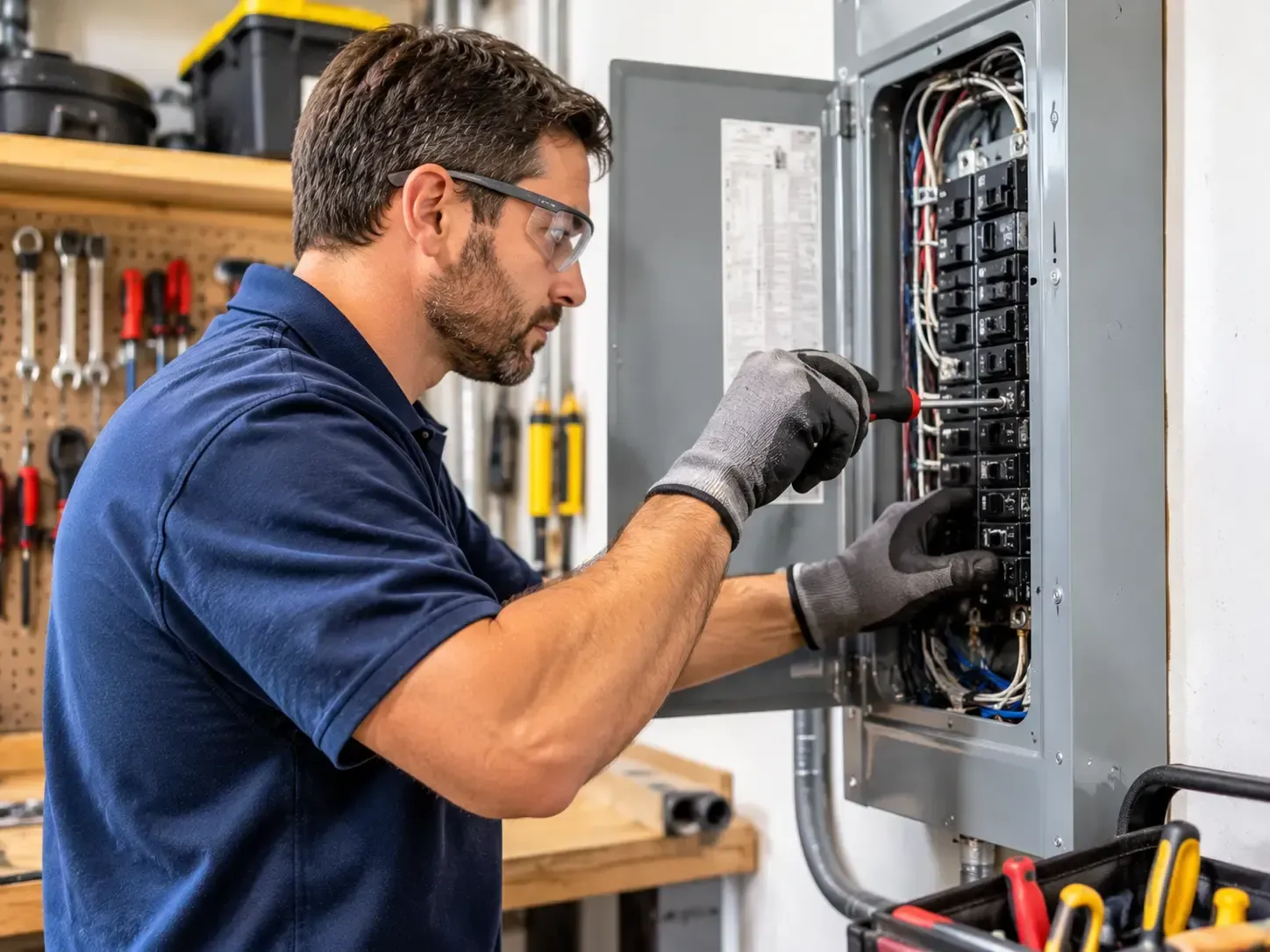
The installation should follow manufacturer instructions and applicable electrical requirements, including proper lead routing and connection methods.
Step 4: Final Testing and Status Review
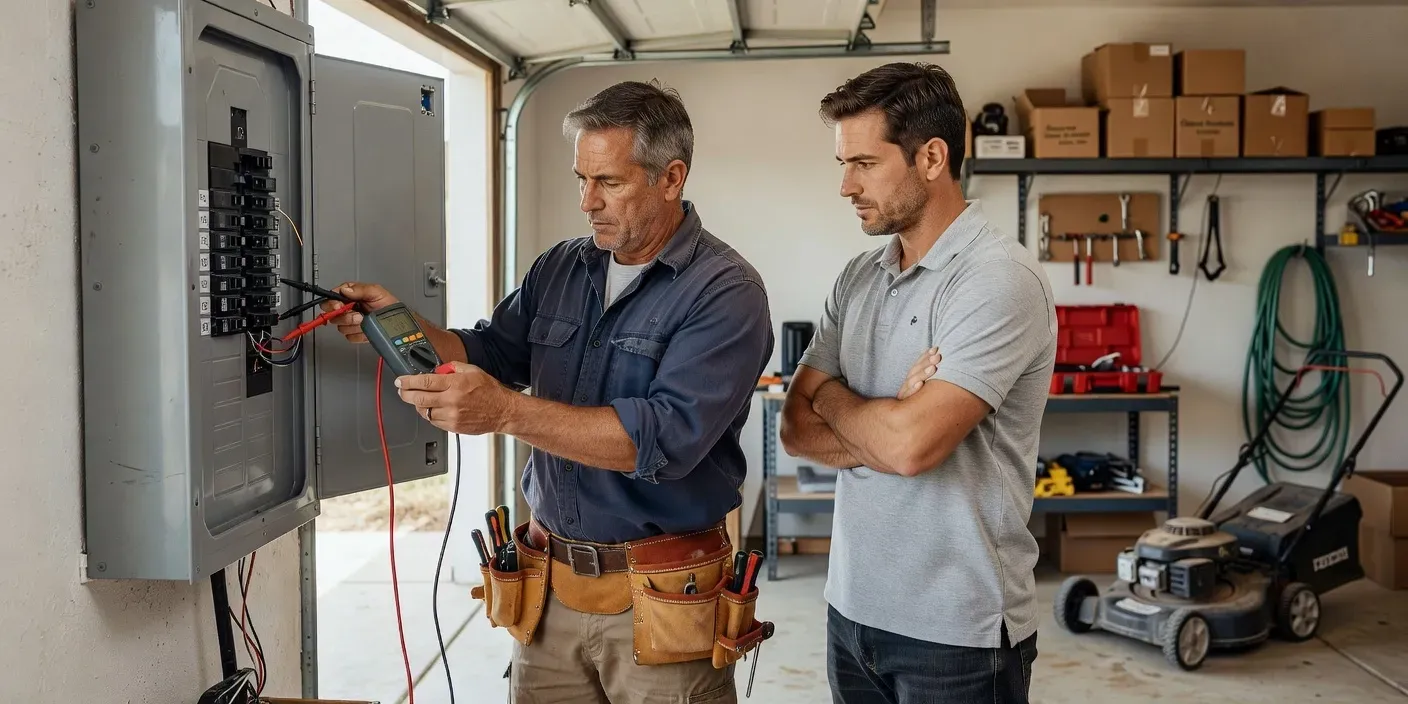
After installation, the electrician checks the device's connections and operating indicators.
Homeowners should also receive an explanation of how to recognize the device's protection status and when to request a follow-up inspection.
When Should You Consider Adding Surge Protection?
Whole-home surge protection is worth discussing during several common electrical projects.
- Electrical panel upgrades: Adding surge protection during a panel replacement or upgrade can help coordinate electrical improvements.
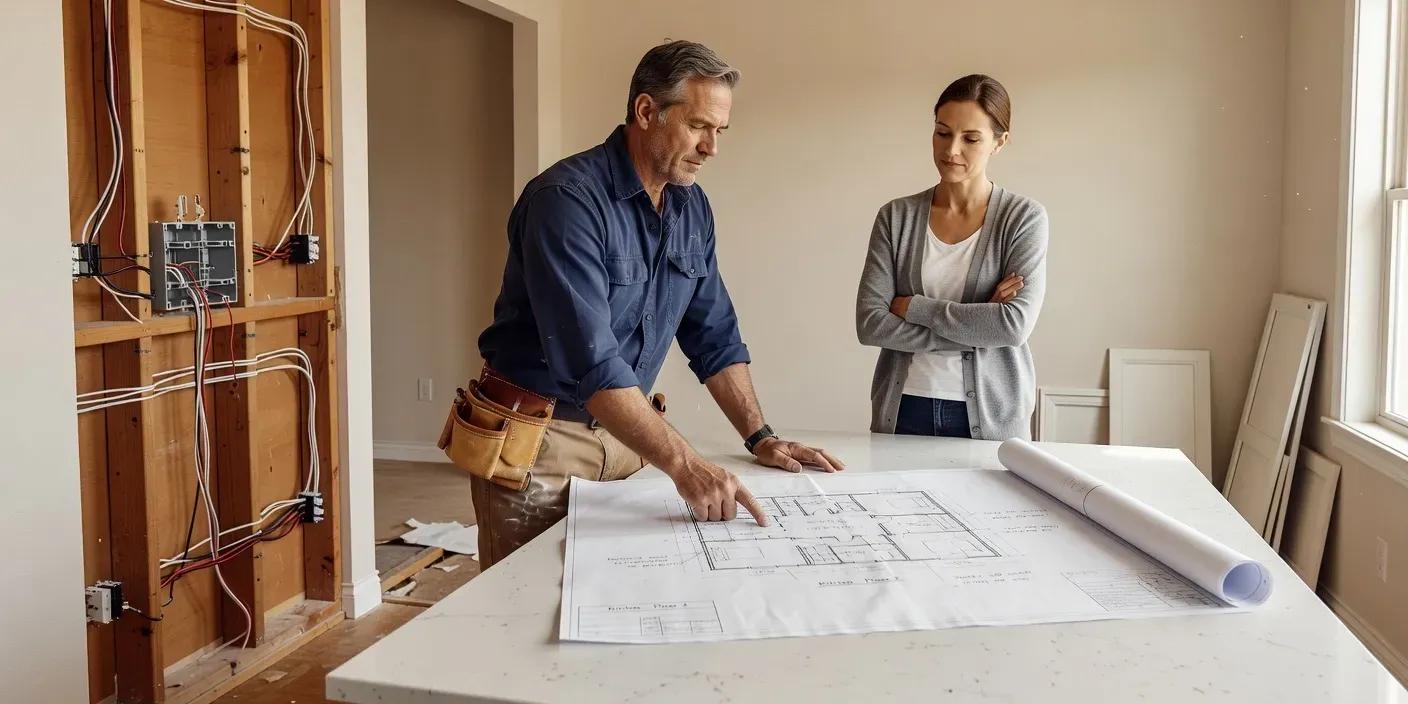
- Home renovations: New appliances, lighting systems, and electronics may increase the amount of equipment that needs protection.
- HVAC replacement: Modern heating and cooling systems contain electronic controls that can be affected by voltage disturbances.
- Home office improvements: Computers, networking equipment, and other sensitive electronics can benefit from an additional layer of protection.
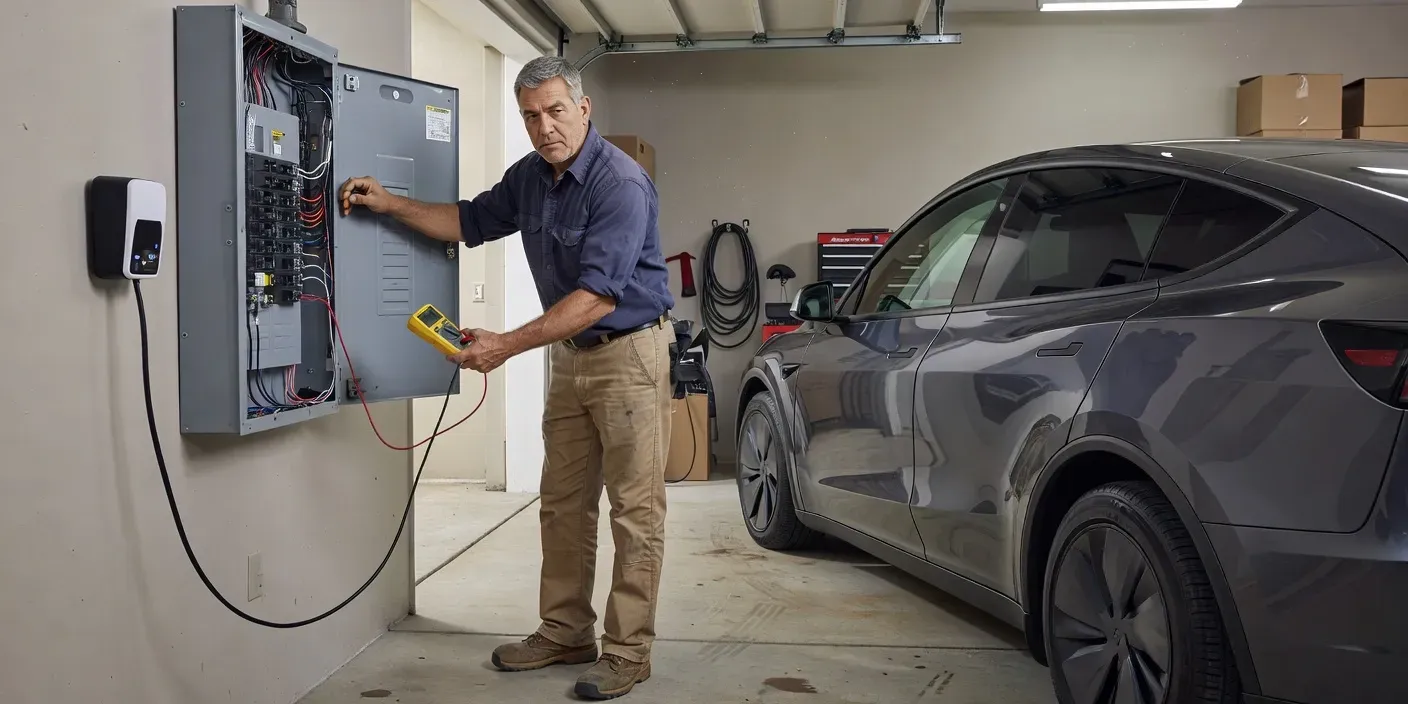
- EV charger installation: Home charging equipment is another reason to review the property's electrical protection needs.
You do not have to wait until an appliance stops working or an electrical problem occurs before evaluating your home's surge protection.
Frequently Asked Questions
Which type of surge protective device is appropriate for my home?
Ask whether a Type 1 or Type 2 device is suitable for your electrical service and why the electrician recommends that particular option.
Does my electrical panel have enough space?
The electrician should inspect the panel and determine whether the required connections and breaker space are available.
Is my grounding system in good condition?
Proper grounding and bonding are important parts of surge protection. Ask whether the existing connections need inspection or correction.
Preferred Source on Google Search
Add www.atelectricllc.com to customize your search feed across Top Stories.