What Dead Outlet Troubleshooting Can Solve and When Mansfield Property Owners Should Call
When an electrical outlet suddenly stops working, it can be easy to assume the receptacle itself has failed. However, a dead outlet can have several possible causes. A tripped breaker, GFCI protection, an overloaded circuit, a damaged receptacle, or a wiring issue can all interrupt power.
For Mansfield, Texas property owners, knowing a few basic troubleshooting steps can help identify simple problems. More importantly, understanding when to stop troubleshooting and contact a professional electrician can help prevent a minor electrical issue from becoming a larger safety concern.
A.T. Electric LLC provides residential and commercial electrical services for property owners in Mansfield and surrounding areas. When an outlet problem cannot be safely identified through basic checks, professional electrical troubleshooting can determine what is actually causing the loss of power.
Key Takeaways
- A dead outlet does not always mean the outlet itself is defective.
- A tripped breaker or GFCI can sometimes explain the loss of power.
- Several dead outlets may indicate a problem somewhere else on the circuit.
- Heat, burning smells, discoloration, buzzing, or sparks should not be ignored.
- Repeatedly resetting a tripped breaker is not a proper solution.
- Professional electrical troubleshooting can identify problems that are not visible from the outside.
- Mansfield property owners should call an electrician when the cause of a dead outlet is unclear or warning signs are present.
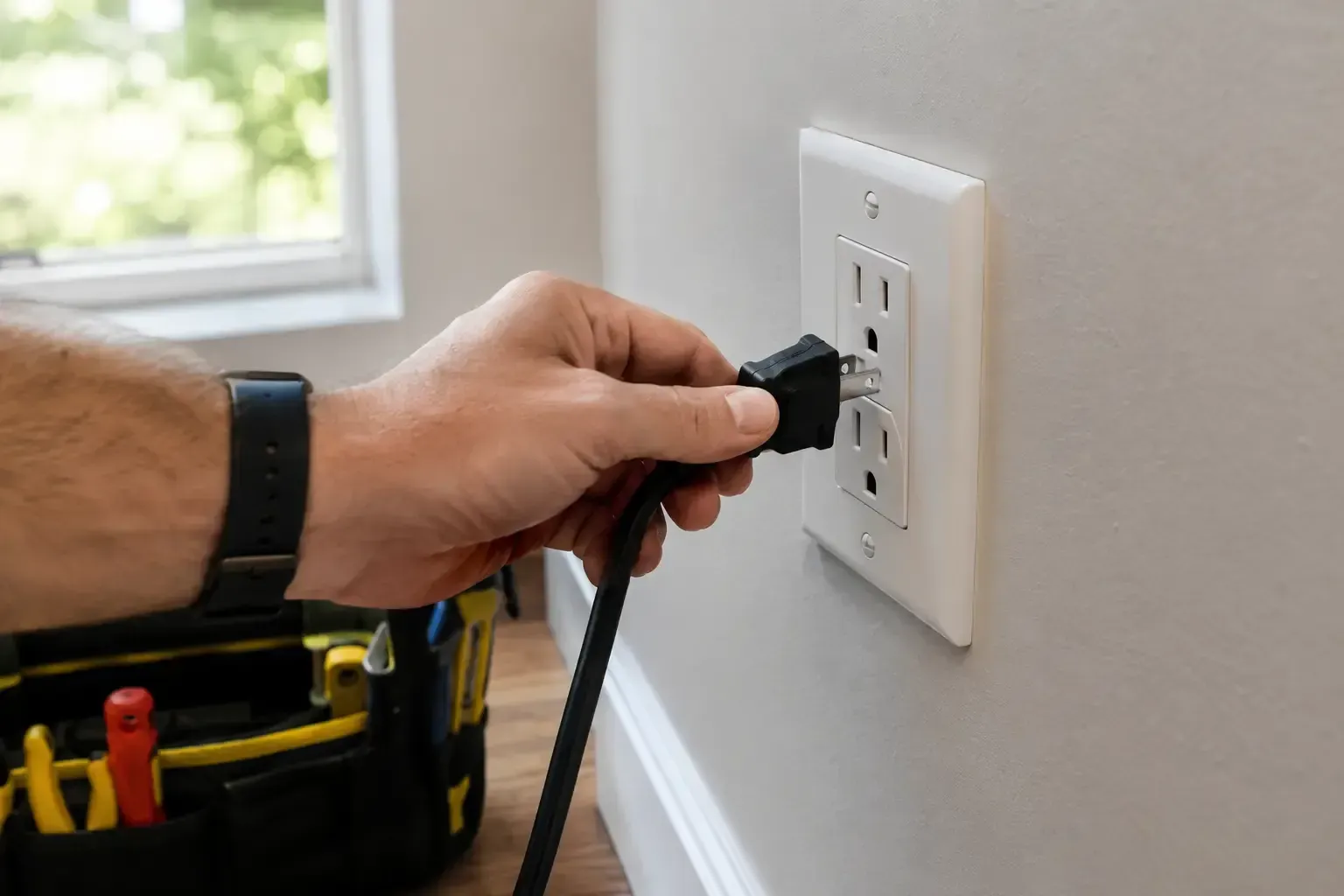
What Can Cause a Dead Electrical Outlet?
There are several reasons why an outlet may suddenly stop supplying electricity. The problem may be located at the receptacle, somewhere else on the circuit, or even at the electrical panel.
1. A Tripped Circuit Breaker
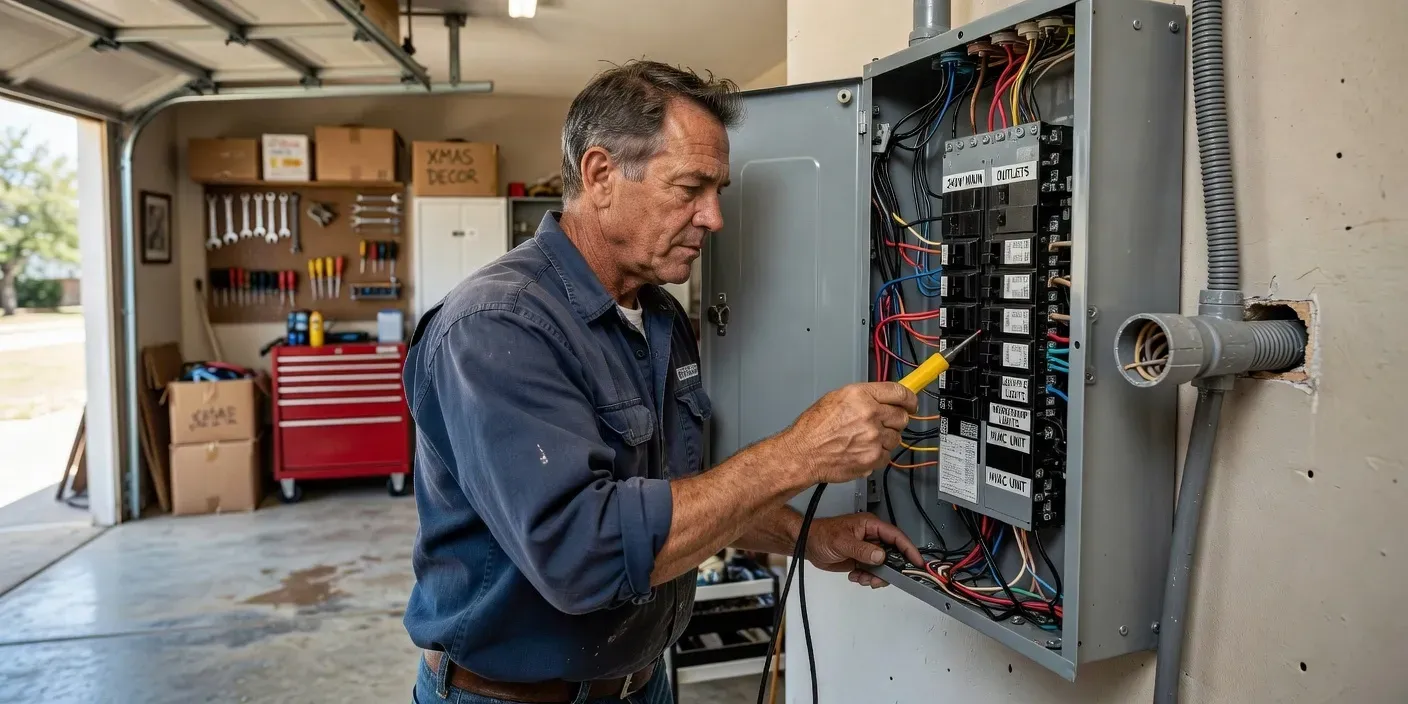
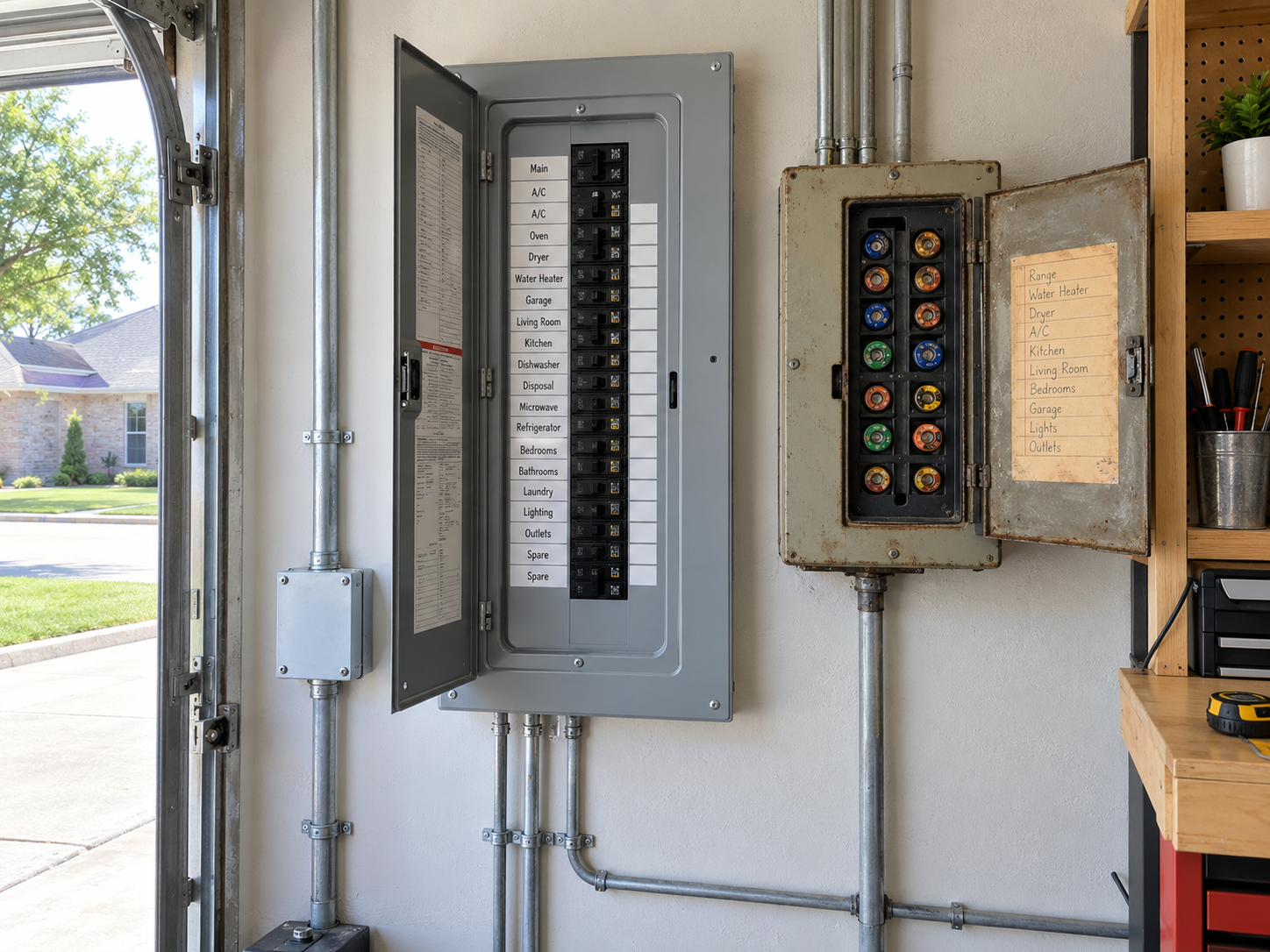
The electrical panel is one of the first places to consider when an outlet stops working.
A circuit breaker may trip when a circuit becomes overloaded or experiences an electrical fault. If several appliances are operating on the same circuit, the electrical demand may exceed what the circuit can safely handle.
Property owners can check whether a breaker appears to have moved out of its normal position. If it can be safely reset according to the manufacturer's instructions, power may return.
However, if the breaker trips again, do not repeatedly reset it. A recurring trip can indicate a deeper electrical problem that needs professional diagnosis.
2. A Tripped GFCI
Ground-fault circuit interrupters, commonly called GFCIs, are designed to provide additional protection in areas where electricity may encounter moisture.
You may find GFCI outlets in:
- Bathrooms
- Kitchens
- Garages
- Laundry rooms
- Outdoor areas
- Other areas requiring ground-fault protection
One GFCI can sometimes interrupt power to other outlets connected farther along the same circuit.
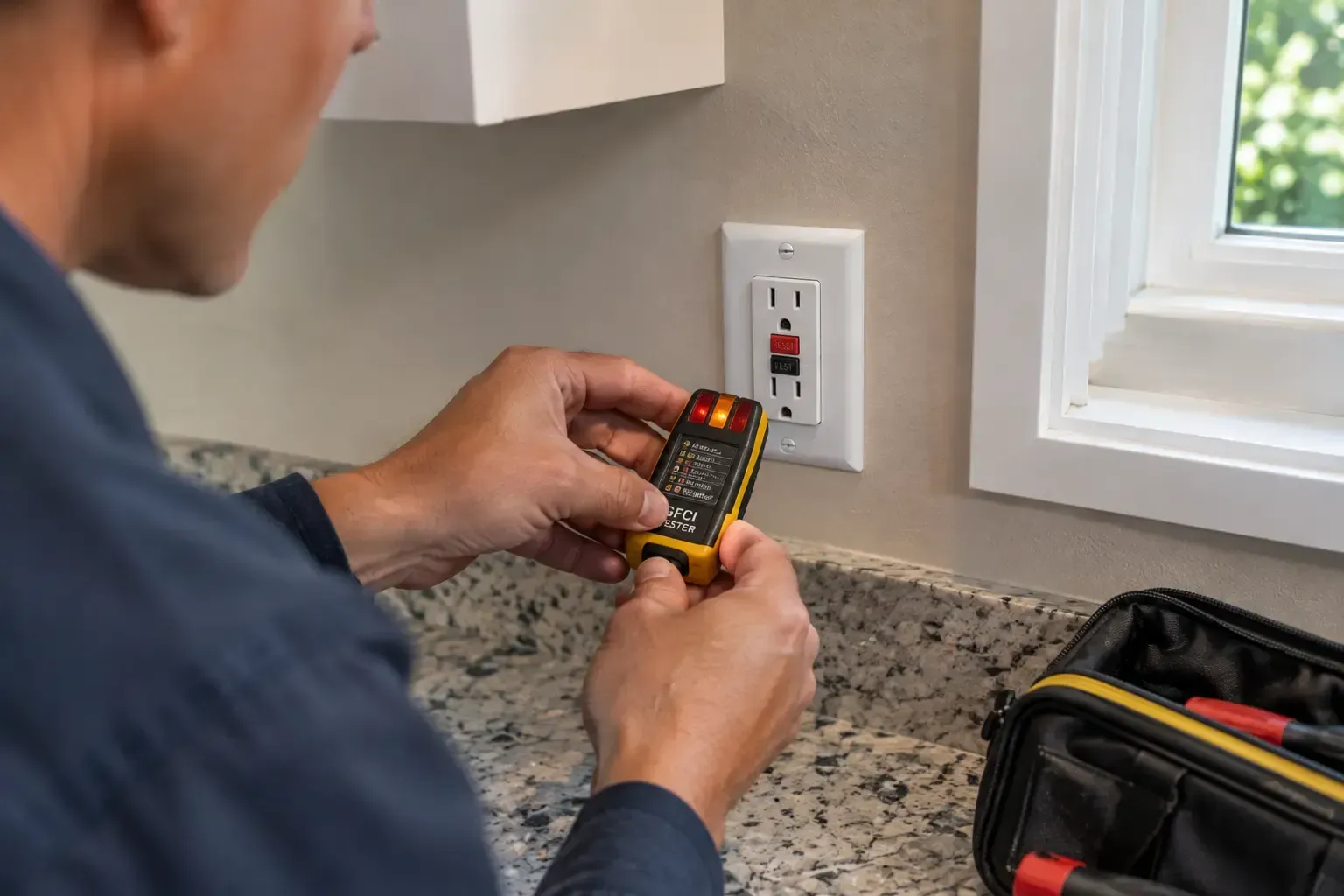
If a bedroom, garage, bathroom, or nearby receptacle suddenly stops working, checking an accessible GFCI reset button may help identify the cause.
If the GFCI will not reset or immediately trips again, it is time to have the circuit professionally inspected.
3. A Damaged Outlet
Electrical outlets are used hundreds or thousands of times throughout their service life. Over time, receptacles can become worn or damaged.
A faulty outlet may show signs such as:
- Loose plugs
- Cracks
- Discoloration
- Scorch marks
- Buzzing
- Heat
- Intermittent power
If an outlet looks damaged or behaves inconsistently, avoid using it until the cause has been evaluated.
4. Loose Wiring
Sometimes the receptacle is not the actual source of the problem.
A loose electrical connection can interrupt power to an outlet or other receptacles farther along the circuit. Because the wiring is located inside the electrical box or other parts of the electrical system, the problem may not be visible.
Loose connections can also generate heat, making professional diagnosis particularly important when an outlet is warm, discolored, or producing unusual smells.
What Can Basic Dead Outlet Troubleshooting Tell You?
Basic troubleshooting is mainly useful for determining whether the problem could be related to an obvious issue such as a breaker, GFCI, or individual device.
For example, try determining whether another device works when connected to the receptacle. You can also check whether other outlets in the same room or nearby areas have lost power.
The following table provides a simple overview:
| What You Notice | Possible Cause | Next Step |
|---|---|---|
| One device does not work | Device problem | Test another device |
| One outlet is dead | Receptacle or connection | Consider professional testing |
| Several outlets are dead | Circuit or GFCI issue | Check accessible GFCI and breaker |
| Breaker keeps tripping | Overload or electrical fault | Call an electrician |
| Outlet is hot or discolored | Wiring or receptacle problem | Stop using it and call |
The purpose of basic troubleshooting is to gather information—not to perform electrical repairs you are not qualified to handle.
When Should Mansfield Property Owners Call an Electrician?
Some dead outlets can be traced to simple causes. Others require professional electrical troubleshooting.
The Outlet Feels Hot
An unusually hot outlet should not be treated as normal.
Heat can be associated with an overloaded circuit, loose connection, damaged receptacle, or another electrical problem.
If the outlet feels hot when it is not being heavily used, stop using it and arrange for professional electrical service.
You Notice a Burning Smell
A burning plastic or electrical odor near an outlet can indicate overheating or damaged electrical components.
Do not ignore the smell simply because the outlet still appears to work. If you see smoke or an active electrical fire, leave the property and contact emergency services.
The Breaker Continues to Trip
A breaker that repeatedly trips is giving you information about the electrical system.
Instead of continuing to reset it, have the circuit inspected. The cause could involve an overloaded circuit, faulty appliance, damaged wiring, short circuit, or another electrical issue.
Multiple Outlets Stop Working
When several receptacles lose power at approximately the same time, the problem may be located upstream rather than at each individual outlet.
A GFCI, breaker, loose connection, or circuit fault could affect multiple receptacles.
Professional troubleshooting can help determine where the interruption begins.
You See Sparks or Scorch Marks
Visible sparking, black marks, melted plastic, or discoloration around an outlet should receive prompt attention.
These signs can indicate overheating, arcing, or damaged electrical components.
Do not continue using a receptacle that shows these warning signs.
Why Professional Electrical Troubleshooting Matters
Replacing a dead outlet without identifying the underlying problem may not solve the issue.
For example, if the actual cause is a loose connection farther along the circuit, installing a new receptacle may only provide a temporary solution or fail to restore power at all.
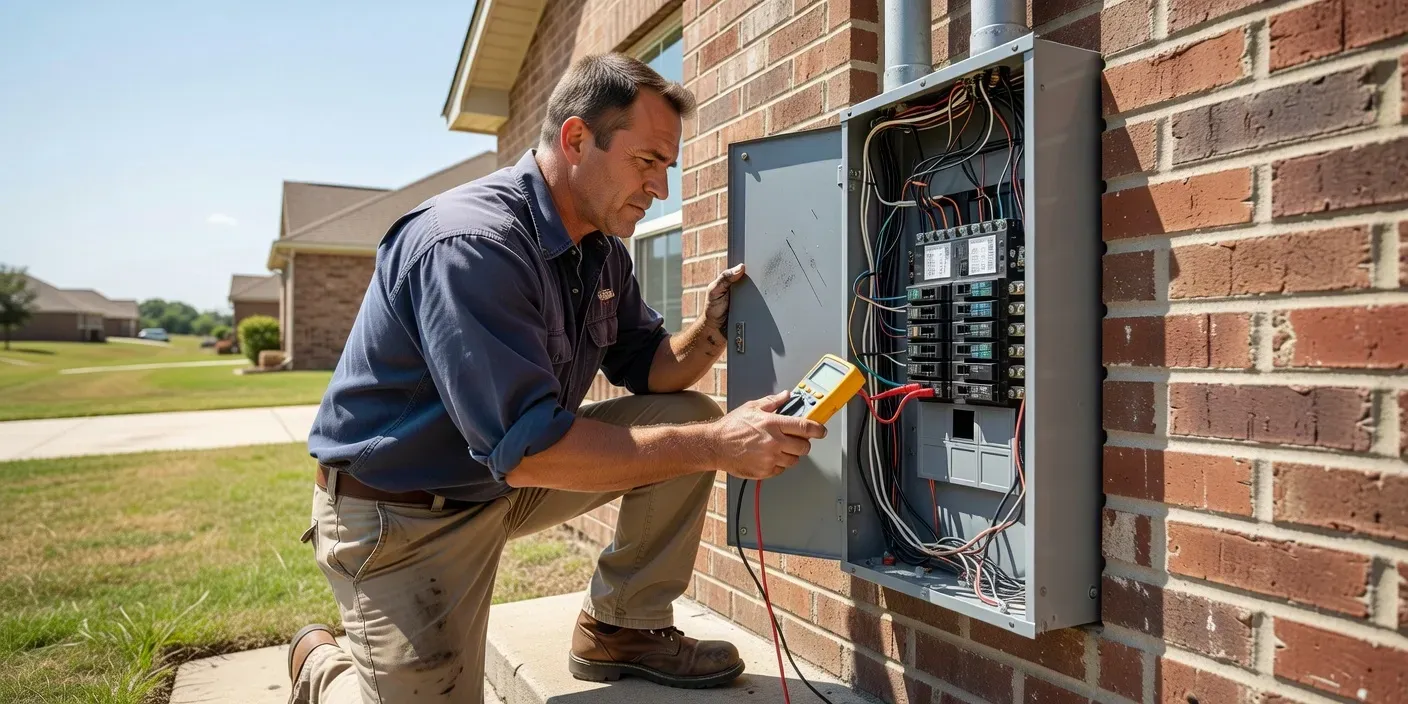
A professional electrician has the appropriate tools and training to evaluate the electrical circuit and determine where the problem originates.
Depending on the situation, electrical troubleshooting may involve:
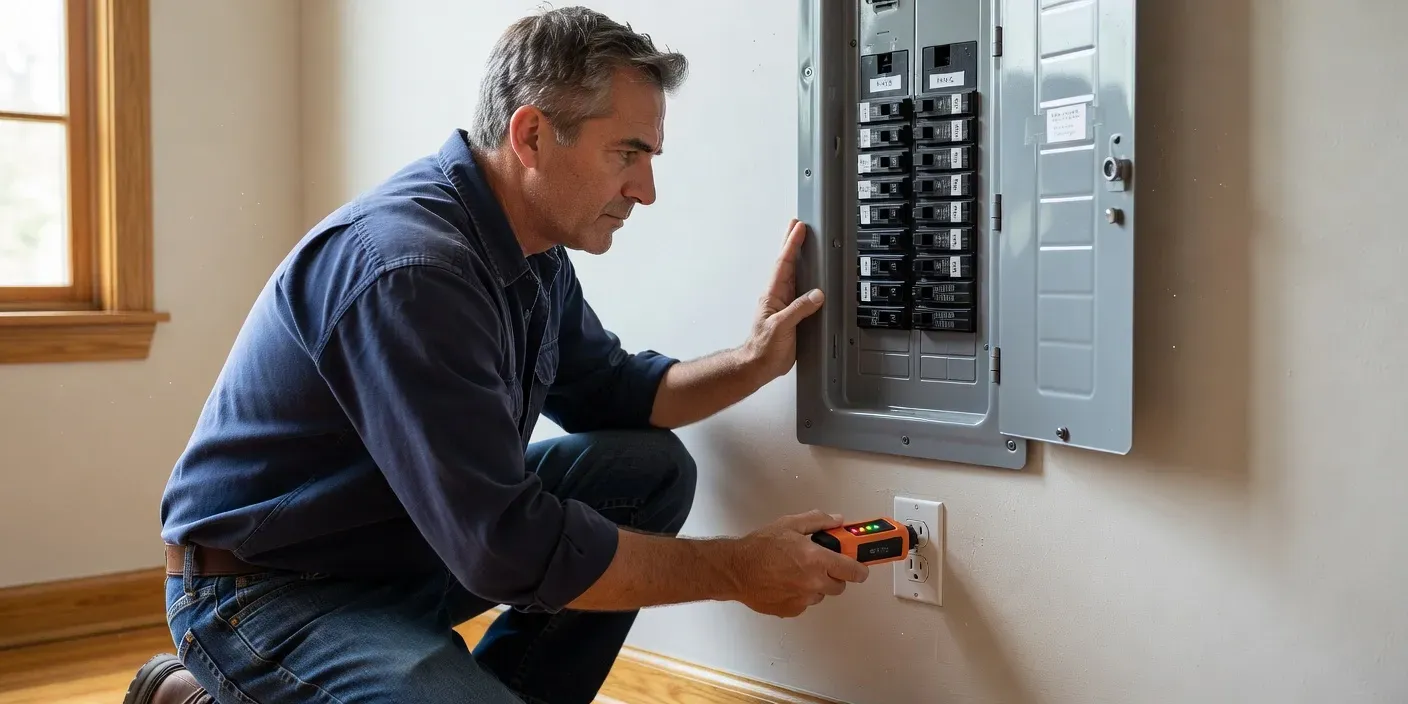
- Testing for voltage
- Inspecting the receptacle
- Checking the circuit breaker
- Evaluating GFCI protection
- Examining electrical connections
- Looking for overheating
- Checking for circuit overload
- Identifying damaged wiring
- Determining whether additional electrical repairs are needed
This approach addresses the cause rather than simply treating the symptom.
How Mansfield Property Owners Can Reduce Outlet Problems
While electrical failures cannot always be prevented, property owners can take steps to reduce unnecessary stress on their electrical systems.
Avoid Overloading Circuits
Try not to operate multiple high-demand appliances on the same circuit when the electrical system is not designed for that load.
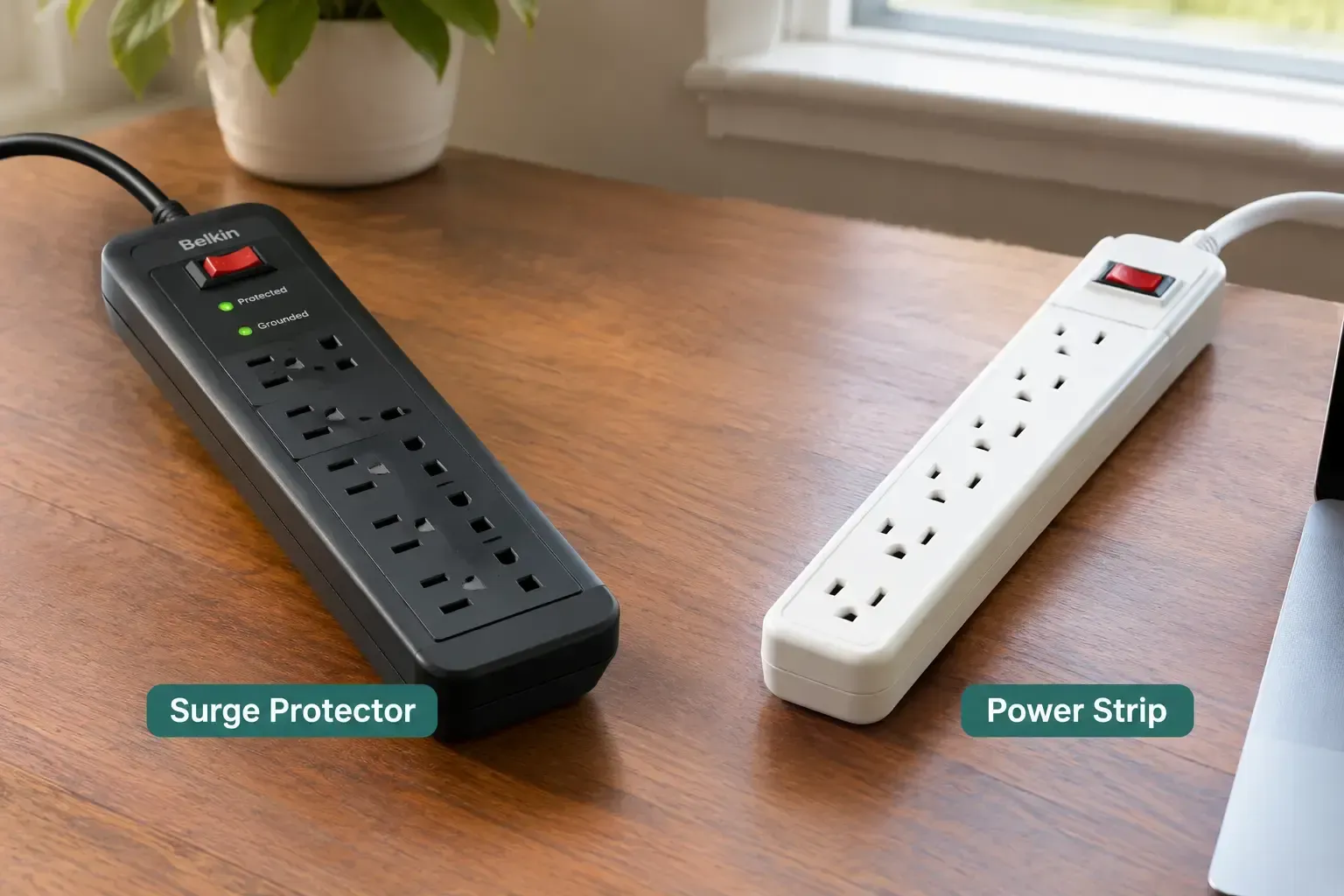
Power strips and extension cords should not be treated as permanent substitutes for properly installed electrical outlets.
Pay Attention to Warning Signs
Small electrical problems can sometimes provide warning signs before they become larger issues.
Watch for:
- Flickering lights
- Buzzing outlets
- Warm receptacles
- Burning odors
- Discoloration
- Loose plugs
- Repeated breaker trips
- Intermittent power
If these problems keep occurring, professional electrical troubleshooting can help identify the cause.
Consider an Electrical Inspection
Older properties, recently renovated homes, and buildings with recurring electrical problems may benefit from a professional inspection.
An inspection can help identify concerns that may not be obvious during everyday use.
Need Help With a Dead Outlet in Mansfield?
If you have checked the obvious causes and your outlet is still dead, there is no reason to keep guessing at the problem.
Call A.T. Electric LLC now for professional electrical troubleshooting in Mansfield, TX. Whether the issue involves an outlet, GFCI, circuit, breaker, or wiring, professional testing can help identify the source and determine the appropriate repair.
Frequently Asked Questions
Can a GFCI cause another outlet to stop working?
Yes. A GFCI can interrupt power to other receptacles connected downstream on the same circuit. Checking nearby GFCI outlets may help identify the problem.
Why is only one electrical outlet not working?
A single dead outlet may have a damaged receptacle, loose connection, or localized wiring problem. It may also be affected by a breaker or GFCI elsewhere on the circuit.
Is a dead outlet always dangerous?
No. A dead outlet can sometimes result from a simple tripped breaker or GFCI. However, heat, burning odors, sparks, smoke, discoloration, or repeated breaker trips can indicate a more serious electrical problem.