What Warm Outlet or Switch Can Solve and When Mansfield Property Owners Should Call
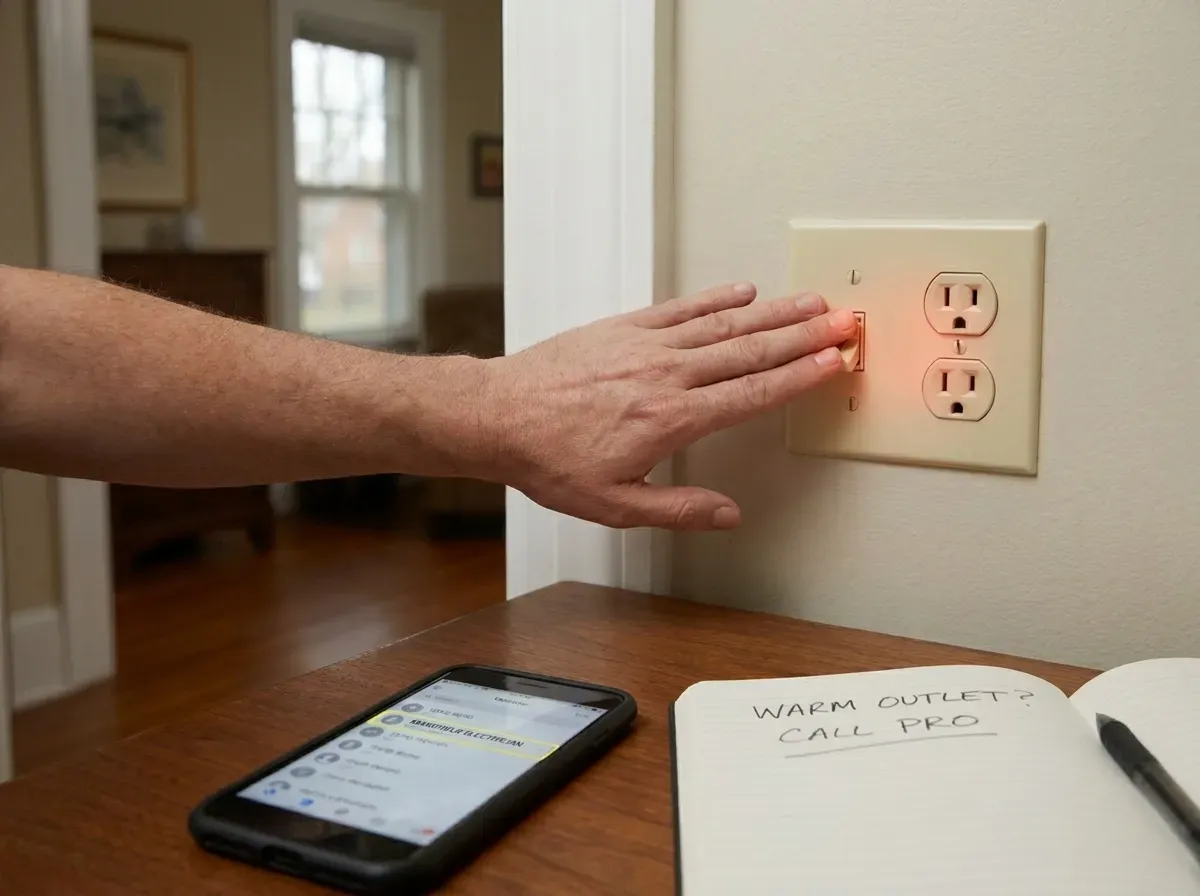
A warm electrical outlet or light switch may seem like a small issue, especially when everything connected to it still appears to work normally. However, unusual warmth can indicate a problem developing behind the wall. Loose connections, overloaded circuits, damaged wiring, or a failing outlet or switch can create excess resistance and heat.
For Mansfield, Texas property owners, recognizing this warning sign early can help prevent more serious electrical damage. A slightly warm device after operating a high-demand appliance may have a simple explanation, but an outlet or switch that stays warm, becomes hot, smells unusual, or changes color should not be ignored.
A.T. Electric LLC helps Mansfield and DFW property owners identify the source of electrical problems and determine when a repair, circuit evaluation, or larger electrical upgrade is appropriate.
Key Takeaways
- A warm outlet or switch can indicate loose wiring, overload, or a failing electrical device.
- Slight warmth after using a high-power appliance may have a different cause than constant heat.
- Hot, discolored, buzzing, or burning-smelling outlets require prompt professional attention.
- Property owners should avoid repeatedly using a suspicious outlet until the cause is identified.
- A licensed electrician can determine whether the problem involves the device, circuit, wiring, or electrical panel.
What Can Cause an Outlet or Switch to Feel Warm?
Electrical outlets and switches should generally operate without becoming noticeably hot. When a device feels warmer than surrounding outlets or switches, something may be creating additional resistance or heat.
Several conditions can contribute to this problem.
1. Loose Electrical Connections
A loose wire connection can create resistance as electricity moves through the circuit. That resistance can produce heat at the connection point.
The problem may develop inside the electrical box where the wiring connects to the receptacle or switch. Because the wiring is hidden behind the wall, property owners may not realize there is an issue until the faceplate becomes warm, discolored, or develops a burning odor.
2. An Overloaded Circuit
A circuit can become heavily loaded when multiple high-demand devices operate from the same branch circuit.
For example, a circuit serving a kitchen, garage, laundry area, or workshop may handle several appliances or tools. If the circuit is consistently carrying more electrical demand than it should, components can become warmer during use.
Repeated breaker trips, dimming lights, or warm receptacles can be signs that the circuit needs professional evaluation.
3. A Worn-Out Outlet or Switch
Electrical devices do not last forever. Repeated plugging and unplugging, mechanical wear, heat, and age can affect an outlet's internal contacts.
A worn receptacle may fail to grip a plug properly. Loose contact between the plug and receptacle can increase resistance and generate heat.
A switch can also develop worn internal contacts. If the switch feels unusually warm, makes buzzing or crackling sounds, or shows discoloration, it should be evaluated instead of repeatedly used.
4. Faulty or Damaged Wiring
Damaged insulation, loose conductors, incorrect connections, or aging wiring can contribute to overheating.
This is particularly important in older Mansfield properties where the electrical system may have been modified over the years. Previous renovations or additions may also leave behind connections that were not properly installed or that no longer match the property's current electrical demand.
Is a Warm Outlet Always Dangerous?
Not necessarily, but property owners should pay attention to how warm it is, when it becomes warm, and whether other warning signs are present.
A receptacle may feel somewhat warmer after supplying a high-power appliance for an extended period. However, an outlet that becomes hot while nothing is plugged in is more concerning.
The same applies to a light switch. A switch that becomes noticeably hot during ordinary use deserves attention, particularly if the warmth is accompanied by buzzing, crackling, discoloration, a burning smell, or intermittent operation.
Instead of trying to determine the exact cause by opening the electrical box, property owners should have the circuit evaluated by a qualified electrician.
Warm vs. Hot: What Should Mansfield Property Owners Do?
| Condition | Possible Cause | Recommended Action |
|---|---|---|
| Slight warmth after heavy appliance use | Normal operating heat or high load | Monitor and reduce unnecessary load |
| Outlet stays warm after use | Loose connection or device issue | Schedule an electrical evaluation |
| Outlet is hot to the touch | Overload, damaged device, or wiring issue | Stop using it and call an electrician |
| Burning smell or discoloration | Overheating or arcing | Turn off the circuit and seek prompt help |
The table is a general guide, not a substitute for an electrical diagnosis. Electrical components can overheat inside walls or electrical boxes without showing an obvious external problem.
What Should You Do If an Outlet or Switch Is Hot?
If an outlet or switch is noticeably hot, stop using it rather than continuing to test it with different appliances.
If you can safely identify the correct circuit breaker, turn that circuit off. Do not remove the outlet cover, pull wiring out of the electrical box, or attempt to tighten electrical connections yourself.
If you see smoke, flames, severe scorching, or an active electrical fire, leave the property and contact emergency services. Electrical fires can spread into wall cavities before visible flames appear.
For less urgent situations, a licensed electrician can inspect the device, wiring, circuit load, and related components to determine what is causing the heat.
When Should Mansfield Property Owners Call an Electrician?
A warm outlet or switch deserves professional attention when the problem is persistent or accompanied by other electrical warning signs.
Mansfield property owners should schedule an electrical evaluation if they notice:
- An outlet that remains warm when nothing is plugged in
- A switch that becomes unusually hot
- Brown, black, or yellow discoloration
- A burning or unusual electrical odor
- Buzzing, sizzling, or crackling sounds
- Plugs that fit loosely in an outlet
- Breakers that trip repeatedly
- Lights that flicker when appliances operate
- Multiple warm outlets on the same circuit
- A warm outlet in an older property
- Heat around an outlet following a recent renovation
These symptoms can point to more than a simple defective receptacle. The underlying issue may involve circuit capacity, wiring, connections, grounding, or the electrical panel.
Can Replacing the Outlet Solve the Problem?
Sometimes, but replacing the visible device does not necessarily correct the underlying cause.
If the receptacle itself is worn or damaged, replacing it may resolve the problem. However, if the heat comes from a loose wire, overloaded circuit, damaged conductor, or panel-related issue, installing a new outlet alone may only hide the symptom temporarily.
A proper electrical evaluation should determine why the original device became warm before deciding what needs to be replaced.
This approach helps Mansfield property owners avoid repeatedly replacing outlets when the actual problem exists elsewhere in the electrical system.
Why Older Mansfield Properties May Need Extra Attention
Electrical systems are designed around the demands of the property at the time they are installed. Modern homes use more electronics, appliances, HVAC equipment, home offices, entertainment systems, and other electrical loads than many older homes were originally designed to handle.
A property may also have changed significantly after renovations. A garage could now function as a workshop. A bedroom might have become a home office. A kitchen may contain additional appliances. These changes can increase demand on existing circuits.
If warm outlets or switches appear after adding new equipment or remodeling a room, it is worth having the electrical system evaluated rather than assuming the device itself is the only problem.
How A.T. Electric LLC Can Help
A warm outlet or switch is a symptom. The important question is what is causing it.
A professional electrical evaluation can help identify whether the problem involves the receptacle, switch, wiring, circuit load, connections, or electrical panel. Addressing the actual cause can reduce the possibility of continued overheating and help keep the electrical system operating safely.
For Mansfield and surrounding DFW property owners, early attention can also prevent a small electrical issue from becoming a larger repair.
If an outlet or switch is hot, discolored, buzzing, or producing an unusual smell, avoid using it and contact a qualified electrician for an appropriate evaluation.
Frequently Asked Questions
Is it normal for an electrical outlet to feel warm?
An outlet may feel slightly warm after supplying a high-demand appliance, but it should not become noticeably hot. Persistent or increasing warmth can indicate a loose connection, overloaded circuit, damaged outlet, or wiring problem and should be evaluated.
Should I replace a warm outlet myself?
It is safer to have a qualified electrician determine why the outlet is warm before replacing it. The visible receptacle may not be the source of the problem. Wiring, connections, circuit capacity, or other electrical components may also need inspection.
Why is my light switch warm when the light is on?
A warm switch can result from a heavily loaded circuit, a failing switch, loose connections, or another electrical issue. If the switch becomes hot, buzzes, smells like burning, or shows discoloration, stop using it and arrange for professional electrical service.