What Recessed Lighting Design Can Solve and When Mansfield Property Owners Should Call
Good lighting can change how a room looks and how comfortably you use it. For Mansfield and DFW property owners, recessed lighting can provide a clean way to improve brightness without taking up ceiling or floor space.
However, installing recessed lights is more than cutting holes in a ceiling and connecting fixtures. The location, spacing, wiring, ceiling construction, existing electrical system, and type of lighting all need to work together.
A professional recessed lighting installation can help homeowners create better lighting while keeping the design practical and safe.
Understanding what recessed lighting can solve and when to call an electrician can help you plan the project before installation begins.

What Is Recessed Lighting?
Recessed lighting is installed into the ceiling so the fixture sits inside or nearly flush with the ceiling surface. Instead of hanging down like a traditional pendant or chandelier, the light provides illumination from above while keeping the ceiling appearance clean.
Recessed lights can be used in many areas of a home, including:
- Kitchens
- Living rooms
- Bedrooms
- Hallways
- Bathrooms
- Home offices
- Garages
- Entryways
The right fixture and placement depend on the room and the type of lighting you want.
For example, kitchen lighting may need to illuminate countertops and work areas, while living room lighting may focus more on general brightness and comfort.
What Problems Can Recessed Lighting Design Solve?
A well planned lighting layout can solve several common problems that homeowners experience with existing fixtures.
Dark Areas in a Room
One ceiling fixture may not provide enough light for a large room.
You may notice dark corners, poorly lit walkways, or areas that are difficult to use at night.
Recessed lights can distribute light across a larger area when they are positioned correctly.
Uneven Lighting
Some rooms have bright areas directly underneath a fixture while the rest of the room remains dim.
A recessed lighting design can spread multiple light sources throughout the room instead of concentrating all the illumination in one location.
Limited Ceiling Space
Some homeowners want better lighting without adding hanging fixtures.
Because recessed fixtures sit within the ceiling, they can provide illumination without taking up the same visual space as pendant lights, chandeliers, or ceiling mounted fixtures.
Outdated Lighting
Older homes may have lighting layouts designed around the needs of a different time.
If you have a room that relies on one outdated fixture, adding or replacing lighting can make the space more useful.
A professional recessed lighting installation can be part of a larger electrical and lighting upgrade.
Why Does Recessed Lighting Require Planning?
Recessed lighting may look simple after it is installed, but there are several factors to consider before cutting into the ceiling.
The electrician needs to understand the existing wiring, ceiling construction, fixture requirements, switch configuration, and location of other electrical components.
The spacing between fixtures also matters.
Installing too many lights can make a room feel overly bright, while installing too few may leave dark areas.
The goal is to create a lighting layout that matches the room's purpose.
What Should Mansfield Property Owners Consider Before Installation?
Room Size and Purpose
Start by considering what happens in the room.
A kitchen used for cooking and food preparation may require different lighting than a bedroom or living room.
Think about where you work, read, cook, walk, or spend most of your time.
This can help determine where additional illumination would be useful.
Ceiling Construction
The type of ceiling can affect the installation process.
Attic access, insulation, ceiling joists, existing wiring, and other conditions may need to be considered before recessed fixtures are installed.
A professional can inspect the area and determine how the installation can be completed.
Existing Electrical Wiring
Adding multiple recessed lights may require changes to existing wiring.
The electrician can evaluate whether the current circuit and wiring are appropriate for the planned lighting system.
If the home has older electrical components or existing electrical issues, those conditions should be addressed before adding new fixtures.
Switch Location
Think about how you want the lights controlled.
You may want a single switch for all fixtures or separate controls for different areas.
For example, kitchen task lighting and general room lighting may be more useful when controlled separately.
Light Placement
The fixture locations should support the way the room is used.
Lights may be positioned to illuminate countertops, seating areas, artwork, hallways, or other important areas.
This is where good lighting design can make a major difference.
| Consideration | Why It Matters | What an Electrician Can Evaluate |
|---|---|---|
| Room size | Determines lighting coverage | Number and spacing of fixtures |
| Ceiling construction | Affects installation access | Joists, insulation, and available space |
| Existing wiring | New fixtures add electrical demand | Circuit condition and wiring |
| Light placement | Affects brightness and shadows | Room layout and usage |
| Switches | Controls how lights operate | Existing and new switch locations |
Planning these details before installation can help prevent changes after the ceiling work has already started.
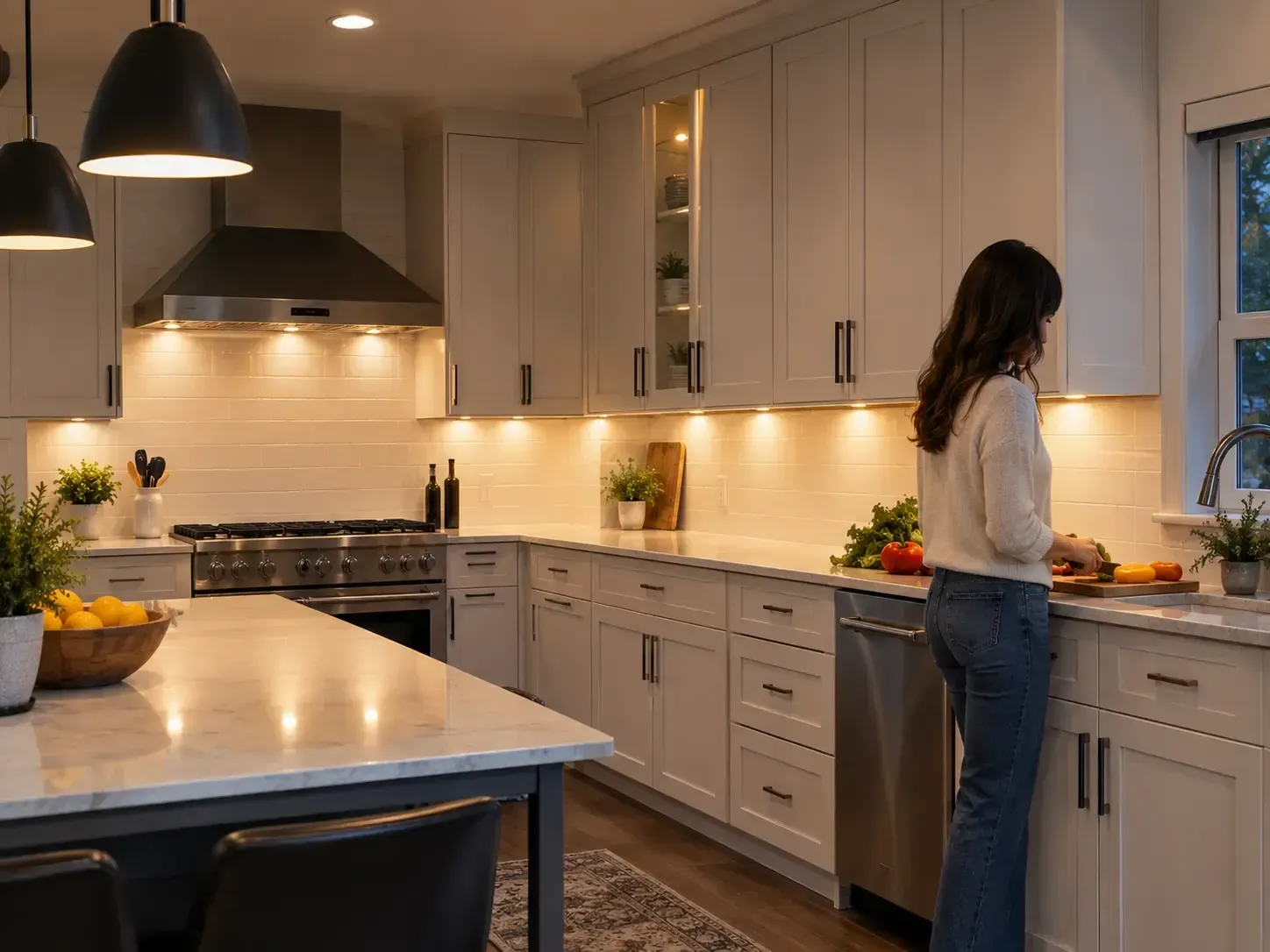
Can Recessed Lighting Improve a Kitchen?
Yes. Kitchens are one of the areas where recessed lighting can be particularly useful.
A single central fixture may leave countertops or food preparation areas in shadow.
Recessed lights can be positioned to provide more direct illumination over areas where you regularly work.
However, recessed lighting should not automatically replace every other type of kitchen lighting.
Pendant fixtures, under cabinet lighting, and other fixtures can provide additional layers of illumination.
An electrician can help you plan how the different lighting sources can work together.
Can Recessed Lighting Work in Older Mansfield Homes?
It can, but older homes may require additional planning.
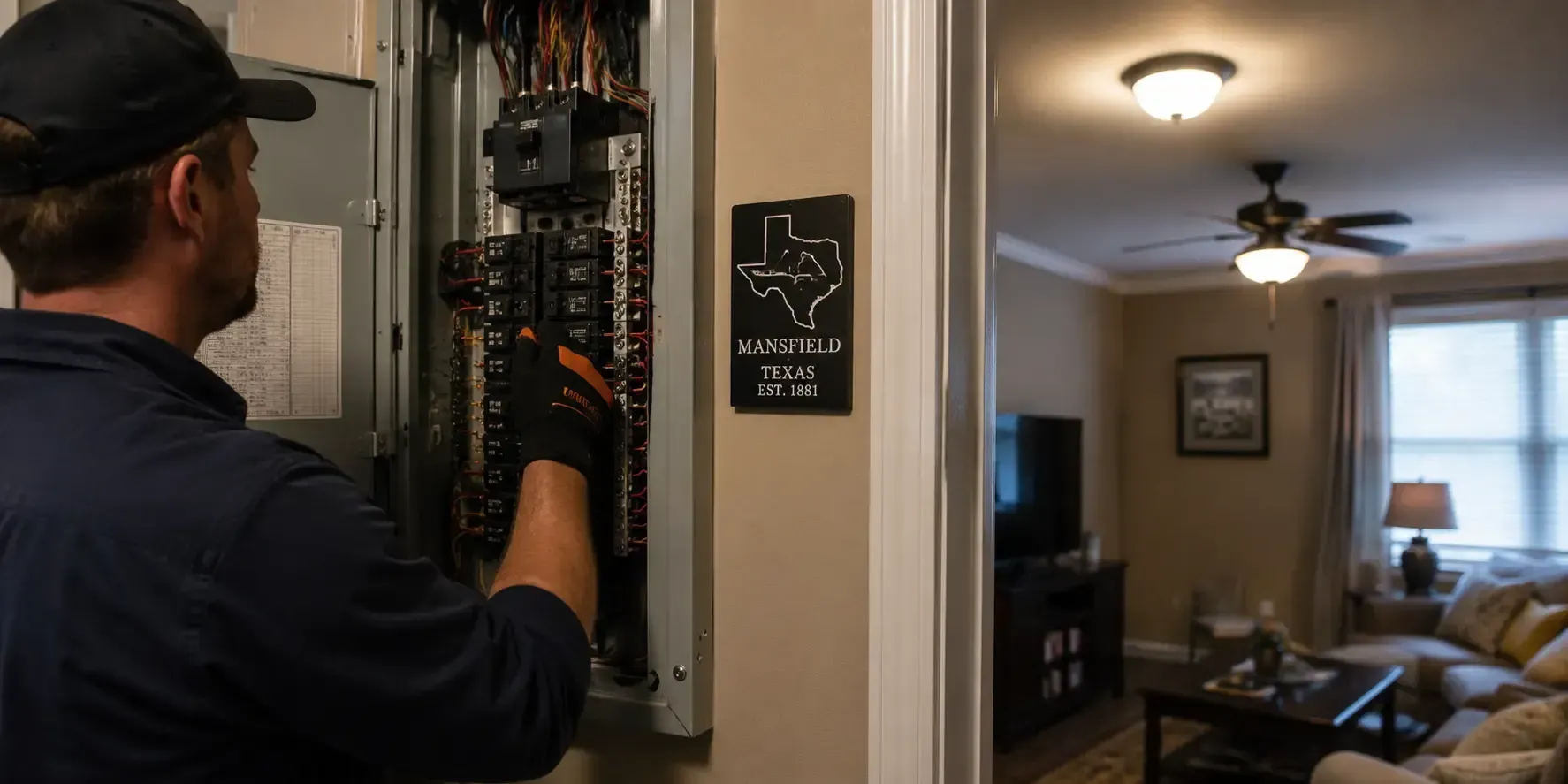
The electrical panel, wiring, ceiling construction, and existing circuits may differ from those found in newer properties.
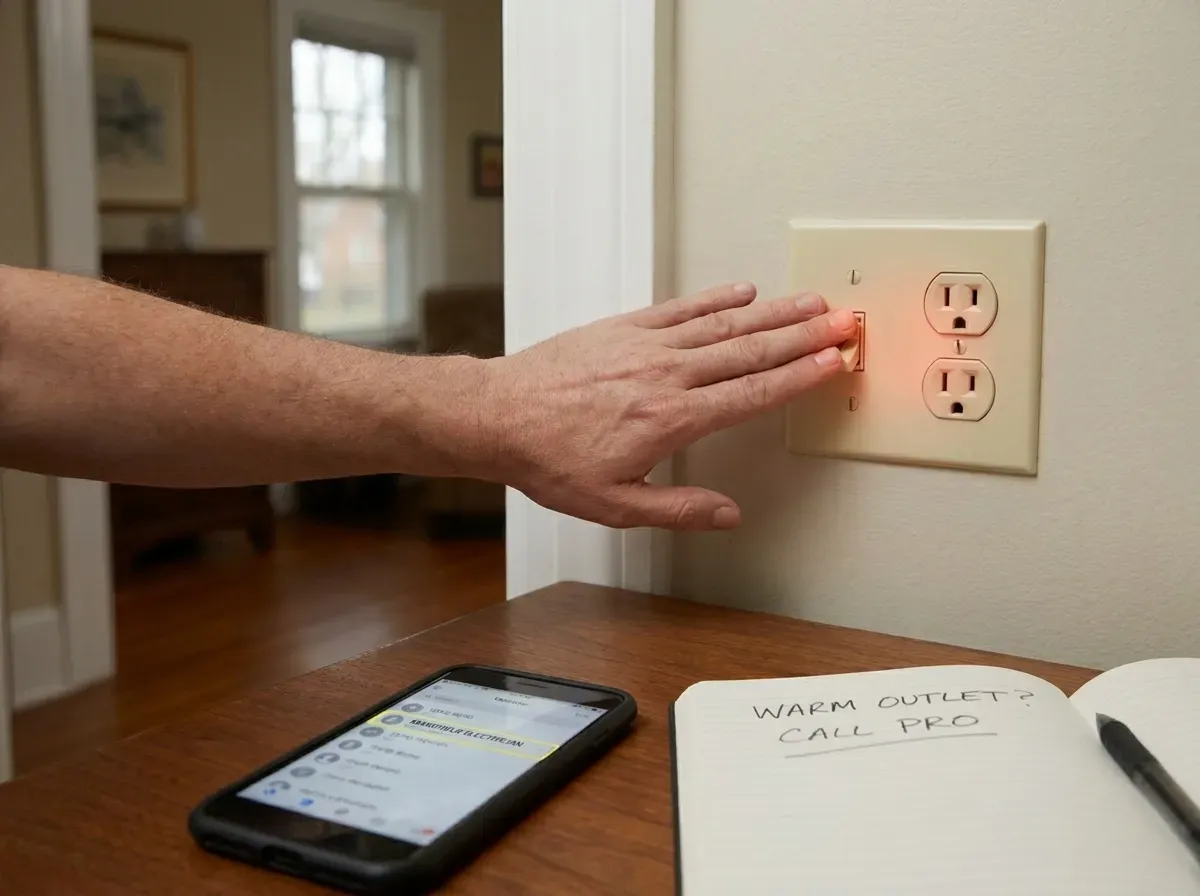
If your home has older wiring, frequently tripping breakers, flickering lights, or other electrical concerns, it is worth having the system evaluated before beginning a new lighting project.
A professional can determine whether the existing electrical system is ready for the planned recessed lighting installation.
What Are Signs You Should Call an Electrician?
Some lighting projects are more involved than simply replacing an existing fixture.
Mansfield property owners should consider professional help when:
- You want to add multiple recessed lights
- New wiring is required
- The ceiling needs to be opened
- Your electrical panel is older
- Breakers trip frequently
- Lights flicker when appliances operate
- You want multiple switches or dimmers
- You are unsure which fixtures are suitable
- The installation involves insulated ceilings
- You want to combine recessed lighting with other electrical upgrades
These conditions do not necessarily mean there is a major electrical problem.
They simply indicate that professional planning can help avoid mistakes.
Why Should You Avoid DIY Recessed Lighting Installation?
Recessed lighting involves electrical wiring and work inside the ceiling.
An incorrect installation can create problems with wiring, connections, fixture compatibility, or other components.
Ceiling conditions also matter. Insulation and other materials around lighting fixtures need to be considered when selecting and installing recessed lighting.
A professional recessed lighting installation allows the electrical system and fixture locations to be evaluated before work begins.
This can help Mansfield homeowners avoid unnecessary ceiling repairs and create a lighting layout that works for the room.
When Should Mansfield Property Owners Call A.T. Electric?
If you are unsure where recessed lights should go or whether your electrical system can support additional fixtures, it is a good time to speak with an electrician.
A.T. Electric can help evaluate the electrical conditions and discuss your lighting goals.
Professional planning is especially helpful when you are remodeling a kitchen, updating an older home, improving a dark living area, or adding multiple fixtures throughout the property.
Plan Your Recessed Lighting Before the Installation Starts
Recessed lighting can provide a clean and practical way to improve a home's lighting.
But the best results come from planning the entire layout before installation begins.
Consider the room's purpose, ceiling construction, existing wiring, switch locations, fixture type, and areas that need additional illumination.
For Mansfield and DFW property owners, a professional evaluation can help make sure the lighting design works with both the home and its existing electrical system.
Call A.T. Electric for Recessed Lighting Installation in Mansfield
Whether you are updating a single room or planning lighting throughout your home, the right design can make everyday spaces brighter and more comfortable.
A.T. Electric can help Mansfield and DFW property owners evaluate their electrical systems and plan a professional recessed lighting installation based on their home's needs.
Call Now to discuss your recessed lighting project and find out what your Mansfield property may need before installation begins.
Frequently Asked Questions
How many recessed lights does a room need?
The number depends on the room's size, ceiling height, purpose, fixture type, and desired brightness. An electrician can help determine an appropriate layout.
Can recessed lights replace my existing ceiling light?
They can in many situations, but the electrical wiring and new fixture locations should be evaluated before installation.
Can recessed lights be installed in an insulated ceiling?
Some recessed fixtures are designed for specific ceiling conditions, but the correct fixture and installation method depend on the construction and applicable requirements.