Do Older Mansfield Homes Need Rewiring? Signs Your Electrical System Is Outdated
Key Takeaways and Insights
Older homes in Mansfield offer great character, but their aging electrical wiring poses significant safety hazards. Outdated systems, like knob-and-tube or aluminum wiring, cannot handle the power demands of modern appliances and smart home devices. Upgrading your electrical panel and rewiring your property ensures safety, compliance with current codes, and reliable power for the future.
* Frequent tripped breakers, flickering lights, and burning smells are clear signs your wiring is overloaded.
* Pre-1980s materials like aluminum wiring and ungrounded two-prong outlets drastically increase the risk of electrical fires.
* Partnering with a licensed local expert guarantees a safe, code-compliant rewiring process with minimal disruption to your daily life.
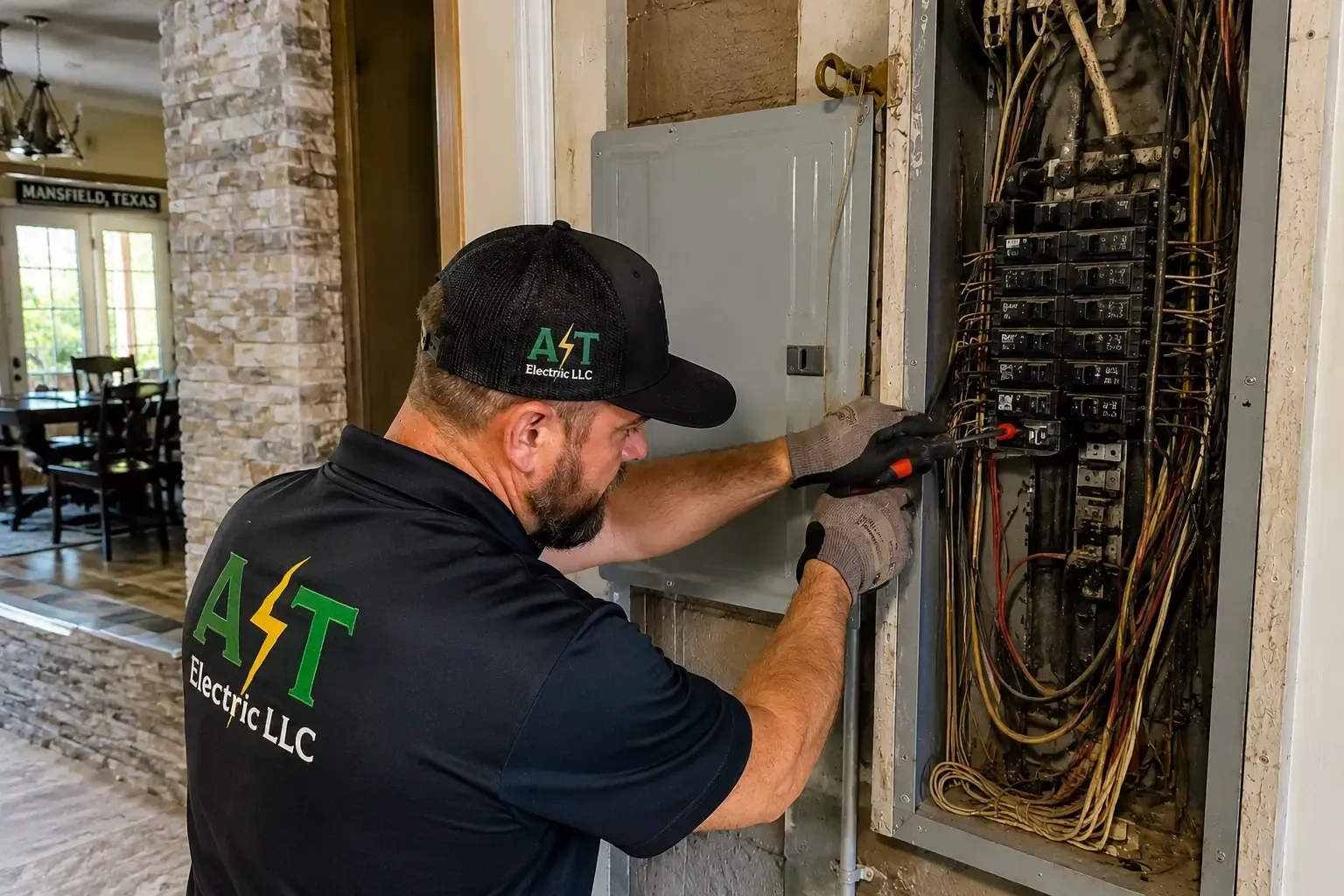
Mansfield features a beautiful blend of new developments and charming older neighborhoods. Many residents love the character and history found in the older homes across the area. However, that vintage charm often comes with a hidden hazard. The electrical wiring inside your walls might be decades out of date.
Homes built before the 1990s were simply not designed to handle modern power demands. Back then, a household only needed enough power for a few televisions, some lights, and standard appliances. Now, families rely on multiple computers, smart home devices, high-capacity HVAC systems, and electric vehicle chargers.
When you push an outdated electrical system past its limit, you risk more than just a tripped breaker. You risk electrical fires, property damage, and safety hazards for your family. Understanding the warning signs of an aging system is the first step toward protecting your property.
Why Older Mansfield Properties Face Power Challenges
The population of Mansfield has grown rapidly over the last few decades. As new families moved in, many purchased older homes and renovated the interiors. They updated kitchens, added modern bathrooms, and installed high-efficiency appliances. Yet, the foundational wiring behind the walls often remained untouched.
This creates a serious bottleneck. An older home might run on a 60-amp or 100-amp electrical panel. Modern building codes typically require at least a 200-amp panel to safely support contemporary lifestyles. When you run a modern central air conditioning system during a brutal Texas summer on an outdated panel, the system strains under the pressure.
The wires themselves also degrade over time. Insulation becomes brittle and cracks. Connections loosen after years of minor temperature fluctuations. This physical degradation turns your once-safe electrical system into a serious liability.
Key Signs Your Home Needs Professional Electrical Services
You do not have to look behind your drywall to know your system is struggling. Your house will usually give you warning signs. If you notice any of the following issues, it is time to consult a professional.
Frequent Circuit Breaker Trips
Circuit breakers exist to protect your home. They cut the power when a circuit is overloaded. A breaker tripping once in a while is normal. It might happen if you run a heavy power tool and a vacuum on the same circuit.
However, if you have to reset your breakers multiple times a week, you have a problem. This frequent tripping means your daily power usage exceeds the capacity of your existing wiring. Ignoring this sign can lead to overheated wires and melted insulation.
Flickering or Dimming Lights
Do your lights dim for a second when the air conditioner turns on? Do they flicker when you plug in a high-wattage appliance like a microwave? This is a classic symptom of an overloaded electrical circuit.
When a major appliance draws power, it pulls current away from the lighting circuits. A modern electrical system has dedicated circuits and sufficient capacity to prevent this. If your lights act like a disco ball, your wiring is likely outdated.
Discolored Outlets or Strange Odors
This is an immediate red flag. Take a close look at the plastic faceplates on your wall outlets. If you see brown, yellow, or black scorch marks, your wiring is overheating. The heat from the wires is physically melting and burning the plastic.
Similarly, pay attention to how your home smells. A persistent burning odor or a faint smell of melting plastic near your walls requires immediate attention. Turn off the power at the breaker and contact an expert right away.
Two-Prong Outlets and Lack of GFCIs
Older homes often feature two-prong outlets throughout the property. These outlets lack a grounding wire. The ground wire is a crucial safety feature that gives stray electricity a safe path to the earth. Without it, a power surge could travel through your electronics or even through you.
Furthermore, older homes often lack Ground Fault Circuit Interrupter (GFCI) outlets. These are the outlets with the small "Test" and "Reset" buttons. They are mandatory in modern homes near water sources like kitchens and bathrooms. If your home still uses standard outlets near sinks, your system is dangerously out of date.
The Hidden Dangers of Knob and Tube or Aluminum Wiring
The materials used for electrical wiring have changed significantly over the last century. Some historic homes in the Mansfield area might still contain obsolete materials. These old materials pose severe safety risks.
Knob and Tube Wiring
Homes built before the 1950s might have knob and tube wiring. This system uses porcelain knobs to secure wires and ceramic tubes to guide them through wooden joists. The primary issue is that the wires are completely ungrounded.
Knob and tube wiring also uses cloth insulation. Over decades, this cloth becomes incredibly brittle and flakes away. This leaves bare, live wires exposed inside your walls. Many insurance companies will refuse to insure a home that still uses an active knob and tube system.
Aluminum Wiring
During the late 1960s and early 1970s, copper prices skyrocketed. Builders started using aluminum wiring as a cheaper alternative. Unfortunately, aluminum expands and contracts much more than copper when it heats up and cools down.
This constant movement causes the connections at outlets and switches to become loose. Loose connections create electrical arcing. Arcing generates intense heat and is a leading cause of electrical fires in homes from this era.
Comparing Outdated and Modern Electrical Systems
Understanding the technical differences between old and new systems helps clarify why upgrades are necessary. The following table highlights the contrast between outdated setups and modern standards.
| System Feature | Pre-1980s Wiring | Modern Standard (2020s) | Safety Risk Level |
|---|---|---|---|
| Panel Capacity | 60 to 100 Amps | 200 Amps or higher | High |
| Grounding | Un-grounded (2-prong) | Fully Grounded (3-prong) | High |
| Wet Area Safety | Standard Outlets | GFCI Protected Outlets | High |
| Wire Material | Aluminum or Cloth-covered | Copper with PVC Insulation | Severe |
| Fire Protection | Standard Breakers | AFCI (Arc-Fault) Breakers | Moderate to High |
Upgrading to modern standards eliminates these high-risk factors. It provides a stable, secure foundation for your daily life.
What to Expect During a Home Rewiring Project
Many homeowners avoid rewiring because they fear the disruption. While rewiring is a major project, a professional team minimizes the impact on your daily routine. Here is a brief look at the standard process.
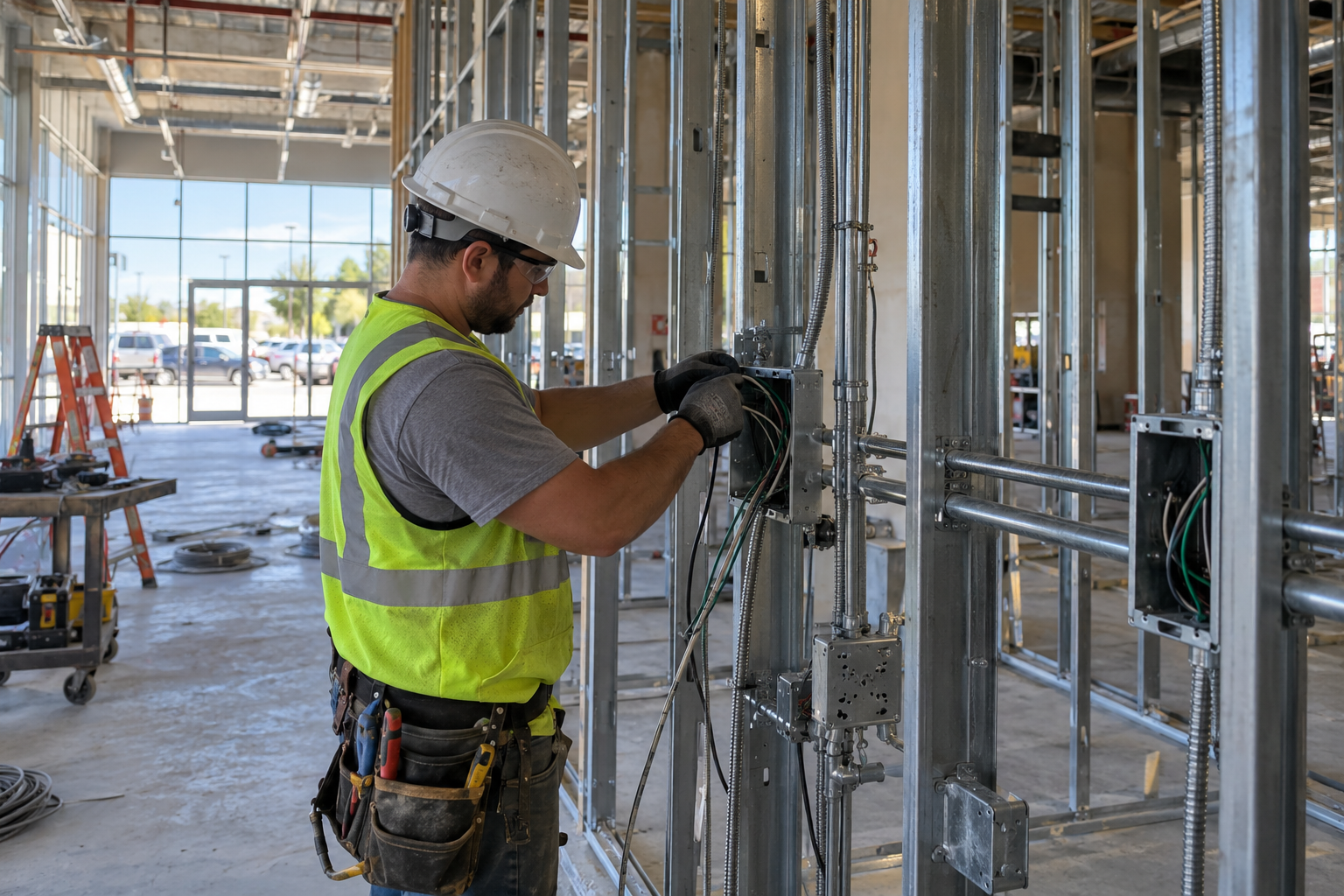
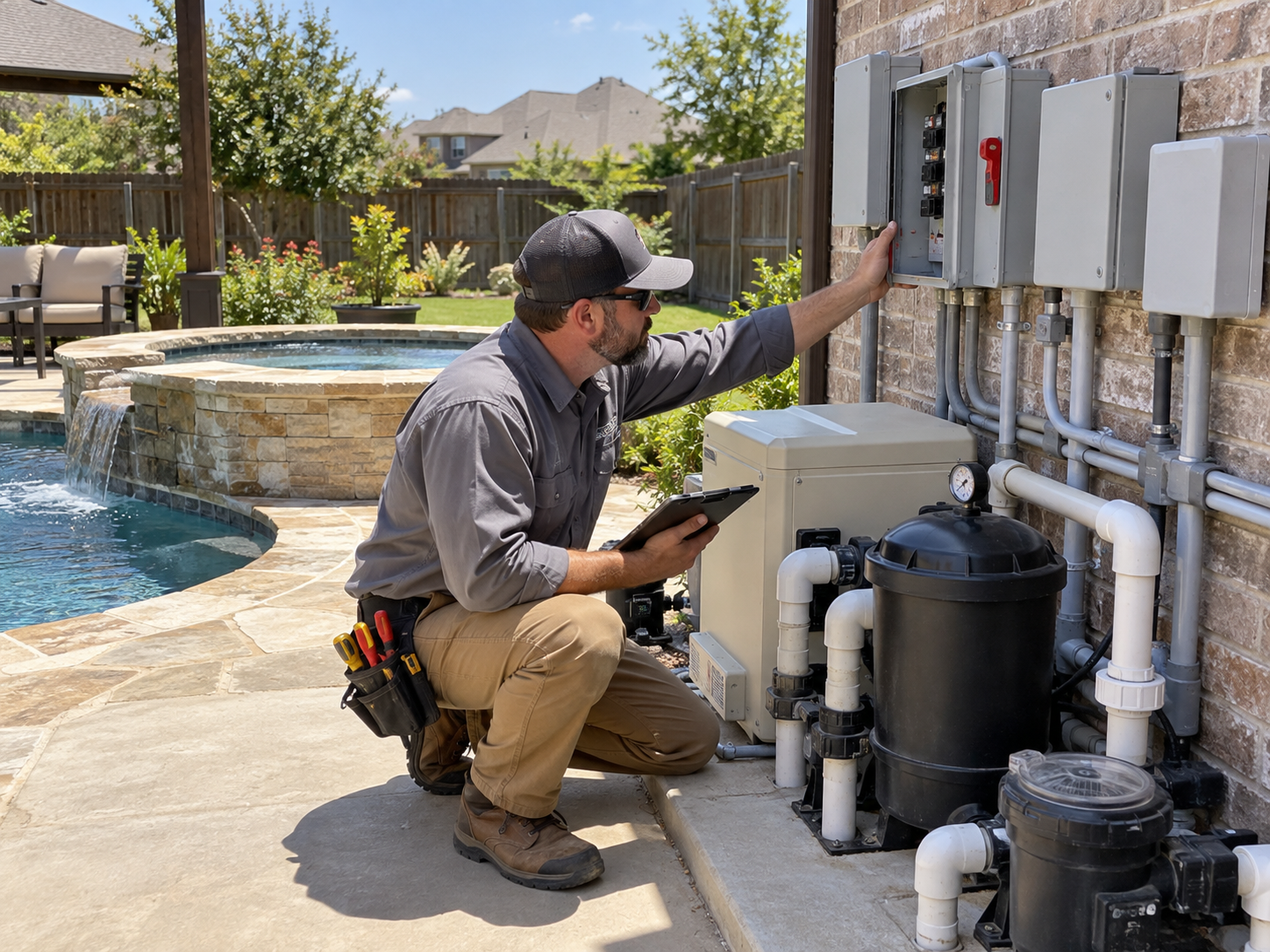
First, an electrician performs a comprehensive inspection. They map out your current circuits and evaluate the overall condition of your panel. They will listen to your specific needs. If you plan to install a hot tub, an electric vehicle charger, or solar panels, they will factor that into the design.
Next, the team creates a detailed plan. They determine the most efficient routes for the new wiring. Modern electricians have specialized tools to snake wires behind walls with minimal drywall damage. You will not have to tear down every wall in your house. Small, strategic access holes are usually all that is needed.
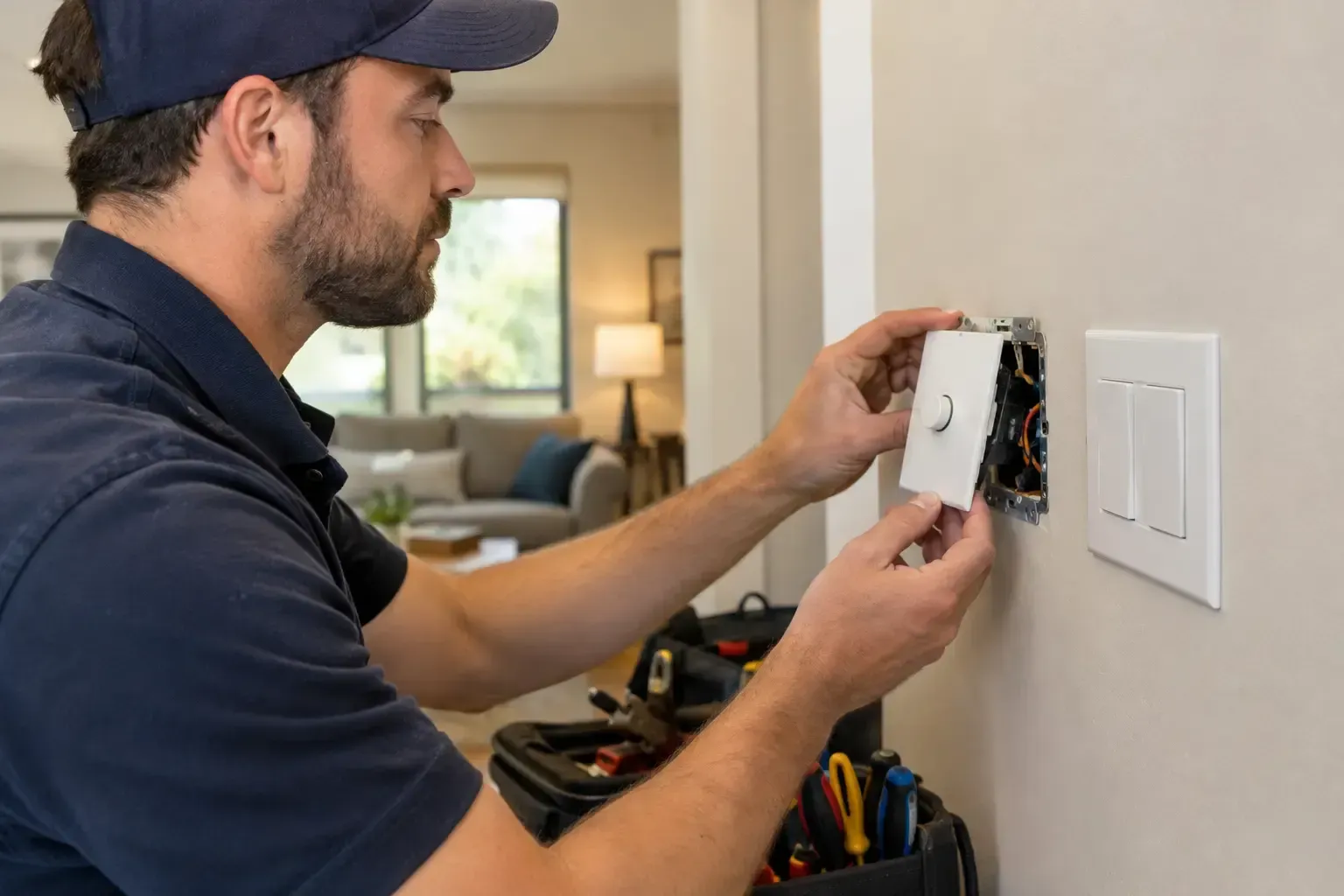
During the installation phase, the team removes the old, dangerous wiring. They pull fresh copper wires through your walls, attic, and crawlspaces. They install new, grounded outlets and high-capacity circuits.
Finally, they patch the access holes and clean up the work areas. A city inspector will review the project to ensure everything meets the latest safety codes. You are left with a safe, reliable house that is ready for the future.
Upgrading Your Electrical Panel for the Future
Rewiring a house usually goes hand in hand with a panel upgrade. Your electrical panel is the heart of your home. It distributes power from the utility company to every room. If the heart is weak, the rest of the system suffers.
A new 200-amp or 400-amp panel prepares your property for the next few decades. It gives you the overhead capacity to add heavy appliances without worry. It allows you to integrate smart home technology safely.
If you are planning any major remodeling, you should evaluate your panel first. A kitchen remodel with a double oven and induction cooktop requires substantial power. Relying on an expert for residential electrical upgrades ensures your renovation plans go smoothly.
Working with a Trusted Local Team
Dealing with outdated wiring is not a weekend DIY project. Electricity is unforgiving. A single mistake can result in severe injury or a devastating fire. You need a licensed, experienced professional to assess your property.
Local experts understand the specific building codes in Mansfield. They know what permits are required and how to navigate the inspection process. They bring the right tools, knowledge, and insurance to protect your investment.
Your family deserves to feel safe and comfortable in their own home. You should be able to run your air conditioner and your microwave at the same time without fear. By addressing outdated electrical components now, you prevent catastrophic failures later.
Protecting Your Property and Family
If you suspect your wiring is obsolete, do not wait for a small issue to become a major disaster. Pay attention to the warning signs. Frequent tripped breakers, flickering lights, and burning smells are cries for help from your walls.
Take proactive steps to secure your property. For professional assessments and reliable solutions, trust AT Electric LLC to handle your needs. Our team is dedicated to keeping Mansfield homes safe, efficient, and fully powered. If you are ready to modernize your system, reach out to our local team and schedule a consultation today. We are located at 7920 Rodeo Trl Ste 240 Mansfield, TX 76063, and you can call us at +1 682 582-5500.
Frequently Asked Questions
How much does it cost to rewire an older house?
The cost varies widely based on the size of your home and the complexity of the project. Factors include the accessibility of the wires and whether you need a new electrical panel. A licensed electrician must provide an in-home assessment to give you an accurate estimate.
Do I have to move out while my house is being rewired?
In most cases, you do not have to move out. Professional electricians work room by room to minimize disruption. However, you will experience temporary power outages in the specific zones they are working on during the day.
Will rewiring damage my walls and ceilings?
Electricians use specialized tools to fish wires through walls, which minimizes damage. Some small holes may need to be cut in the drywall to access tricky areas. A reputable team will keep this damage to an absolute minimum and explain the patching process.