Why Does My GFCI Outlet Keep Tripping? Common Causes and Solutions
Key Takeaways and Insights
A GFCI outlet that constantly trips is a clear warning sign of an electrical hazard, such as a ground fault, moisture intrusion, or an overloaded circuit. While some issues can be resolved by replacing defective appliances, persistent tripping requires the expertise of a licensed professional to ensure your home remains safe. Protect your property by taking electrical warning signs seriously and addressing underlying wiring problems promptly.
* Constantly tripping safety outlets indicate potential ground faults, moisture issues, or circuit overloads.
* Homeowners can safely test their appliances, but permanent wiring replacements should be handled by experts.
* Upgrading your receptacles and adding whole-home surge protection greatly increases your overall property safety.
Understanding Why Your GFCI Outlet Keeps Tripping
Your bathroom outlet suddenly clicks. The hair dryer stops working. You press the small reset button. A few minutes later, the exact same thing happens. This is a common and frustrating problem for many homeowners.
A Ground Fault Circuit Interrupter outlet is designed to do exactly this. It shuts off power to prevent dangerous shocks. A constantly tripping outlet can be annoying. However, it also signals a deeper issue in your home wiring. Understanding the root cause is critical for your safety. Ignoring a tripping outlet can lead to serious hazards. You must address the problem rather than just pressing the reset button repeatedly.
This guide will explain the mechanics of these safety devices. We will cover the most common reasons they trip. We will also outline the steps you can take to troubleshoot the problem safely.
Understanding Why Your GFCI Outlet Keeps Tripping
Your bathroom outlet suddenly clicks. The hair dryer stops working. You press the small reset button. A few minutes later, the exact same thing happens. This is a common and frustrating problem for many homeowners.
A Ground Fault Circuit Interrupter outlet is designed to do exactly this. It shuts off power to prevent dangerous shocks. A constantly tripping outlet can be annoying. However, it also signals a deeper issue in your home wiring. Understanding the root cause is critical for your safety. Ignoring a tripping outlet can lead to serious hazards. You must address the problem rather than just pressing the reset button repeatedly.
This guide will explain the mechanics of these safety devices. We will cover the most common reasons they trip. We will also outline the steps you can take to troubleshoot the problem safely.
What Exactly is a GFCI Outlet?
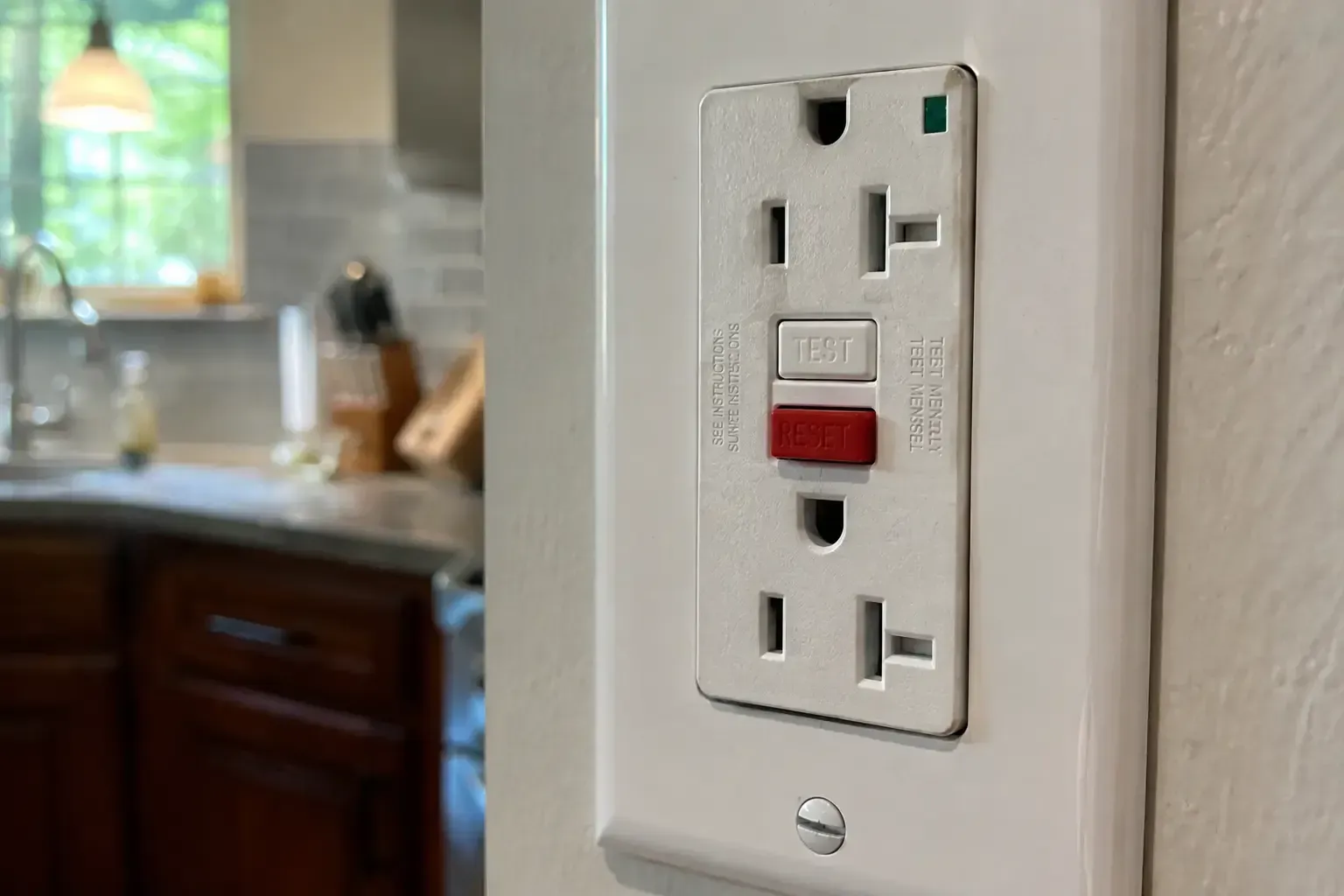
A Ground Fault Circuit Interrupter is a specialized safety device. You will typically find these outlets in bathrooms, kitchens, garages, and outdoor spaces. The National Electrical Code requires them in areas where water and electricity might mix.
These outlets monitor the flow of electrical current. Electricity flows into a plugged-in device through the hot wire. It returns through the neutral wire. The current going in should exactly match the current coming out.
If there is a difference of even a few milliamps, the device notices. This imbalance is called a ground fault. The outlet reacts in a fraction of a second. It immediately cuts the power. This rapid response prevents the rogue electricity from traveling through you. It is a vital line of defense against electrocution.
Top Reasons Your GFCI Outlet Trips Continuously
A tripping outlet is usually doing its job correctly. It is protecting you from a hazard. Here are the most frequent causes behind a persistently tripping safety receptacle.
A True Ground Fault
The most common cause is exactly what the device is built to detect. A ground fault occurs when electricity escapes its intended path. It tries to find the shortest route to the ground. This often happens if a wire inside an appliance is loose. It can also happen if the insulation on a wire is worn away. The escaped current is highly dangerous. The outlet detects this leak and shuts down the circuit immediately.
Moisture and Water Intrusion
Water conducts electricity. These outlets are located near sinks and showers for a reason. If water splashes onto the receptacle, it creates a serious hazard. High humidity can also cause problems. Steam from a hot shower can seep into the electrical box. This moisture creates an unintended path for the electricity. The outlet senses this disturbance and trips. Outdoor receptacles are especially vulnerable to rain and morning dew.
Overloaded Electrical Circuits
An overloaded circuit is another common trigger. Every circuit is rated for a maximum amount of current. You might plug a hair dryer, a space heater, and a curling iron into the same bathroom circuit. These devices draw massive amounts of power. The total current can exceed the safe limit of the wires. While regular breakers handle most overloads, modern safety receptacles are highly sensitive. They may trip as a secondary precaution to prevent the wires from overheating.
Defective or Aging Appliances
Sometimes the problem is not the wiring. The problem is the device you are plugging into the wall. Older appliances often have degraded internal wiring. A malfunctioning blender or an old power tool can leak a tiny amount of current. You might not notice it. The safety receptacle will notice it immediately.
Aging or Faulty Receptacles
These devices do not last forever. The internal sensors can wear out over time. A typical unit lasts roughly ten to fifteen years. Constant power surges can degrade the internal components faster. If a receptacle is failing, it becomes overly sensitive. It might trip when nothing is plugged in. It might refuse to reset entirely. In these cases, the unit must be completely replaced.
Diagnostic Steps Before Calling an Expert
You can perform some basic troubleshooting safely. You should never open the electrical panel or remove the faceplate yourself. However, you can isolate the cause of the problem using simple steps.
First, unplug every single device from the problematic circuit. This includes appliances in other rooms if they share the same wiring path.
Second, press the reset button firmly. You should hear a distinct click.
Third, test the empty receptacle. Wait ten minutes. If it trips with nothing plugged in, the unit itself is likely faulty. You might also have a wiring issue hidden in the walls.
Fourth, if the power stays on, plug your devices back in one at a time. Turn each device on as you go. If the power cuts out when you plug in a specific toaster, you have found the culprit. The toaster is defective.
Quick Troubleshooting Reference
The table below outlines common symptoms and the safest recommended actions.
| Observed Symptom | Probable Cause | Recommended Action |
|---|---|---|
| Trips only during heavy rain | Outdoor moisture intrusion | Install a weatherproof outlet cover. |
| Trips when a specific tool is used | Defective appliance or tool | Test the tool on a non-GFCI outlet carefully. Replace tool if broken. |
| Button refuses to stay reset | Worn out internal mechanism | Schedule a professional replacement for the receptacle. |
| Trips when multiple items run | Circuit overload | Move heavy appliances to separate circuits. |
When to Call for Professional Electrical Services
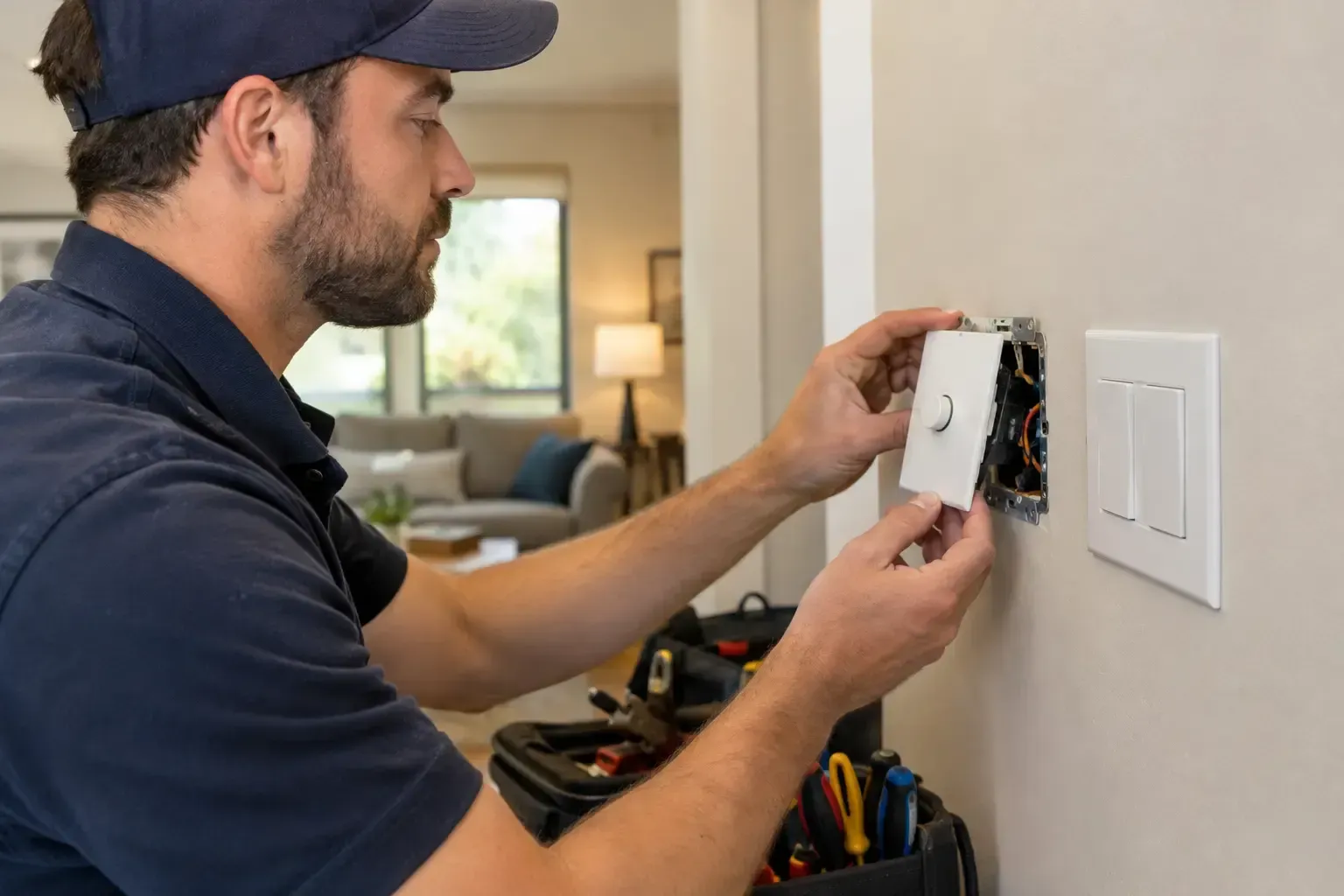
You might be tempted to replace a faulty unit yourself. This is rarely a good idea. Working with live wires carries severe risks. A simple mistake can lead to a fire. It can also result in a fatal shock
You should hire an expert for any permanent wiring repairs. Reputable professional Electrical Services ensure your home remains entirely safe. A licensed technician can test the continuity of your wiring. They can identify hidden shorts behind your drywall. They can also verify that the new unit is properly grounded.
If your receptacle trips when it rains, water is likely entering the electrical box. A professional can install proper weatherproof covers. If your circuit is constantly overloading, you might need a dedicated circuit installed. A trained expert will provide the exact solution your home needs to meet modern safety codes.
The Role of Whole Home Protection
Individual safety receptacles protect you from shocks. However, they do not protect your valuable electronics from power spikes. A massive spike from a lightning strike can destroy the sensitive sensors inside your safety outlets.
You need comprehensive protection for true peace of mind. A ground fault protector saves lives. A surge protector saves your expensive appliances and home wiring. These two systems work perfectly together. You can learn more about protecting your entire property by exploring our options for surge protection installations. Upgrading your panel with comprehensive safety measures is a wise investment for any homeowner.
Trusted Solutions in Mansfield, Texas
Maintaining the safety of your home is our highest priority. You deserve reliable and honest support when electrical problems arise. AT Electric LLC is proud to serve families and businesses throughout our local community. We are located right here in Mansfield, Texas.
Our licensed experts handle everything from simple repairs to complete system upgrades. We bring years of practical experience to every single job. We ensure your home is secure and up to code.
Residents of Mansfield and the surrounding areas can rely on AT Electric LLC for reliable and safe repairs. We provide top-tier Electrical Services to keep your home running smoothly. Our team operates directly from 7920 Rodeo Trl Ste 240 Mansfield, TX 76063.
We understand the specific demands placed on local electrical systems. If you are struggling with failing outlets or suspect faulty wiring, do not wait for an emergency to occur. You can easily reach out to our team directly to schedule a comprehensive safety inspection.
Frequently Asked Questions
Can I just tape the reset button down?
You must never do this. Taping the button down disables the safety mechanism completely. This creates an extreme risk of fire and electrocution. If the button will not stay down on its own, there is a serious fault that requires immediate professional attention.
Why does my garage outlet trip when it rains heavily?
Outdoor moisture can increase humidity levels inside your garage. Condensation can build up inside the electrical box. This moisture creates a small electrical leak. Installing proper weather-resistant receptacles and sealed covers will usually solve this frustrating problem.
Are these special outlets required in older homes?
Modern building codes require them in all wet areas. Older homes are often grandfathered into past codes. However, upgrading your older standard receptacles to modern safety versions is highly recommended. It is a very cost-effective way to drastically improve your family safety.