How Do I Know If My Electrical Panel Is Overloaded?
Key Takeaways and Insights
Understanding the limits of your home's electrical panel is critical for fire prevention and property safety. This guide breaks down the physical warning signs of an overloaded system, including tripping breakers, flickering lights, and burning smells. By recognizing these red flags early, homeowners can take immediate action to protect their families and modern appliances.
* Constant breaker tripping and dimming lights indicate your panel cannot meet your home's power demands.
* Buzzing sounds or a warm breaker box require immediate professional inspection to prevent electrical fires.
* Upgrading to a 200-amp panel safely supports modern additions like EV chargers and heavy HVAC usage.
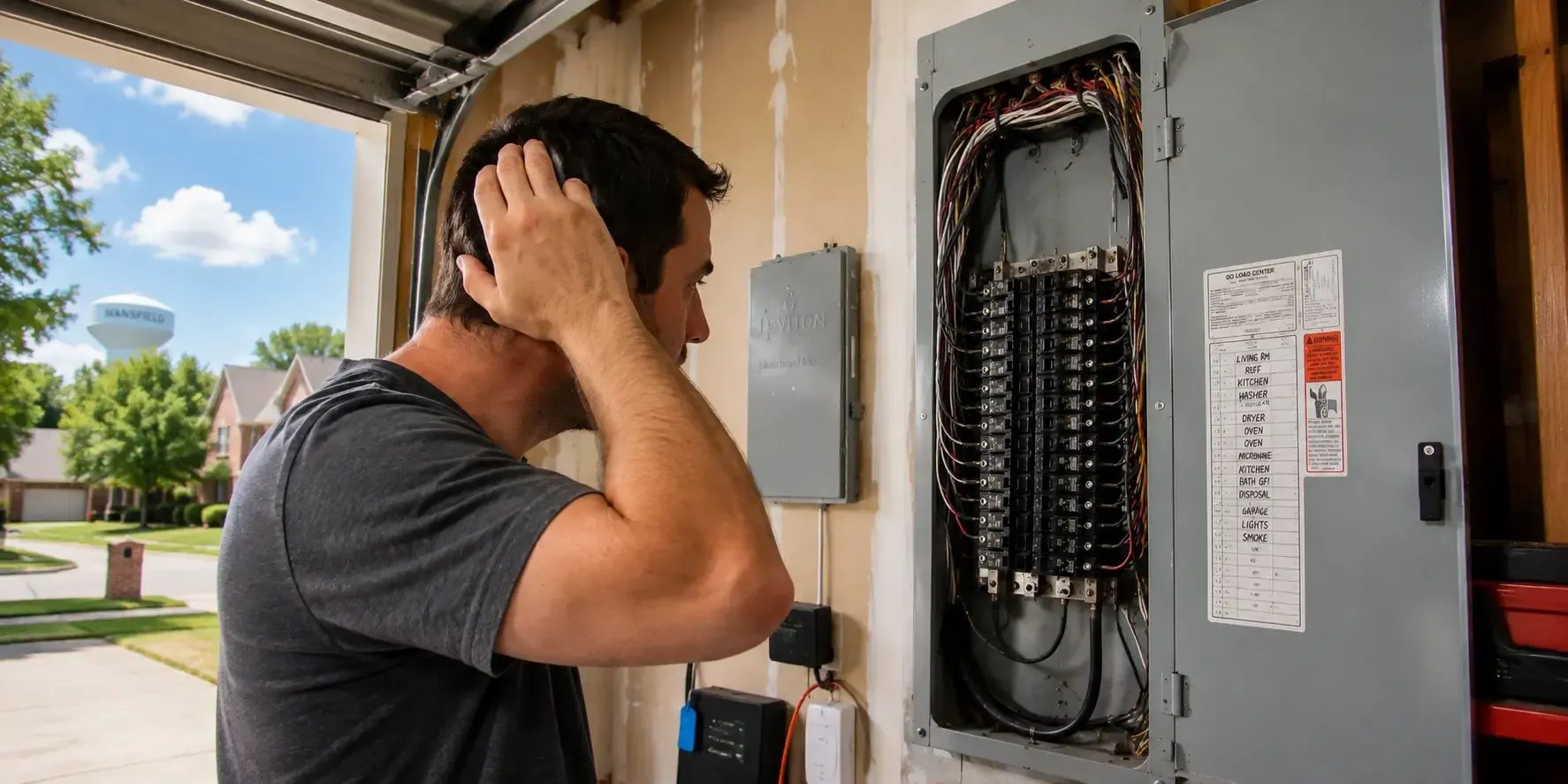
Every year, homeowners plug more devices into their wall outlets. Your heating and cooling systems run constantly during Texas summers. Smart home gadgets stay connected all day. Electric vehicles charge in the garage overnight. All this equipment draws power from one central location. Your electrical panel handles this heavy lifting. But this metal box has strict limits. If you push it too far, it becomes a severe safety hazard.
Homeowners in Mansfield, Texas, must understand these limits. Recognizing the early warning signs protects your property. It also keeps your family safe from potential electrical fires. The team at AT Electric LLC sees overloaded systems on a weekly basis. We want to help you identify the red flags before a minor issue becomes a major disaster.
Understanding How Your Panel Works
Your electrical panel distributes power throughout your entire house. Think of it as the central brain of your home wiring. Power enters from the utility company grid. The panel then splits this electricity into different branch circuits. Each circuit feeds a specific room or a specific large appliance.
Every panel has a total amperage rating. Older homes might only have a 100-amp service. Modern homes typically feature 200-amp panels to handle increased technology usage. Large luxury homes may even require 400-amp systems. When your home draws more electricity than the panel can safely process, you experience an overload.
An overload means the wires pull more current than they can handle. This excess current generates high levels of heat. Heat degrades the protective insulation around your wiring. When insulation melts, wires can spark and cause hidden fires inside your walls.
Key Signs Your Home Has an Overloaded Panel
Your electrical system will usually warn you before a complete failure happens. You just need to know what to look for. Pay close attention to the following physical signs around your house.
Frequently Tripping Breakers
Circuit breakers act as your primary safety net. They monitor the amount of electricity flowing through a specific wire. If the current exceeds safe levels, the breaker trips. This action instantly cuts the power to stop overheating.
If a breaker trips once a year, you likely have nothing to worry about. If the same breaker trips every week, you have a serious problem. Continually resetting a tripped breaker ignores the underlying issue. It forces an overloaded circuit to keep working past its safe capacity.
Dimming or Flickering Lights
You might notice your living room lights dim slightly when the air conditioner turns on. This indicates a heavy sudden draw on your electrical system. Minor dimming happens occasionally in many homes. However, severe or constant flickering points to an overloaded panel.
When your major appliances starve the rest of the house for power, your lights react first. If running your microwave makes the kitchen lights buzz and dim, your system is struggling. The panel simply cannot supply enough simultaneous power to all devices.
Buzzing Sounds and Burning Smells
Electricity should flow silently. Your electrical panel should never make noticeable noise. A faint humming or loud buzzing sound is a massive red flag. This noise often means a breaker is failing to trip despite an overload.
Worse than buzzing is the smell of burning plastic or ozone. If you notice a fishy or burning odor near your outlets or breaker box, take immediate action. This smell usually means wire insulation is melting. Turn off your main power switch immediately and call for emergency help.
Warm or Scorched Electrical Panels
Your electrical panel should always feel cool to the touch. Place your hand on the metal door of your breaker box. If the metal feels warm or hot, the internal components are overheating.
Open the panel door and look at the plastic switches. Do you see any brown or black scorch marks? Are any of the breakers slightly melted? Scorch marks provide visible proof that an overload has already caused a dangerous thermal event inside the box.
Appliance Power Draw Breakdown
Different appliances place different demands on your panel. Small electronics barely make a dent in your total capacity. Large appliances use massive amounts of energy. Understanding these power requirements helps you manage your total electrical load.
The table below highlights the typical power consumption of common household items.
| Appliance Category | Typical Wattage Draw | Standard Amperage | Impact on Electrical Load |
|---|---|---|---|
| Central Air Conditioner | 3,000 to 5,000 Watts | 30 to 50 Amps | Very High |
| Electric Water Heater | 4,500 Watts | 30 Amps | High |
| Electric Vehicle Charger | 7,200 Watts | 30 to 50 Amps | Very High |
| Standard Refrigerator | 300 to 800 Watts | 15 Amps | Low |
| Microwave Oven | 1,000 to 1,500 Watts | 20 Amps | Medium |
Why Texas Weather Impacts Your Electrical Panel
Living in Mansfield means dealing with extreme summer heat. When temperatures rise above 100 degrees, your air conditioning runs non-stop. This continuous operation places an enormous, sustained load on your main breaker panel.
During peak summer months, your system never gets a chance to rest and cool down. The continuous flow of electricity keeps the internal panel temperature high. If your panel is already near its maximum capacity, this added summer stress often triggers failures. Upgrading your capacity ensures your home remains cool and safe during July and August.
Professional Electrical Services Can Protect Your Home
Handling electrical panels is not a weekend project for a hobbyist. Opening a breaker box exposes you to lethal amounts of voltage. DIY electrical work frequently violates local building codes. It can also void your homeowner insurance policy if a fire occurs.
When you notice signs of an overload, you need professional intervention. Licensed electricians possess the tools to accurately measure your current electrical load. They can test individual breakers to see if they are failing. They also ensure that any new wiring perfectly matches municipal safety regulations.
If your home requires more power, a professional can install a larger panel. Investing in electric panel upgrades modernizes your entire system. An upgrade provides peace of mind and prepares your house for future technology additions.
The Dangers of Ignoring an Overloaded Panel
Ignoring electrical warnings puts your entire property at risk. The primary danger is a catastrophic house fire. According to national safety statistics, electrical failures cause thousands of residential fires each year. Most of these fires originate inside overloaded wall wires or crowded breaker boxes.
Beyond fire risks, overloads destroy expensive electronics. When power fluctuates wildly, it sends surges through your home. These power spikes can easily fry the delicate motherboards inside your televisions, computers, and smart appliances. Replacing a damaged panel costs far less than replacing every electronic device in your house.
Steps to Take if You Suspect an Overload
Do not panic if you spot the warning signs mentioned above. However, you must take immediate steps to reduce the risk of fire.
First, unplug unnecessary devices. If a specific circuit keeps tripping, remove heavy appliances from that area. Move your space heater or portable air conditioner to a different circuit.
Second, map out your electrical panel. Turn off one breaker at a time and see which rooms lose power. This helps you understand how the circuits are distributed. You might find that your kitchen and living room share a single, overloaded wire.
Finally, do not attempt to replace a standard breaker with a larger one. Putting a 30-amp breaker on a wire designed for 15 amps is incredibly dangerous. The wire will melt before the breaker ever trips. Always consult an expert for proper sizing.
Serving Homeowners in Mansfield and Beyond
Your safety is our top priority. We proudly serve our local community from our headquarters at 7920 Rodeo Trl Ste 240 Mansfield, TX 76063. We understand the specific electrical challenges faced by homes in this region.
Whether you live in a brand new build or a historic property, we have the expertise to help. If you are experiencing flickering lights, tripped breakers, or warm electrical panels, do not wait. Protect your property by scheduling a professional inspection today. You can easily reach out to our team by calling +1 682 582-5500. We will accurately diagnose your overload issues and provide clear, safe solutions.
Frequently Asked Questions
How long does a standard electrical panel last?
A high-quality electrical panel typically lasts between 25 and 40 years. However, moisture damage, power surges, and heavy daily usage can shorten this lifespan. If your panel is older than 25 years, you should schedule a professional inspection to ensure it remains safe.
Can I upgrade my electrical panel myself?
No. Upgrading an electrical panel requires specialized training, proper permits, and coordination with the local utility company. Handling the main service wires is extremely dangerous. Only a licensed and insured electrician should perform panel upgrades or replacements.
What size electrical panel do I need for a modern home?
Most modern residential homes require at least a 200-amp electrical panel. This size comfortably supports central air conditioning, modern kitchen appliances, and standard electronics. If you plan to install a high-speed electric vehicle charger or a hot tub, you might need a larger service.