Should I Upgrade My Electrical Panel Before Installing an EV Charger in Mansfield, Texas?
Key Takeaways and Insights
Upgrading your home electrical panel is often a necessary step before installing a Level 2 EV charger. Older homes with 100-amp panels cannot safely handle the massive continuous power draw required by modern electric vehicles. Partnering with a licensed local electrician ensures your home can safely support your new vehicle without risking electrical fires or overloaded circuits.
* Level 2 EV chargers draw a massive continuous load that can easily overwhelm outdated 100-amp electrical panels.
* Frequent breaker trips, dimming lights, and buzzing sounds are critical warning signs that your panel requires a capacity upgrade.
* Upgrading to a 200-amp panel future-proofs your home for EV charging, heavy summer AC usage, and additional large appliances.
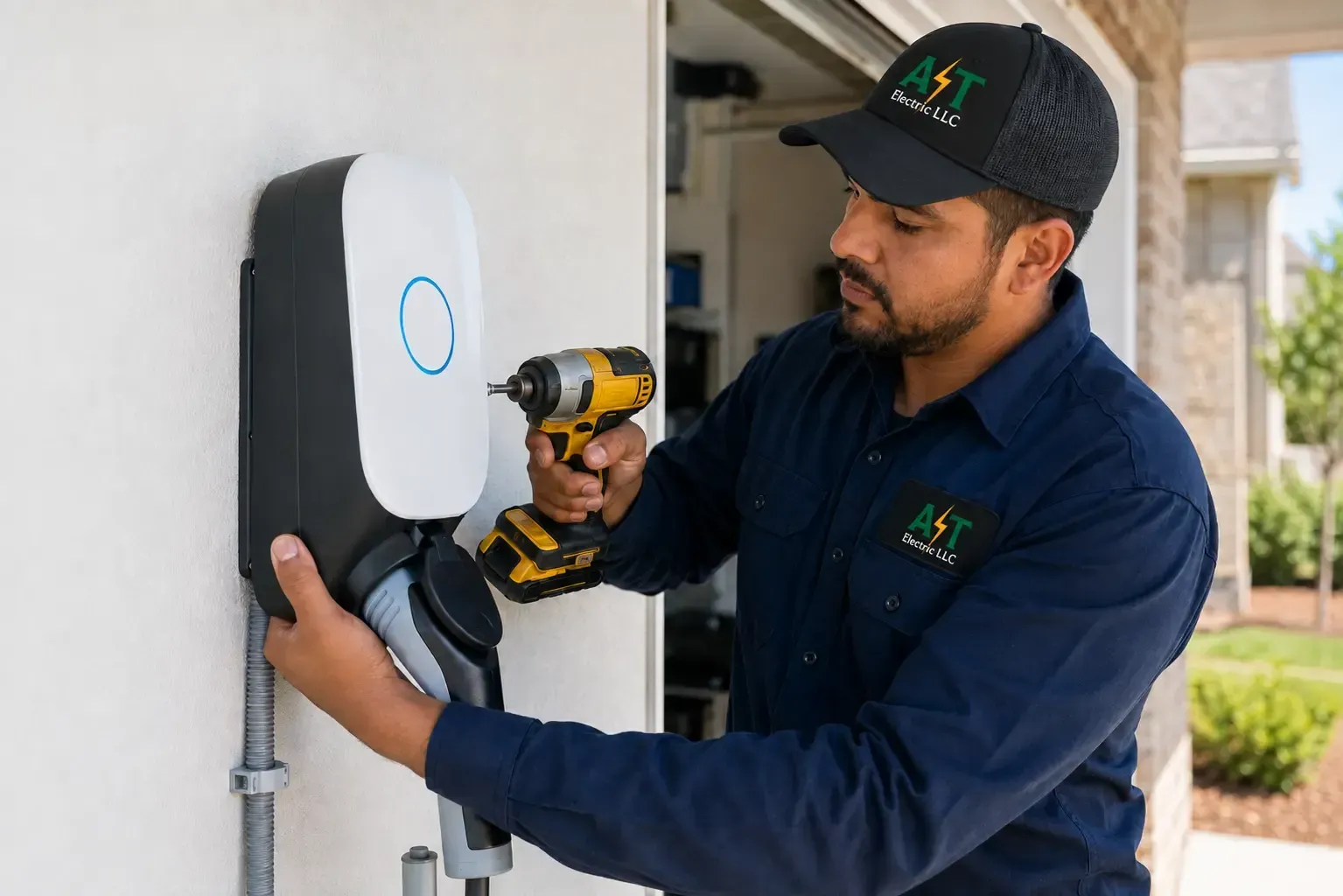
Bringing an electric vehicle into your garage is an exciting milestone. You get to skip the local gas stations completely. You also drastically lower your carbon footprint. However, charging a car at home requires a massive amount of electricity. This sudden demand can overwhelm your existing home infrastructure.
Many homeowners ask if they need a panel upgrade before plugging in their new vehicle. The answer depends heavily on the age of your home and your current power capacity. Plugging a high-powered charger into an outdated system can lead to serious hazards. It can cause frequent breaker trips or even electrical fires.
This guide will help you understand your home power system. We will explore how EV chargers impact your daily power consumption. We will also help you determine if your Mansfield home is ready for the future of transportation.
Understanding Your Home Electrical Panel
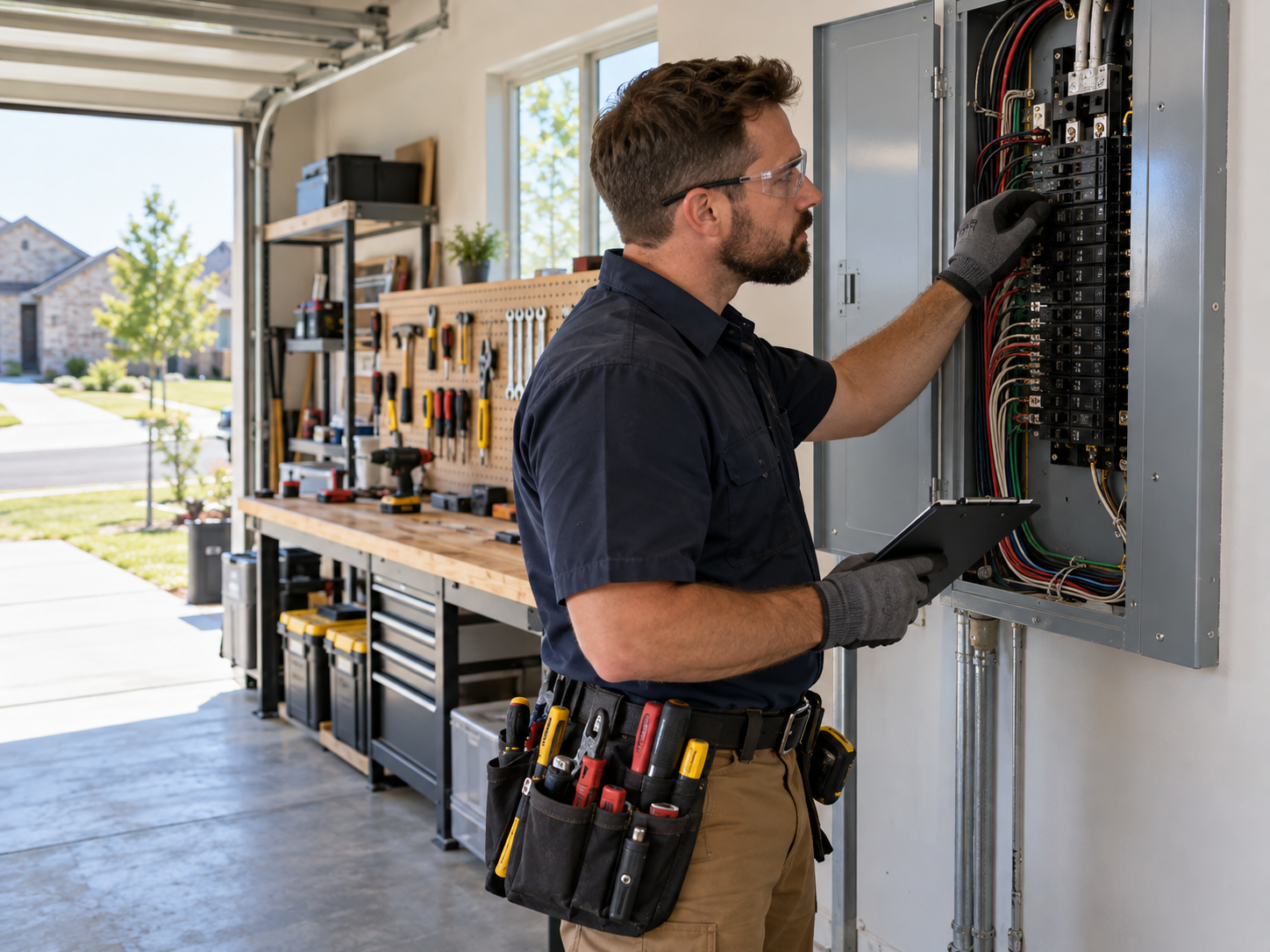
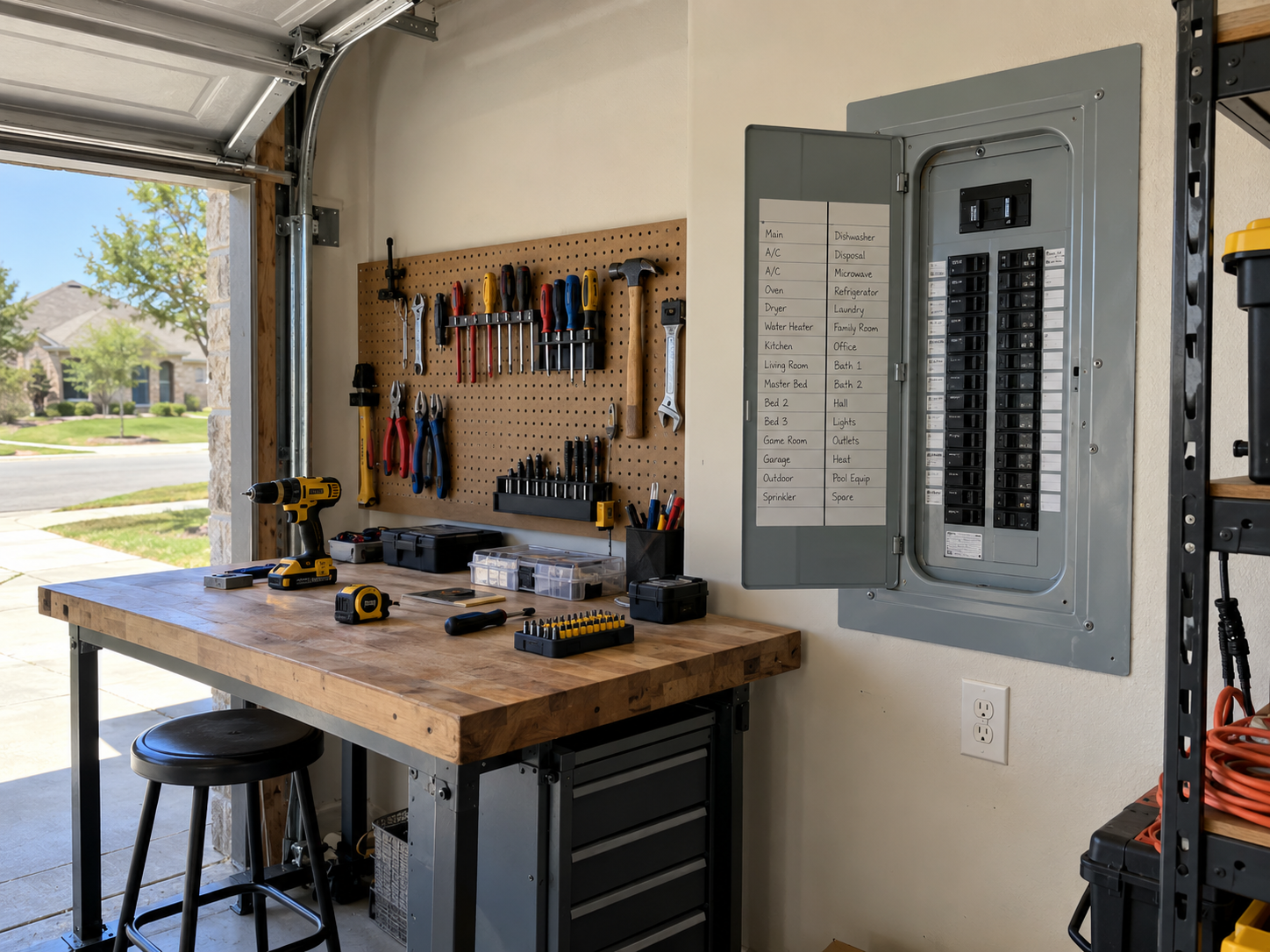
Your electrical panel is the beating heart of your house. It connects the external power grid to your internal wiring. It takes the electricity provided by your utility company and distributes it safely to different circuits.
Every panel has a specific maximum capacity. This capacity is measured in amps. Older homes were often built with 100-amp panels. This was perfectly adequate decades ago. People had fewer televisions, smaller appliances, and no electric cars.
Modern homes require much more power. Today, building codes generally require 200-amp panels for new constructions. This higher capacity supports central air conditioning, large refrigerators, multiple computers, and smart home devices.
If your home still operates on a 100-amp system, you are likely near your maximum load. Adding a heavy appliance to a maxed-out system is dangerous. The main breaker will trip to prevent overheating. Upgrading to a higher capacity ensures safety and reliability.
Why EV Chargers Demand So Much Power
To understand why a panel upgrade might be necessary, you must understand charger types. There are two primary ways to charge an electric vehicle at home.
Level 1 Charging
Level 1 chargers use a standard 120-volt household outlet. These are the normal outlets you use for lamps and phone chargers. Level 1 charging is very slow. It usually adds about three to five miles of range per hour. It draws a low amount of continuous power. Most standard electrical panels can handle a Level 1 charger without any modifications. However, the slow speed is impractical for most daily drivers.
Level 2 Charging
Level 2 chargers are the standard choice for EV owners. They require a dedicated 240-volt circuit. This is the same type of power required by heavy appliances like electric dryers or ovens. A Level 2 charger can add 20 to 40 miles of range per hour.
These units typically draw between 30 and 60 amps of continuous power. Continuous power means the device runs at peak capacity for three or more hours. This massive, sustained load puts tremendous stress on your electrical panel.
Signs Your Panel Needs an Upgrade
You might not know the exact capacity of your panel. Fortunately, your house often gives you warning signs. If you experience any of the following issues, you should seek professional advice before buying an EV charger.
Frequent Breaker Trips
Circuit breakers are designed to fail safely. They trip and shut off power when a circuit overloads. If your breakers trip frequently, your system is already overwhelmed. Adding a car charger will only make the problem worse.
Flickering or Dimming Lights
Do your lights dim when the air conditioner kicks on? Does the microwave cause the kitchen lights to flicker? This indicates voltage drops across your system. It means your panel cannot supply enough steady power to multiple devices at once.
Heat and Buzzing Sounds
Go to your garage or utility room. Place your hand near your electrical panel. It should never feel hot to the touch. Listen closely to the metal box. You should not hear any buzzing or crackling noises. Heat and noise indicate loose connections or overloaded breakers. This is a severe fire hazard.
Age of the Home
If your Mansfield home was built before 1990, you likely have outdated equipment. Many older panels cannot safely support a 240-volt dedicated circuit for hours on end. Some discontinued panel brands are known to be active fire risks and require immediate replacement.
The Mansfield Context
Living in North Texas presents unique challenges for home electrical systems. Mansfield summers are notoriously brutal. During July and August, your central air conditioning unit runs almost non-stop.
Air conditioners pull a massive amount of electricity. If you plug in your electric vehicle at 5:00 PM on a 100-degree day, you are creating a massive spike in power demand. Your AC unit, your refrigerator, your oven, and your car will all draw power simultaneously.
If you have a 100-amp or 150-amp panel, this simultaneous draw will easily exceed your safe limit. Upgrading to a 200-amp panel provides the necessary headroom. It ensures you can cool your home, cook dinner, and charge your car without plunging your house into darkness.
Choosing Professional Electrical Services for Your Upgrade
You should never attempt DIY electrical panel work. The voltage entering your main service panel is lethal. Always hire licensed experts for heavy structural modifications.
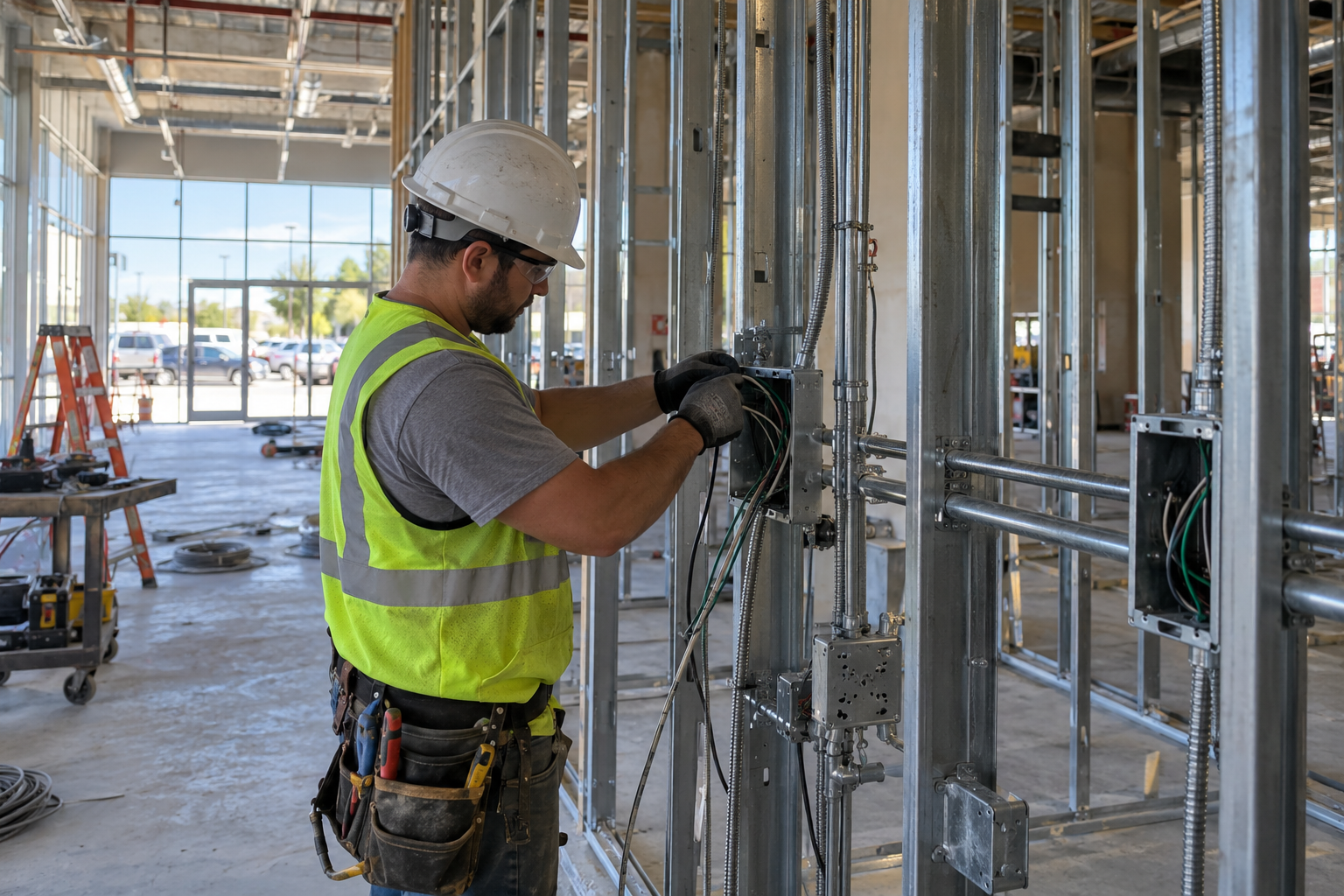
When you seek top-tier Electrical Services, look for certified and insured professionals. A master electrician will perform a strict load calculation on your home. This calculation determines exactly how much power your family uses.
The load calculation dictates whether you need a minor circuit addition or a complete panel replacement. A professional will also secure the correct city permits. Skipping the permitting process in Mansfield can result in heavy fines and complicate future home sales.
Partnering with a reliable company guarantees the work meets the National Electrical Code. When you choose AT Electric LLC for your project, you secure peace of mind. We handle everything from the initial load calculation to the final city inspection.
Panel Capacity Comparison
Understanding your upgrade options can be confusing. The table below outlines the differences between common panel capacities. It shows how each size handles modern electrical demands
| Panel Size | Suitable for Level 2 EV? | Average Home Size | Simultaneous Appliance Usage |
|---|---|---|---|
| 100-Amp | Rarely | Under 1,500 sq. ft. | Low (Standard appliances only) |
| 150-Amp | Sometimes | 1,500 - 2,500 sq. ft. | Moderate (AC + EV with caution) |
| 200-Amp | Yes, Highly Recommended | 2,500+ sq. ft. | High (AC, EV, Pool Pump, Electric Oven) |
| 400-Amp | Yes, Excellent | Large Custom Homes | Extreme (Multiple EVs, Luxury Amenities) |
The Upgrade and Installation Process
Upgrading your electrical panel is a major project. It requires coordination between your electrician and the local utility company. Here is exactly what you can expect during the process.
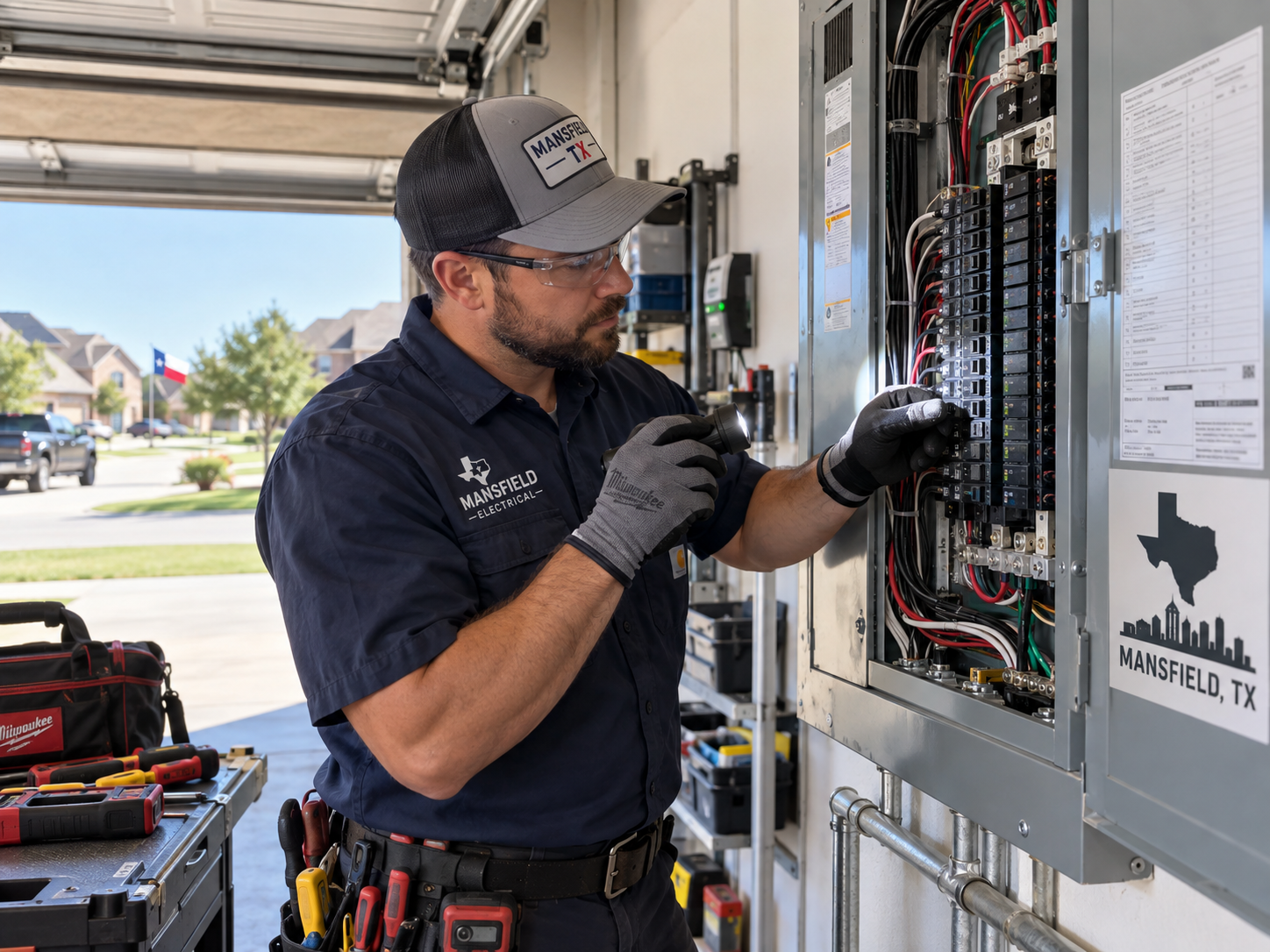
First, your electrician evaluates your current system. They inspect the physical condition of the wires and the structural integrity of the box. Next, they submit the necessary permit applications to the city.
On the day of the upgrade, the utility company must shut off power to your home. The electrician removes the old panel and the outdated breakers. They install the new, larger metal enclosure. They then wire the main service lines into the new system.
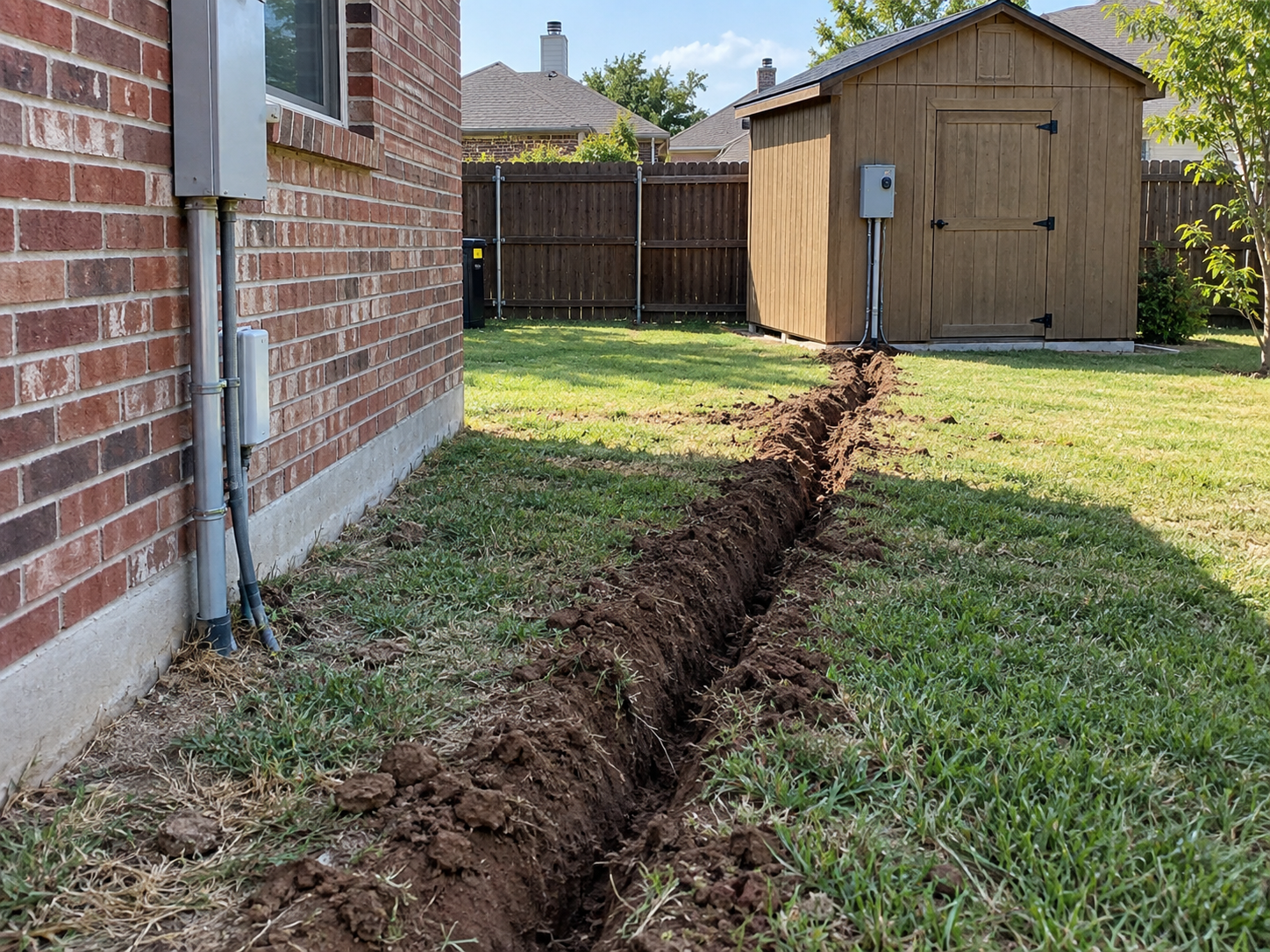
After the new panel is secured, they install new circuit breakers. They wire each specific home circuit into the appropriate breaker. At this stage, they will install the dedicated 240-volt circuit for your car.
Finally, the city inspector reviews the work. Once approved, the utility company restores power to your home. You are then ready to safely explore our professional EV charger installation solutions.
Protecting Your Investment
An electric vehicle is a significant financial investment. Your home is an even larger investment. Protecting both requires safe, stable, and reliable electricity.
Overloading an old panel places severe stress on your home wiring. Over time, this causes wire insulation to melt. Melted insulation leads to dangerous arcing inside your walls.
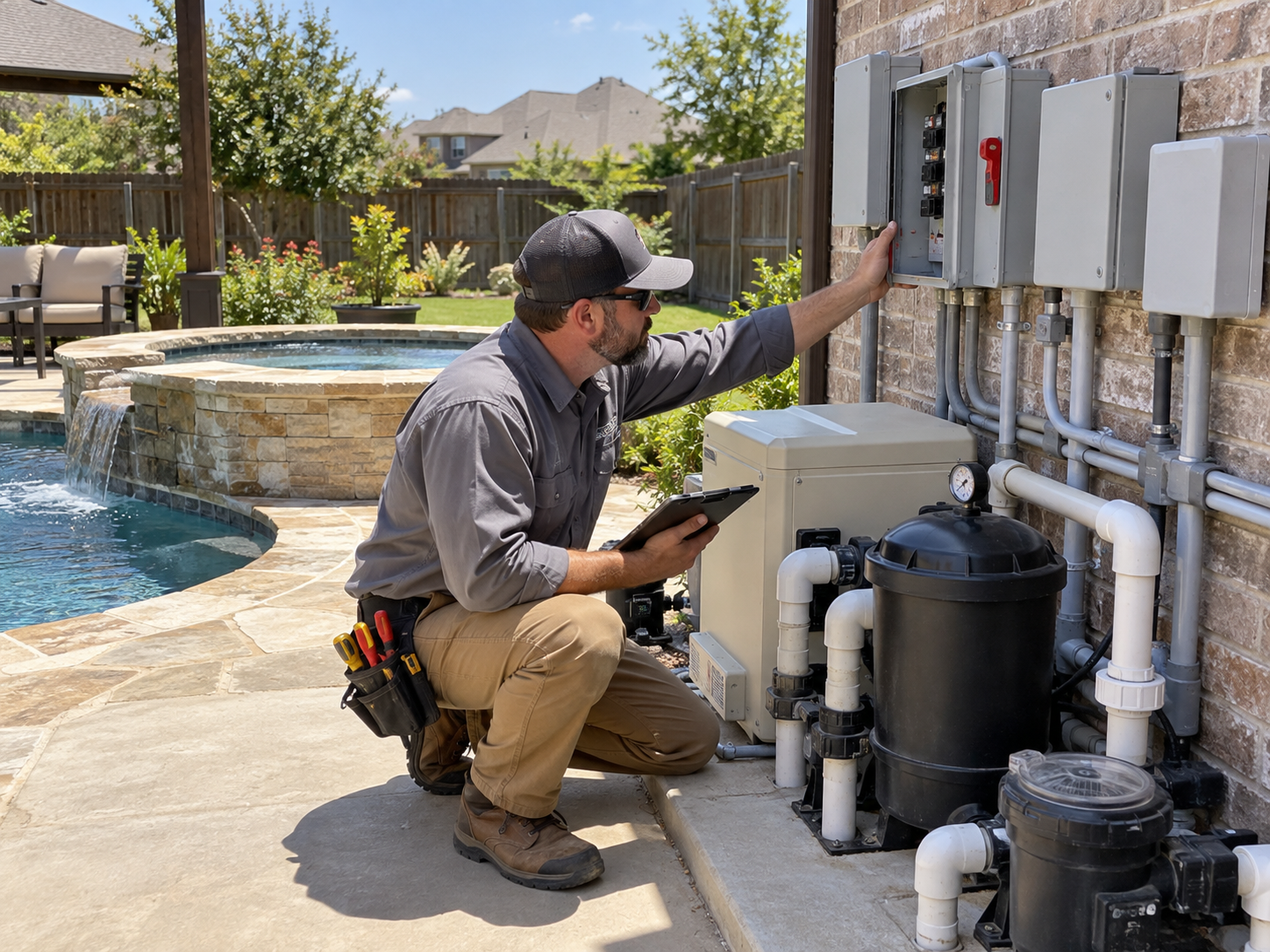
Investing in a panel upgrade removes these risks completely. It future-proofs your house. It allows you to add a hot tub, a heated pool, or even a second electric vehicle down the road. Furthermore, modern electrical panels increase the resale value of your property. Buyers actively look for homes that are ready for modern technology.
Taking the Next Step
Do not wait until your breaker trips constantly. Address your power needs before you bring your new car home. A proactive approach saves you time, frustration, and money.
Our team operates locally out of 7920 Rodeo Trl Ste 240 Mansfield, TX 76063. We understand the specific codes and climate demands of this region. Call us at +1 682 582-5500 to discuss your unique home setup.
You can also easily reach out via our contact page to schedule a comprehensive load calculation. We will give you an honest, transparent assessment of your current infrastructure.
Getting your home ready for an electric vehicle should be simple. Let the professionals handle the heavy technical details. Enjoy the convenience of waking up every morning with a fully charged vehicle.
Frequently Asked Questions
How long does a panel upgrade take to complete?
A standard panel upgrade usually takes a single day. The power to your home will be shut off for roughly four to eight hours. The exact timeline depends on the complexity of your wiring and utility company scheduling.
Can I just use a Level 1 charger and avoid upgrading?
Yes. You can use a standard wall outlet for Level 1 charging. This draws very little power and rarely requires an upgrade. However, it takes a very long time to charge. Most EV owners eventually find Level 1 charging too slow for daily commuting.
Do I need a permit for electrical work in Mansfield?
Yes. Upgrading an electrical panel and installing a dedicated 240-volt circuit requires a municipal permit. Proper permitting ensures the work meets strict safety standards. Your licensed electrician will handle the permit application process for you.